
Last updated November 14, 2026
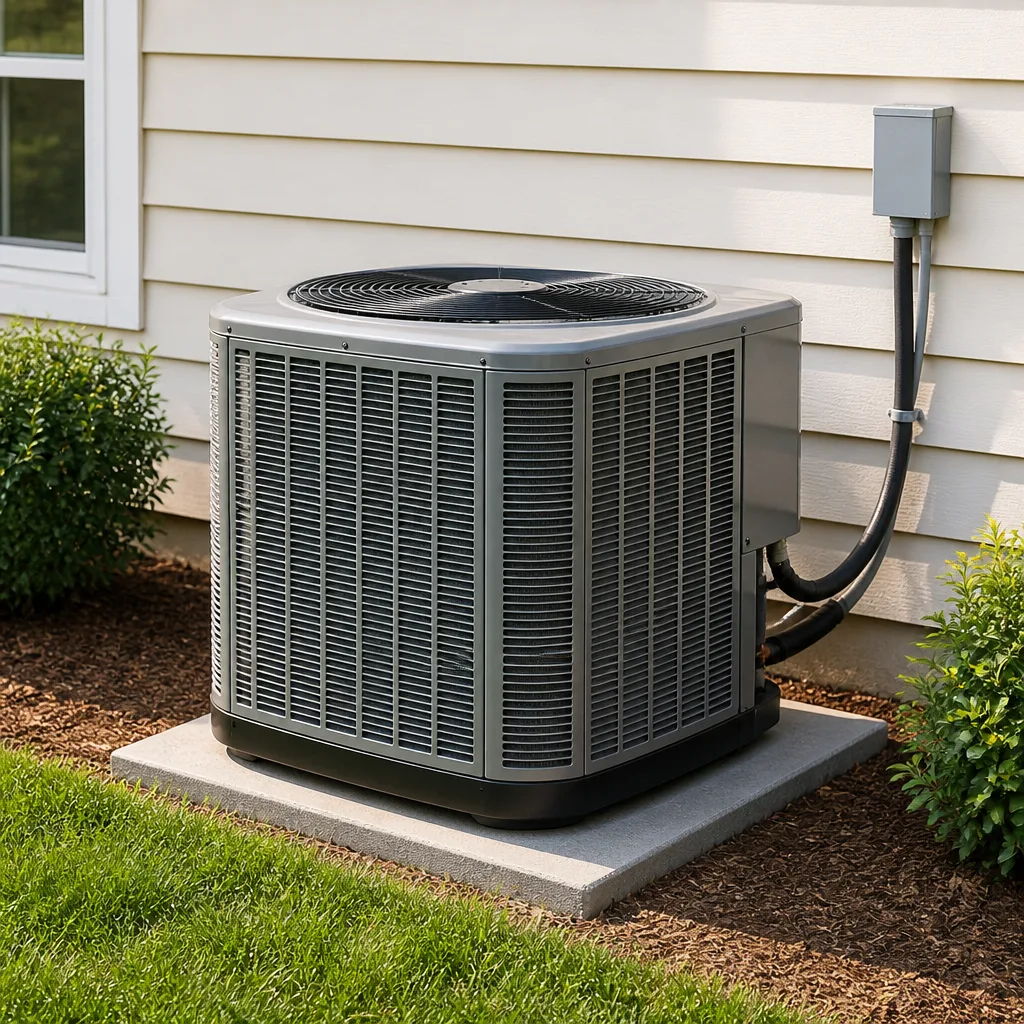 AC repair
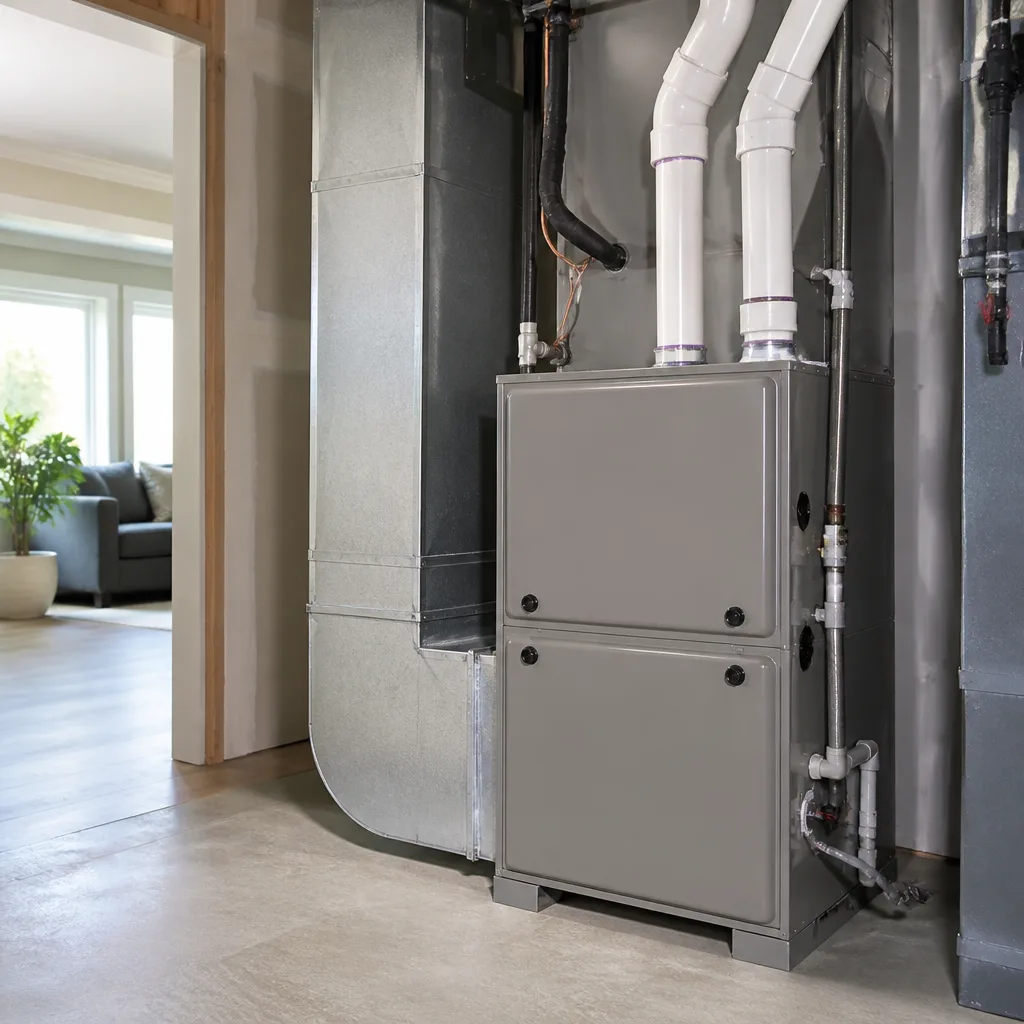 Furnace & heating
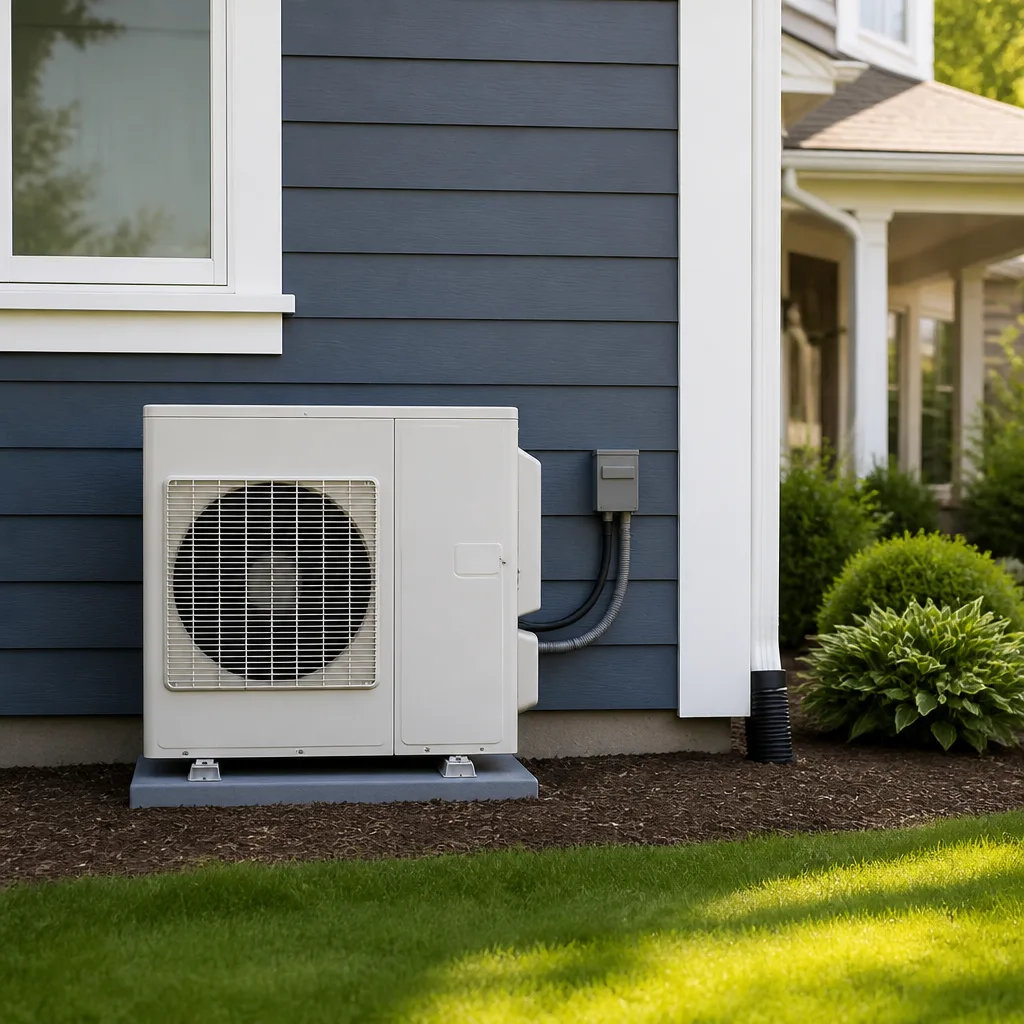 Heat pumps
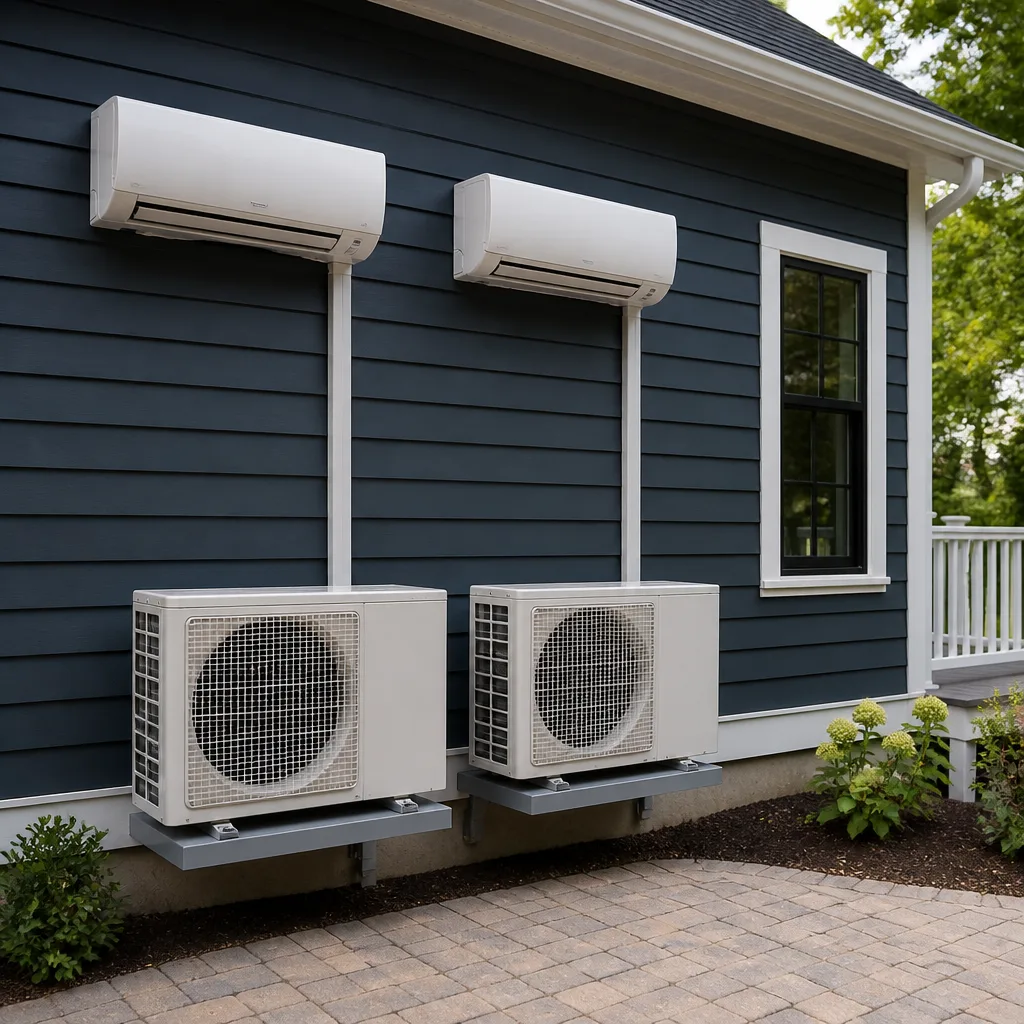 Ductless mini splits
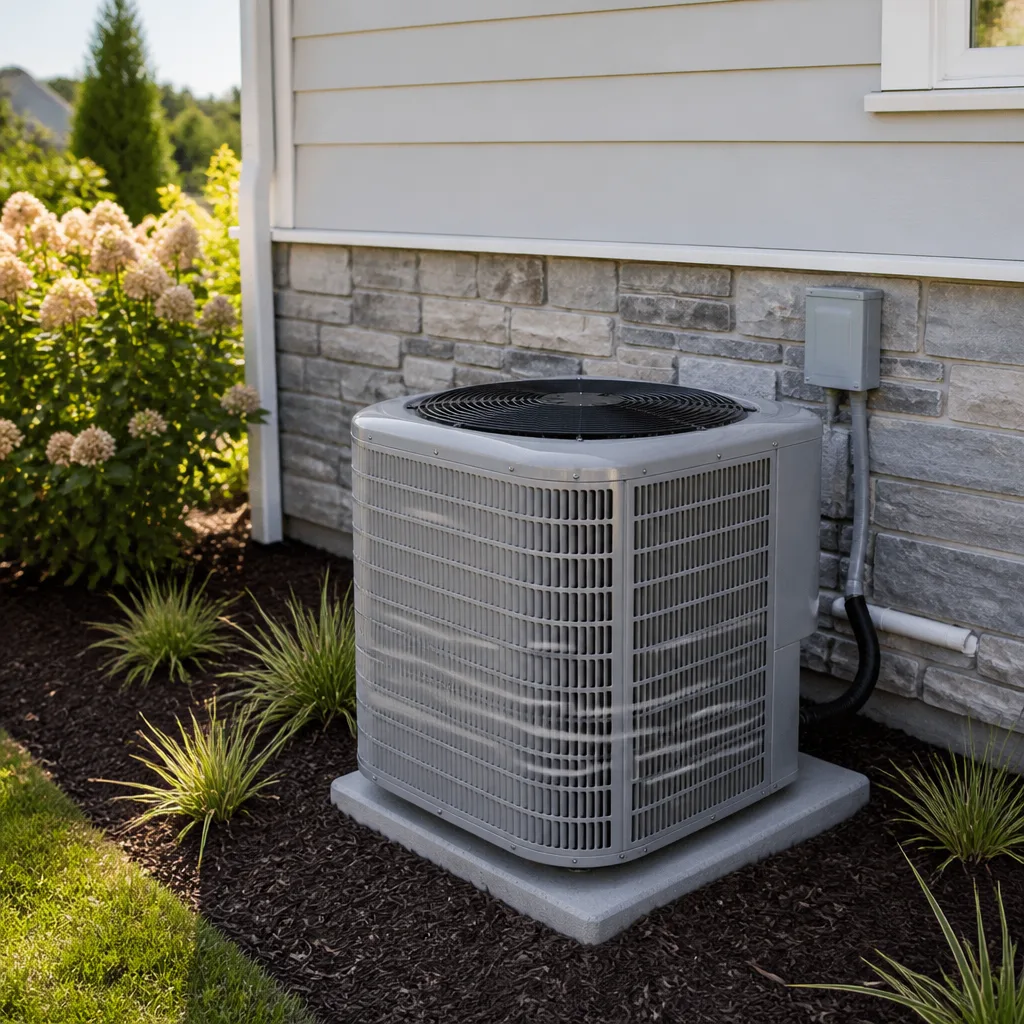 Carrier
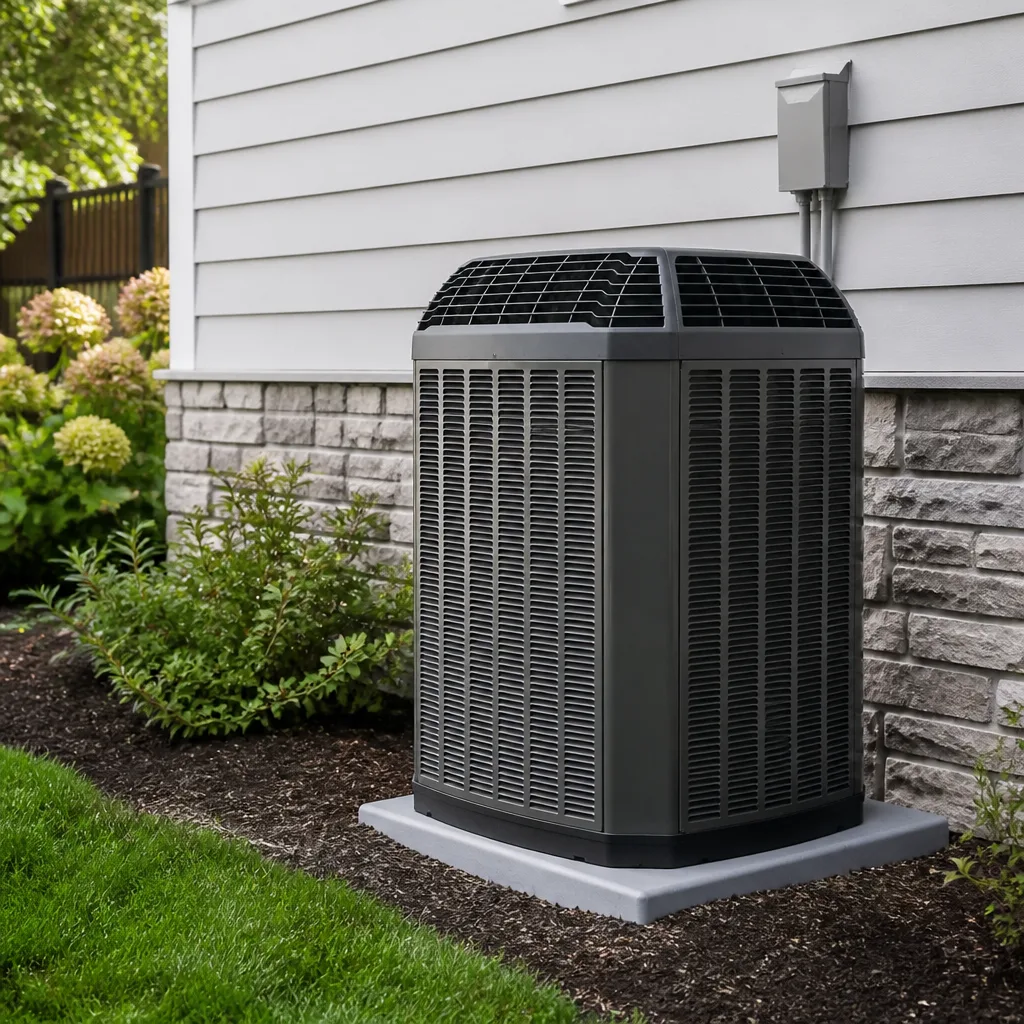 Trane
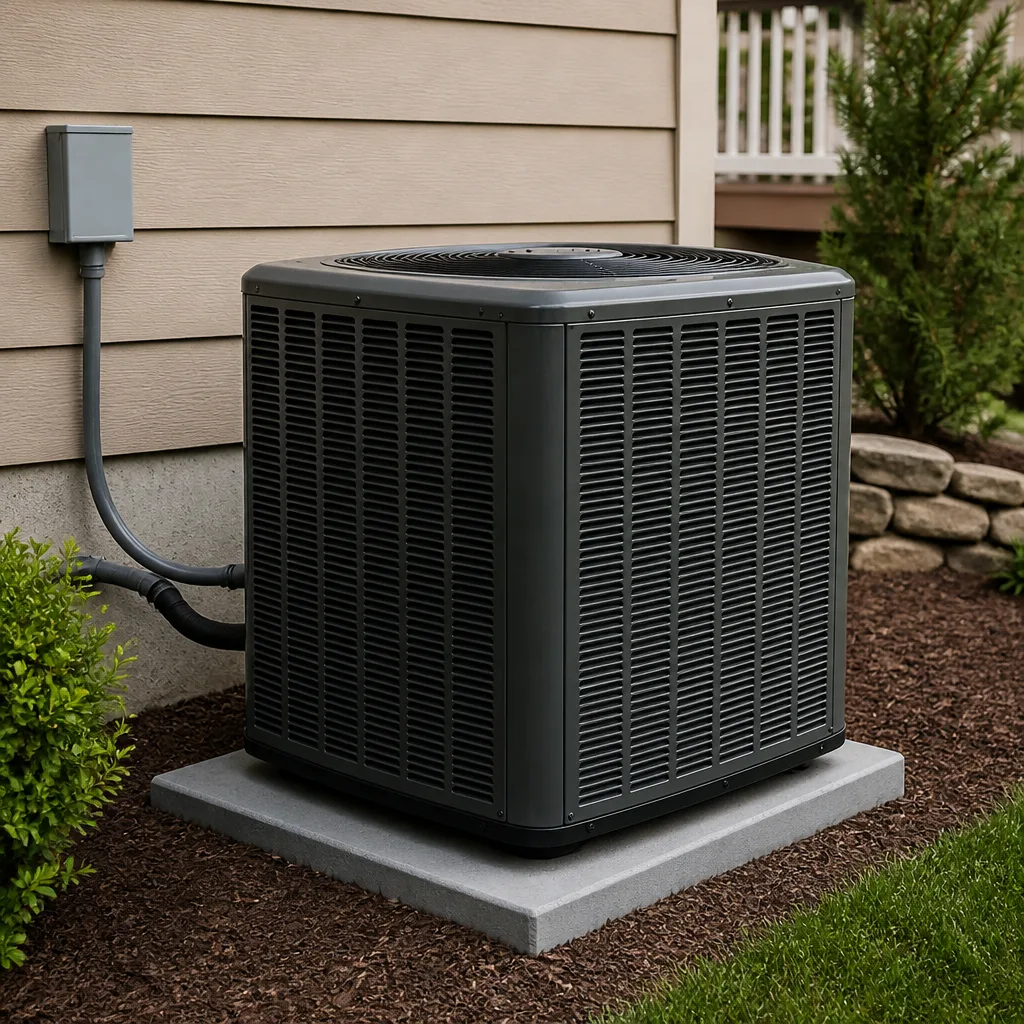 Goodman
Seasonal tune-up and full diagnostic on your Carrier, Trane, or Goodman system - readings shown to you before any repair is proposed
Diagnosis first, numbers second - you approve the repair price before a single part goes in.
Get your free estimateAC Repair Maintenance Checklist for Downey Homeowners
The number-one reason Downey AC units fail in July isn’t lack of maintenance. It’s the wrong maintenance done on the wrong schedule, based on advice written for climates that don’t get 95°F afternoons followed by humid overnight lows. A checklist built for a four-season climate tells you to winterize in October and forget about it. Here, the equipment keeps working through months of dust events and marine air, and the parts that fail quietly are the drain line, the coil, and the capacitor, not the things most guides obsess over.
What follows is a month-by-month checklist calibrated to Downey’s actual seasons: sand infiltration from Santa Ana events, condenser coil corrosion from the marine layer, hard water scale in the condensate drain, and filter intervals based on where you live relative to the 710/105 corridor. You’ll also find the brand-specific quirks we’ve seen on Trane, Lennox, Goodman, and Rheem systems, and clear lines on what to handle yourself versus what to leave to a technician.
Quick Answer
Downey AC maintenance should be scheduled around, not against, the local climate: filter changes every 30 to 90 days depending on occupancy and freeway proximity, a condensate drain flush every 60 to 90 days to fight hard water scale, condenser coil inspection after every major Santa Ana wind event, and a professional tune-up in spring before the first 95°F week. The tasks most guides skip – drain line scale, coil sand film, and capacitor drift – are the ones that actually cause July failures in Downey.
Styles & brands we work with
- AC repair
- Furnace & heating
- Heat pumps
- Ductless mini splits
- Carrier
- Trane
- Goodman
Table of Contents
- Why Downey’s Climate Changes the Checklist
- The Month-by-Month Maintenance Calendar for Downey
- Condensate Drain Lines: The Hard Water Problem Nobody Warns You About
- Condenser Coil Inspection After Santa Ana Wind Events
- Filter Replacement Intervals for Downey Homes
- Brand-Specific Maintenance: Trane, Lennox, Goodman, and Rheem
- What You Can Check Yourself vs. What Needs a Technician
- How We Approach AC repair in Downey
Why Downey’s Climate Changes the Checklist
Most AC maintenance checklists circulating online were written for climates with four distinct seasons and a long dormant winter. Downey doesn’t have that. The equipment runs hard from late spring through October, gets a breather in the cooler months, and never truly goes into hibernation. That changes which parts wear out first and when.
Three local conditions drive the differences:
- Santa Ana wind events. These dry, gusty events push fine sand and dust through the outdoor condenser coil, coating the fins and reducing heat rejection. A coil that runs a film of grit is a coil that runs hotter, draws more current, and shortens compressor life. The failure doesn’t happen on the windy day. It happens three weeks later when the system can’t keep up.
- Marine layer humidity. Downey sits close enough to the coast that overnight relative humidity climbs well above what you’d expect for a Southern California inland suburb. That moisture combines with dust on the coil to form a crust that is far harder to remove than dry dust alone.
- LA County hard water. The water supply in this part of the county is mineral-rich. When condensate drains slowly through a PVC line, those minerals precipitate out and form scale on the inside wall. Over a couple of seasons the line narrows, then clogs, then overflows. Water damage from a clogged condensate line is one of the most common service calls we see in Downey, and it’s the easiest to prevent.
The rest of this guide builds the checklist around those three realities, not around a generic four-season template.
The Month-by-Month Maintenance Calendar for Downey
A checklist is only useful if it tells you what to do and when. Here’s the calendar we recommend for Downey homeowners, organized by when the local climate actually shifts.
January through March: Post-Winter Check and Prep
- Inspect the outdoor condenser for debris, leaves, and accumulated grit from the previous cooling season.
- Check the air filter. Even in low-use months, dust accumulates.
- Look at the condensate drain pan under the indoor unit. Any standing water or rust means the line is already restricted.
- Schedule a professional spring tune-up before the first warm week. Demand spikes the moment the first 90°F day hits, and the calendar fills up accordingly.
April through June: Pre-Season Professional Service
- Have the system professionally inspected: refrigerant charge verified, electrical connections checked, capacitor tested, blower cleaned, condensate line flushed.
- Replace the filter before the first heavy-use month.
- Run the system for 20 minutes on a warm afternoon to confirm it cycles normally before you actually need it.
- Note the outdoor temperature and indoor thermostat reading to establish a baseline. If the system later struggles, you have something to compare against.
July through September: Peak Season Monitoring
- Replace the filter every 30 to 60 days if you’re within a half-mile of the 710 or 105 freeway, or if you have pets. Every 60 to 90 days in cleaner inland spots.
- Check the condensate drain weekly during heavy use. If it drains slowly or the pan has standing water, flush it.
- Feel the air coming out of the supply registers. It should be noticeably colder than room temperature. If it feels merely cool or lukewarm, the system is struggling and worth a professional look.
- Listen for short-cycling. A system that kicks on and off every few minutes is usually a sign of a failing capacitor or a low refrigerant charge, not normal cycling.
October through December: Post-Season Assessment
- After the first Santa Ana event of the fall, inspect the condenser coil for grit buildup. Clean it or call for a professional coil cleaning if the fins are visibly crusted.
- Flush the condensate drain one more time before winter, so scale doesn’t sit and harden through the cooler months.
- Note any performance issues from the summer – warm spots in certain rooms, slow cooling, higher utility bills – and record them for discussion at the spring tune-up.
- If you have a furnace, this is the time to schedule heating maintenance so it’s ready before you need it. One call covers both sides of the system.
Year-Round
Keep the area around the outdoor unit clear of debris, plants, and stored items. The condenser needs airflow. A unit boxed in by patio furniture or hedges is a unit that runs hotter than it should, all year.
Condensate Drain Lines: The Hard Water Problem Nobody Warns You About
If you only do one thing differently this year, make it this: check your condensate drain line on a fixed schedule. In most climates the line either works or it doesn’t. In Downey, LA County’s hard water means the line is slowly narrowing with mineral scale even when it appears to be working fine.
Understanding the failure is the key. When your AC runs, the evaporator coil condenses moisture out of the air. That moisture drips into a collection pan and drains through a PVC pipe to the outside. If that water were pure, the pipe would stay clean indefinitely. But the water here carries dissolved calcium and magnesium from the municipal supply. As it evaporates at the drain pan and along the pipe wall, those minerals deposit as scale. The scale builds up slowly, the drain slows, standing water sits in the pan, and eventually it backs up into the air handler or the ceiling.
What you can do to inspect and flush the line:
- Locate the drain line. It’s usually a PVC pipe exiting the indoor unit and running to the outside of the house or to a floor drain.
- Look at the drain pan under the indoor coil. Standing water, slime, or a white crusty ring on the pan means the line is already partially blocked.
- Check the outside end of the drain. If it’s dry while the AC is running, the line isn’t draining.
- For a routine flush, a shop vac at the outside end of the line will pull scale and slime out. Never use compressed air or a plumber’s snake on a condensate line – you’ll crack the PVC or damage the pan.
What you should not do is clean the drain pan inside the air handler with bleach or aggressive chemicals. These corrode the pan and the coil fins. It’s fine to use a small amount of vinegar or a specialized pan treatment if you know what you’re doing, but anything more goes to a technician.
How often to flush? Every 60 to 90 days during heavy use, and one extra time in the fall before the system slows down. Homes with older, thinner PVC lines, or lines that run long distances through the attic, should be flushed more often. A long horizontal run gives scale more places to settle.
Condenser Coil Inspection After Santa Ana Wind Events
A Santa Ana event lasts a day or two, but its effect on your condenser coil lasts for weeks. Here’s how to assess the damage and when to call versus clean yourself.
After any significant wind event – the kind that fills the air with fine dust and you can taste it – go look at the outdoor unit. The condenser is the boxy unit with a fan on top. The coil is the finned panel wrapped around the sides. If you can see visible dust or grit on the fins, you have a problem worth addressing.
What to look for
- Uniform dust film on the fins. Clean this yourself with a garden hose on a gentle spray, running water from the inside out. Never use a pressure washer – you’ll flatten the fins.
- Crusted grit combined with debris. Leaves and cottonwood fluff caught in the coil mean the coil is already compromised. A shop vac with a soft brush, followed by gentle rinsing, handles minor debris.
- Bent or flattened fins on the outer surface. Wind-borne grit can bend the aluminum fins, blocking airflow. This is a technician job – fin combs are specialized tools and the coil is easy to damage if you don’t have practice.
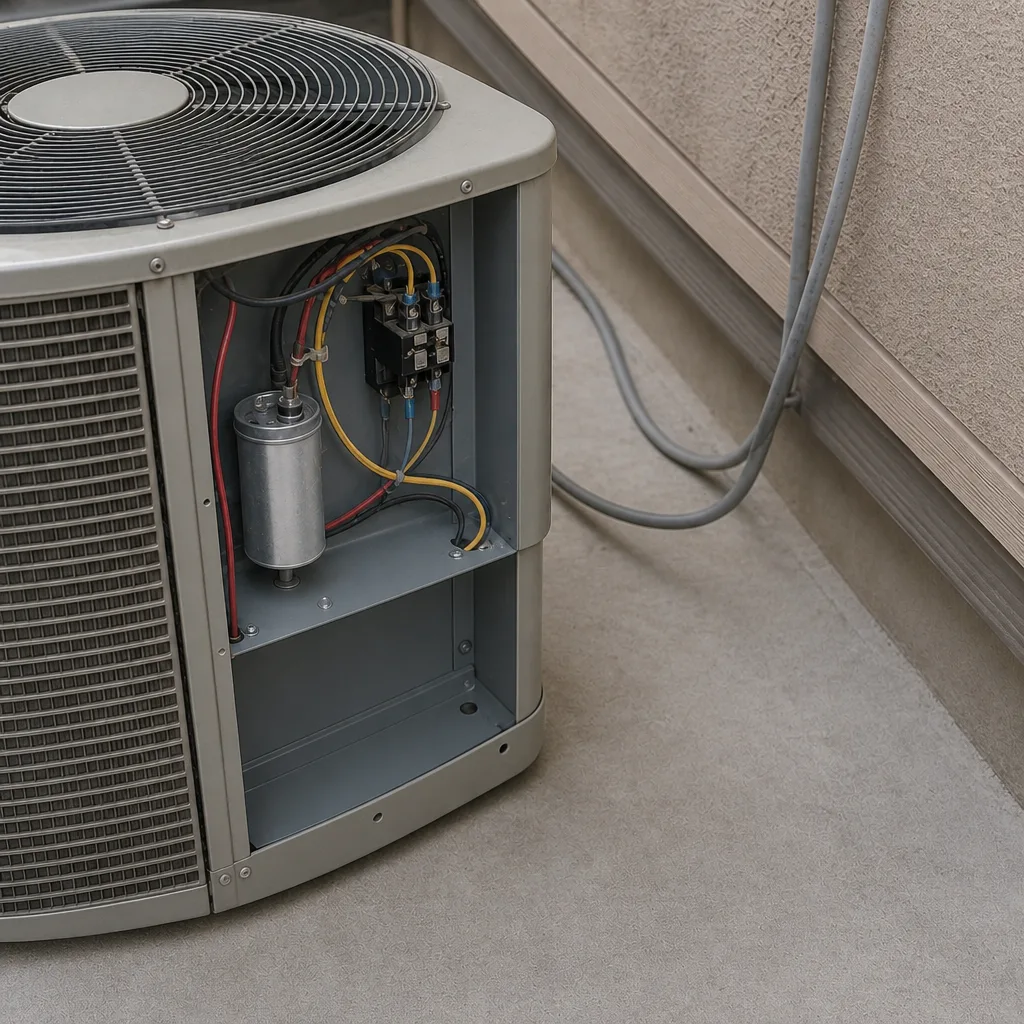
- Grit blown inside the cabinet – into the contactor, capacitor, or compressor area. This requires opening the unit, which involves the high-voltage electrical side and a sealed refrigerant side. Leave it to a technician.
When to call a professional
Call a technician if the coil is visibly crusted with hardened grit, if the unit is short-cycling after the wind event, if the outdoor unit is unusually hot to the touch, or if it’s been more than two years since the coil was professionally cleaned. Sand and dust that has hardened into the coil can’t be removed with a garden hose; it takes a specialized coil cleaner.
Homes near the 710 and 105 freeways get grit buildup faster because road dust is a larger contributor than wind-blown sand. If your downwind neighbors have been watching dust settle on their cars after a Santa Ana event, your condenser was probably settling some of it too. For Downey homeowners in that corridor, coil inspection should happen after every significant wind event, not just once a year. Our AC repair technicians can handle coil cleaning during a routine service call.
Filter Replacement Intervals for Downey Homes
Filter changes are the most repeated piece of AC advice online, and the least useful because nobody tells you that “every three months” is a template that doesn’t fit every home. In Downey, the right interval depends on where you live, how many people and pets share the space, and what kind of filter you have.
Here’s how we think about it:
- Freeway proximity. Homes within a half-mile of the 710 or 105 see more airborne particulate from road dust and diesel soot. If you’re in that zone, plan on 30-day filter changes during peak cooling season. Homes farther from the corridors can stretch to 60 days.
- Occupancy. Each occupant sheds skin cells and pet dander, and a full house loads the filter faster. Two people and no pets might be reasonable at 90 days. Four people and a dog means 30 to 45 days.
- Pets. A single dog or cat roughly doubles the filter load. Two pets means cutting your interval in half.
- Filter type. Standard 1-inch fiberglass filters are the weakest option and load fastest. Pleated MERV 8 filters are the sweet spot for most homes. Thick media filters or MERV 13 filters load more slowly but restrict airflow more, and many older Downey systems aren’t designed for the pressure drop of a high-MERV filter. Instead of an upgrade, they need a standard filter changed more regularly.
- Construction nearby. If there’s active construction on your block, treat the filter like it’s in a dust storm: check monthly.
A simple method: hold the filter up to a light. If you can’t see clearly through it, it’s time. Write the date on the frame with a marker so you know when you last changed it. A filter that’s too dirty cuts airflow, strains the blower, and causes the coil to freeze up in humid weather – which is a much more expensive problem than a filter.
One thing that surprises people: high-MERV filters can cause problems in Downey homes because they block airflow enough that the system runs longer and the coil gets less air across it. If you’ve been sold a MERV 13 filter for a 20-year-old system, ask whether your ductwork can support it. Not every filter upgrade is an upgrade.
Brand-Specific Maintenance: Trane, Lennox, Goodman, and Rheem
A checklist only helps if it accounts for the specific equipment in your home. We service nine major brands – Carrier, Trane, Lennox, Goodman, Rheem, York, Daikin, Bryant, and American Standard – and the maintenance priorities differ from one to the next. Here are a few practical quirks we’ve seen on the four most common in Downey homes.
Rheem
Rheem condensate pans are molded plastic and tend to develop small cracks along the seam if they sit with standing water. Older Rheem units also have a drain pan that’s shallow enough that a slow drain will overflow faster than on deeper-pan brands. If your home has a Rheem, checking the pan every two months during cooling season is worth the five minutes. Many Rheem systems also have the drain line exiting at a specific angle – if the PVC run has been retrofitted, check that the line drains with no flat spots.
Trane
Trane indoor coils are generally well-built but the drain pan drain fitting on some models sits slightly recessed, which traps scale right at the outlet. That’s a specific spot to check and flush more aggressively. Trane outdoor units are often cabinet-sealed tightly, which is good for efficiency but means that once dust gets inside, it stays. Post-Santa Ana coil cleaning matters more on these units.
Lennox
Lennox units from certain production years use a floating piston metering device that is sensitive to refrigerant charge, so annual charge verification matters. A small undercharge will show up as poor cooling in midsummer, not as a hard failure. On Lennox systems, “it’s cooling but not quite enough” is worth checking before the peak weeks, not during them.
Goodman
Goodman systems are common in Downey’s starter homes and rental properties, and many have the original condensate drain pan and lines from install. These are the pans most likely to be shallow and most prone to scale from the local water. A Goodman unit that’s been in place for more than a decade should have its drain line inspected, not just flushed – scale can harden enough that a shop vac won’t clear it, and the line has to be replaced.
The point isn’t that one brand is better than another. It’s that a contractor who arrives not knowing what they’re looking at wastes time and charges you for the learning curve. The team at AC Repair Downey has up to 12 years of experience across all nine brands, and we know what to look for on each.
What You Can Check Yourself vs. What Needs a Technician
A lot of AC maintenance is homeowner-level work, and doing it well saves you money. But some tasks involve the parts of the system where a mistake leads to refrigerant loss, electrical shock, or a coil that costs more to fix than a service call. Here’s the split.
Tasks a homeowner can safely handle
- Replacing air filters on a fixed schedule
- Cleaning visible debris from around the outdoor unit
- Rinsing surface dust off the condenser coil with a garden hose (gentle spray, inside out)
- Flushing the condensate drain line with a shop vac at the outside discharge
- Checking the drain pan for standing water
- Recording thermostat and register temperatures
- Keeping the outdoor unit’s clearance to plants and stored items
Tasks that need a licensed technician
- Opening the condenser cabinet – the high-voltage capacitor and contactor are inside, and the capacitor can hold a dangerous charge even after power is shut off
- Anything involving refrigerant: checking charge, adding refrigerant, repairing lines
- Cleaning the indoor evaporator coil – the coil fins are easy to bend, and water in the air handler can damage electronics
- Replacing or repairing a condensate drain pan – involves disconnecting the coil
- Anything with the electrical circuit feeding the unit, including the disconnect box
- Diagnosing a short-cycling system or one that won’t start
A word on the capacitor, since it’s the part most likely to fail in Downey summers: it sits inside the outdoor unit and holds enough charge to stop your heart even after the breaker is off. Do not open the condenser cabinet if you don’t know how to safely discharge it. That’s not a job for a YouTube video.
How We Approach AC repair in Downey
We’re an HVAC company that does three things: AC repair, AC installation, and furnace repair. That focus is deliberate. Every technician who shows up at a Downey home is an HVAC specialist first, not a general handyman doing HVAC as a side gig. If the system in your house is a Trane, a Lennox, a Goodman, or a Rheem – or any of the nine brands we service – the technician is familiar with it before they arrive.
When you call for service, here’s what we ask and what to have ready:
- The brand and approximate age of the system if you know it.
- The symptoms: not cooling, not turning on, short-cycling, water leaking, odd smells.
- Whether it’s the cooling or heating side you’re worried about – or both, since a split system can have issues on either half.
- Where the outdoor unit sits and any recent weather events that might be relevant.
We work with your situation. If the system is repairable, we fix what’s actually failing and tell you what to watch. If it’s reached the end of its service life, we lay out the options, including AC installation for a new system, and tell you honestly which makes sense. There’s no push toward one brand or another, because we service all nine – the recommendation is based on your house, not on what we’re trying to move off a shelf.
And because we handle furnaces too, a call about a failing AC is also an opportunity to have someone look at the heating side while they’re already there. One appointment, both halves of the system assessed. If you’ve been putting off a furnace repair because calling a second contractor is a hassle, it isn’t with us.
If you want a free estimate for your system, call (855) 677-0314 and we’ll book a visit.
Common Mistakes to Avoid
We see the same maintenance mistakes repeatedly in Downey homes. Here are seven to look out for:
- Following a four-season checklist. Winterizing in October is advice from a climate that doesn’t apply here. Your equipment keeps running through November and often into December. Plan around cooling-season use, not around a calendar that assumes a dormant winter.
- Ignoring the condensate drain until it overflows. Hard water scale builds quietly. The first sign most homeowners get is water on the ceiling. Flush the line every 60 to 90 days and you never see the first sign.
- Using a pressure washer on the condenser coil. It looks like a quick way to remove grit, but it flattens the aluminum fins, which restricts airflow permanently. A garden hose on a gentle spray is all that’s needed for the surface dust. Anything more hardened gets a technician’s coil cleaner.
- Upgrading to a high-MERV filter without checking the system. A thicker filter is a filter that blocks more air, and a unit that can’t move enough air freezes the coil. Many Downey homes have older ductwork that wasn’t sized for MERV 13 filters. If in doubt, use a standard pleated filter and change it more often.
- Skipping the professional tune-up because the system “seems fine.” The failures that show up first in a July heat wave – weak capacitors, low refrigerant charge, restricted coils – don’t show symptoms until the load is heavy. By then the fix costs more, and sometimes it costs a compressor.
- Forgetting the outdoor unit after a Santa Ana event. Grit that settles into the coil doesn’t go away on its own. If you don’t remove it, the compressor works harder through the rest of the season, and the price of that is paid later.
- Letting a small leak keep running. A drip from the condensate line inside the air handler or from the pan isn’t just annoying. It’s a sign the drain is partially blocked or the pan is cracked, and it’ll do real damage if left. That’s a professional repair, not something to monitor.
See the difference
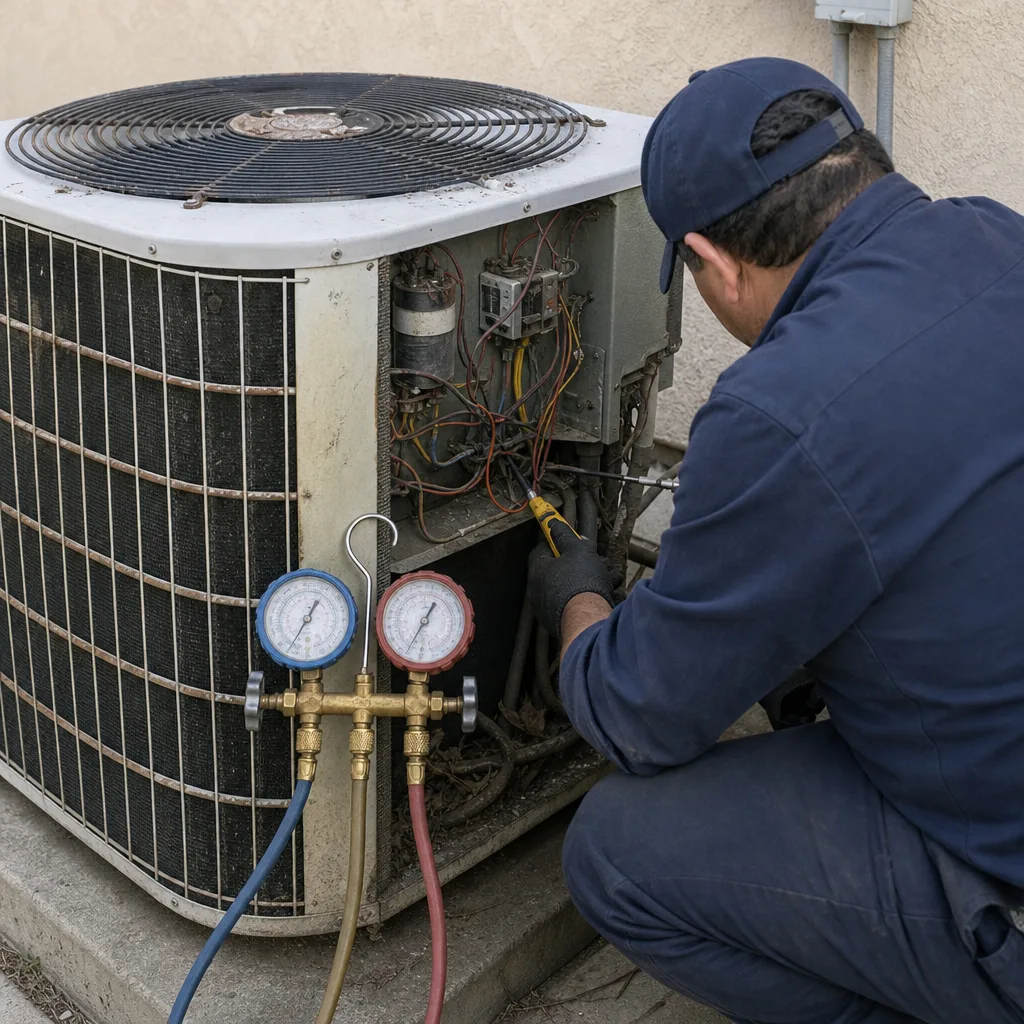 Before
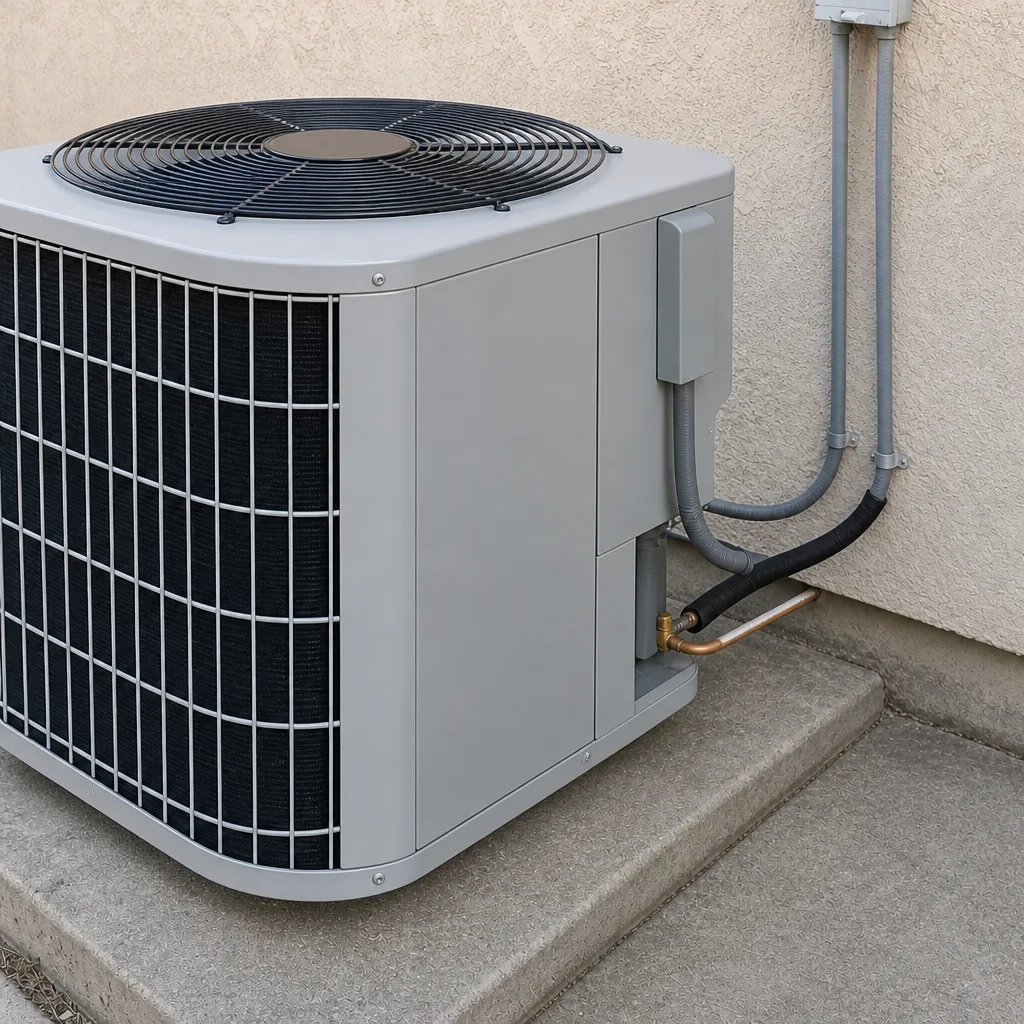 After
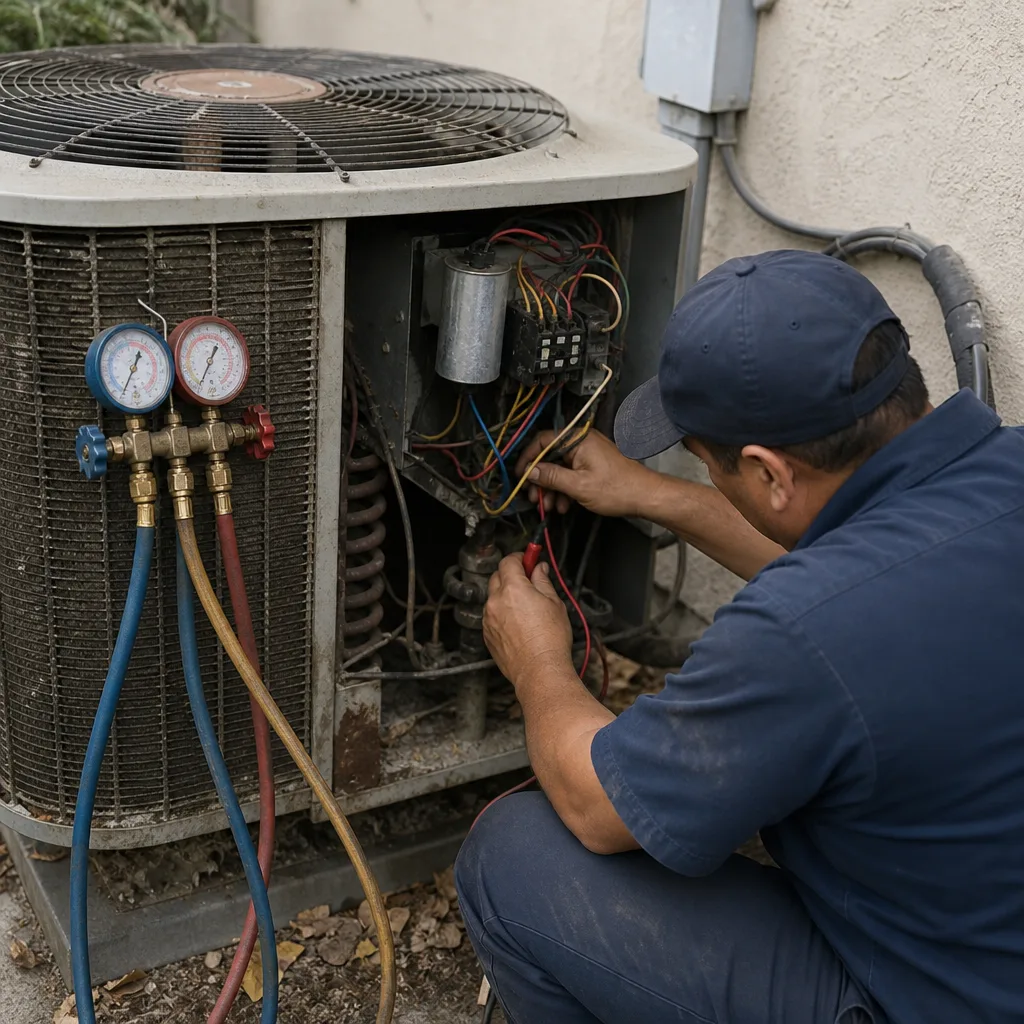 Before
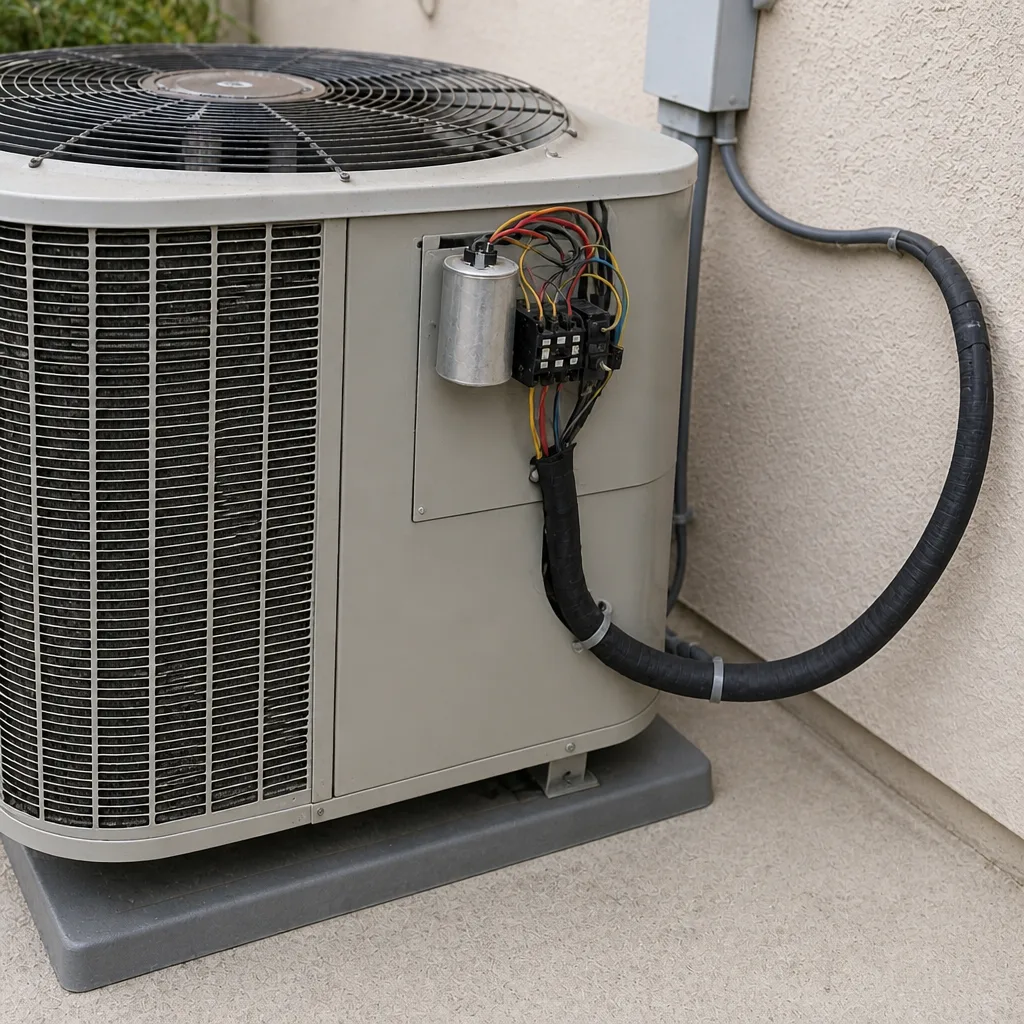 After
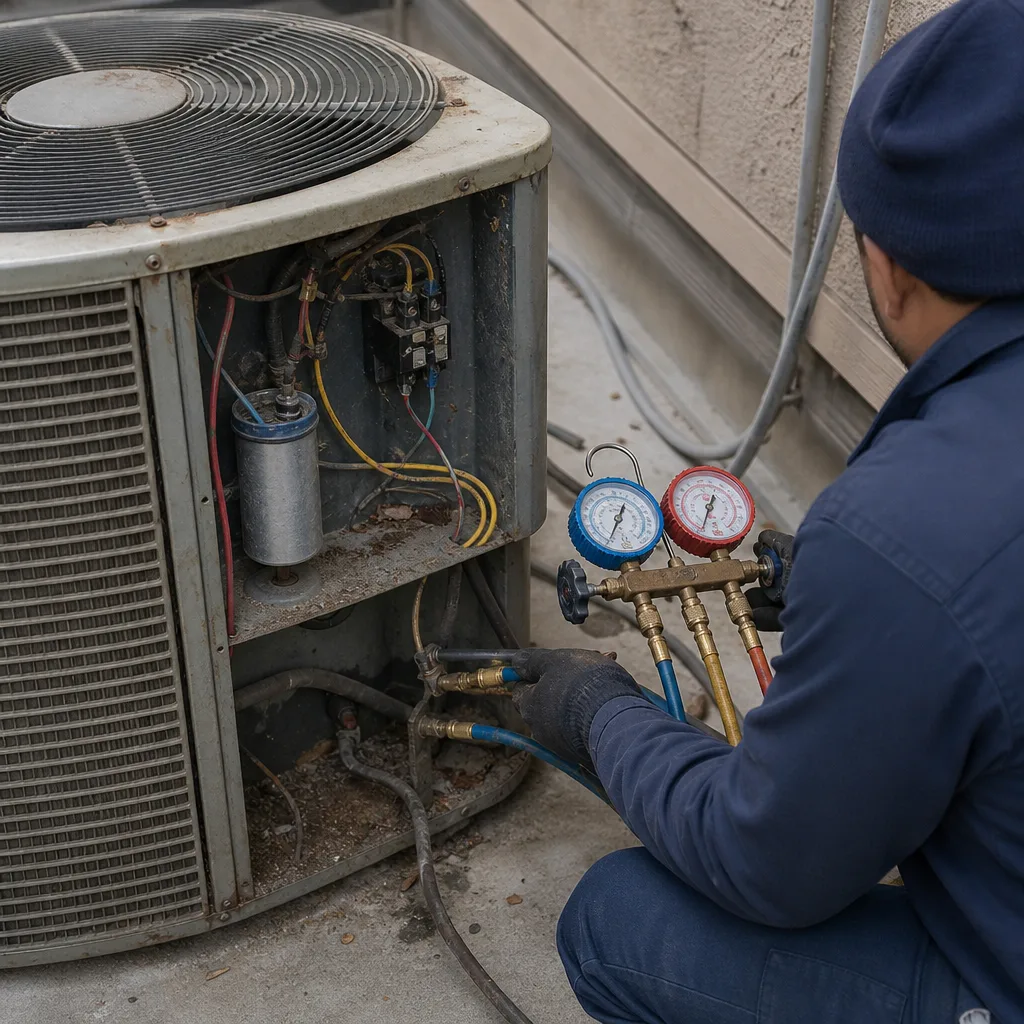 Before
 After
When to Call a Professional
Some things you can handle. Some you shouldn’t. Call us if the system has stopped cooling completely, if it’s short-cycling, if there’s water pooling around the indoor unit or dripping from a ceiling, if the outdoor unit is unusually hot to the touch, if you smell burning plastic or musty odors from the vents, or if it’s been more than a year since the last professional service. Also call if the system cooled fine last summer and this summer it doesn’t – that pattern almost always points to a charge issue, a capacitor that’s drifted, or a coil that’s loaded with grit and needs a proper cleaning.
We answer 24/7. Fast dispatch from 7am to 7pm, Sunday through Friday. AC Repair Downey offers free estimates and clear written pricing on any repair we recommend. If it’s a repair you need, we can handle it. If it’s a replacement you’re facing, we’ll tell you that honestly too. Call AC Repair Downey at (855) 677-0314 to book a visit.
Frequently Asked Questions
Every 30 to 60 days during peak cooling season if you’re within a half-mile of the 710 or 105 freeway, have pets, or have more than two people in the home. Homes farther from the corridors and without pets can stretch to 60 to 90 days. Hold the filter up to the light – if you can’t see clearly through it, change it now. Call (855) 677-0314 for an exact quote on a professional tune-up or repair – estimates are free.
LA County’s water supply is rich in calcium and magnesium, and as the AC condenses moisture, those minerals deposit as scale on the inside of the PVC drain line. Over a couple of cooling seasons the line narrows enough to back up. Flushing it every 60 to 90 days during use keeps scale from forming. Call (855) 677-0314 if the line has stopped draining entirely – estimates are free.
For surface dust, yes – a garden hose on a gentle spray, directed from the inside out, removes light grit without damaging the fins. For hardened grit, crusted scale, or debris caught inside the cabinet, call a technician. A professional coil cleaning is the only safe way to remove what a hose can’t lift. Call (855) 677-0314 for a free estimate.
Once a year, ideally in spring before the first 95°F week, with a mid-summer check if the system runs hard or if you’re near the freeway corridors. Homes with older systems, or systems that had any performance issues the previous summer, benefit from a second visit in early fall. Call (855) 677-0314 – estimates are free, and we’ll tell you what your system actually needs.
Usually not. The most common causes – low refrigerant charge, a failing capacitor, or a coil coated with grit – all require refrigerant handling, electrical work, or specialized coil cleaning. Replacing the filter is worth trying first, but if a fresh filter doesn’t solve it, a professional diagnosis is the fastest path. Call (855) 677-0314. We answer 24/7. Fast dispatch from 7am to 7pm, Sunday through Friday.
Yes, in practice. Rheem condensate pans need more frequent inspection because shallow pans overflow sooner; Trane coils tend to trap grit in specific spots; Lennox units are sensitive to refrigerant charge and benefit from annual verification; Goodman systems often have older drain pans worth inspecting for replacement, not just flushing. Our technicians are familiar with all nine of the brands we service, and we work on the system you have. Call (855) 677-0314 for a free estimate – we’ll tell you what your brand actually needs.
The Bottom Line
The right AC maintenance checklist for Downey isn’t a four-season template. It’s built around Santa Ana grit, marine-layer humidity, hard water scale in the condensate line, and freeway proximity for filter intervals. The tasks that matter most are the ones most guides skip: flushing the drain line every 60 to 90 days, cleaning the coil after wind events, choosing filter intervals based on where you actually live, and getting a spring tune-up before the first heat wave, not after the first failure. Do those and your system runs through July without drama. Skip them, and you’ll meet us on the worst possible day. If you’d like a free estimate or a professional once-over before the season, call (855) 677-0314. We answer 24/7. Fast dispatch from 7am to 7pm, Sunday through Friday. Our team serves the Downey area and is ready to help.
Written by the team at AC Repair Downey.