
Last updated November 14, 2026
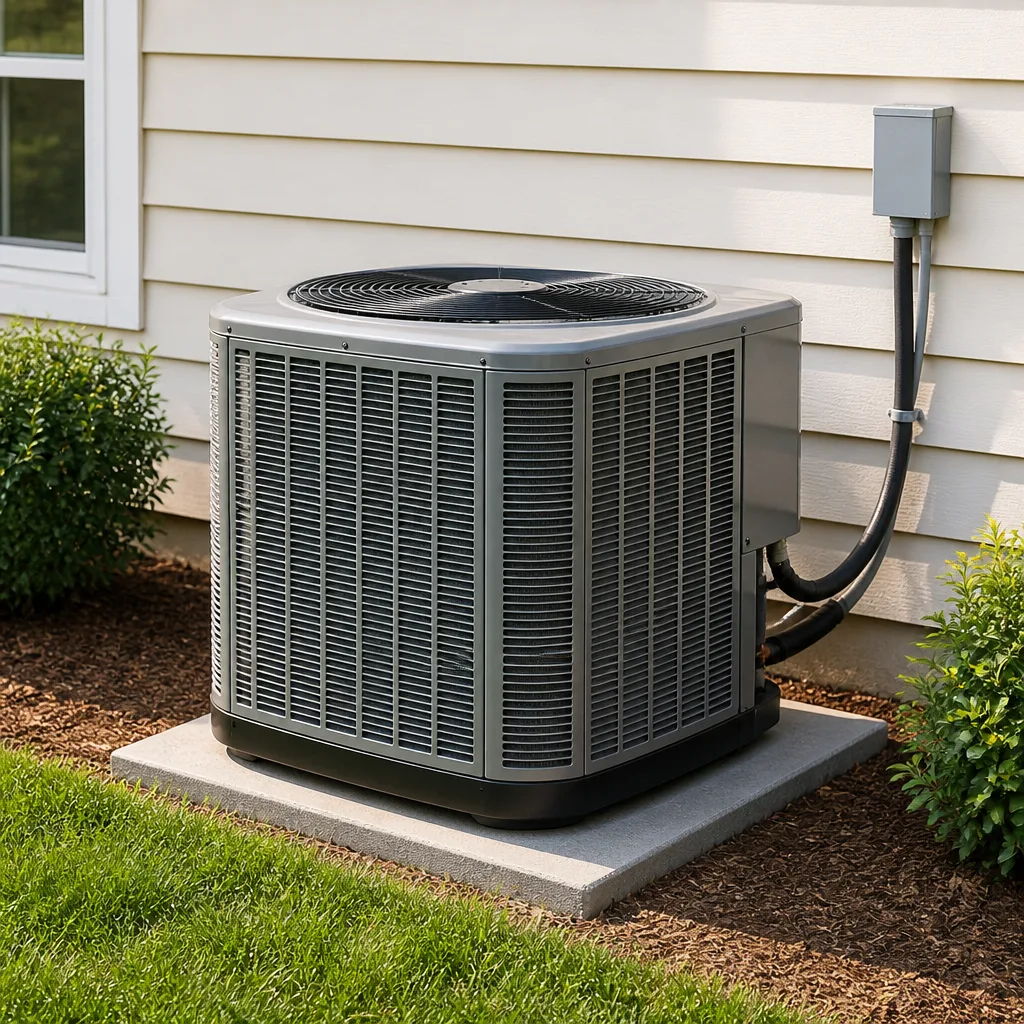 AC repair
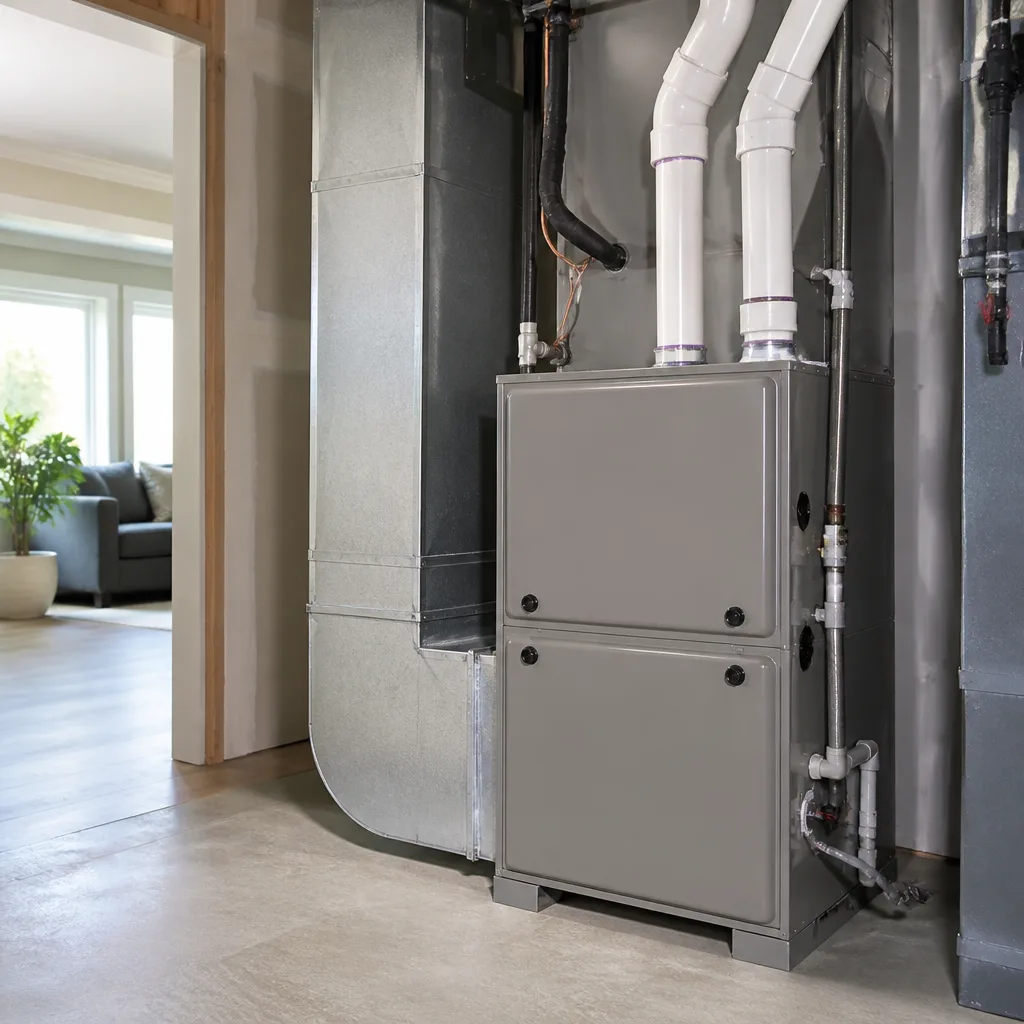 Furnace & heating
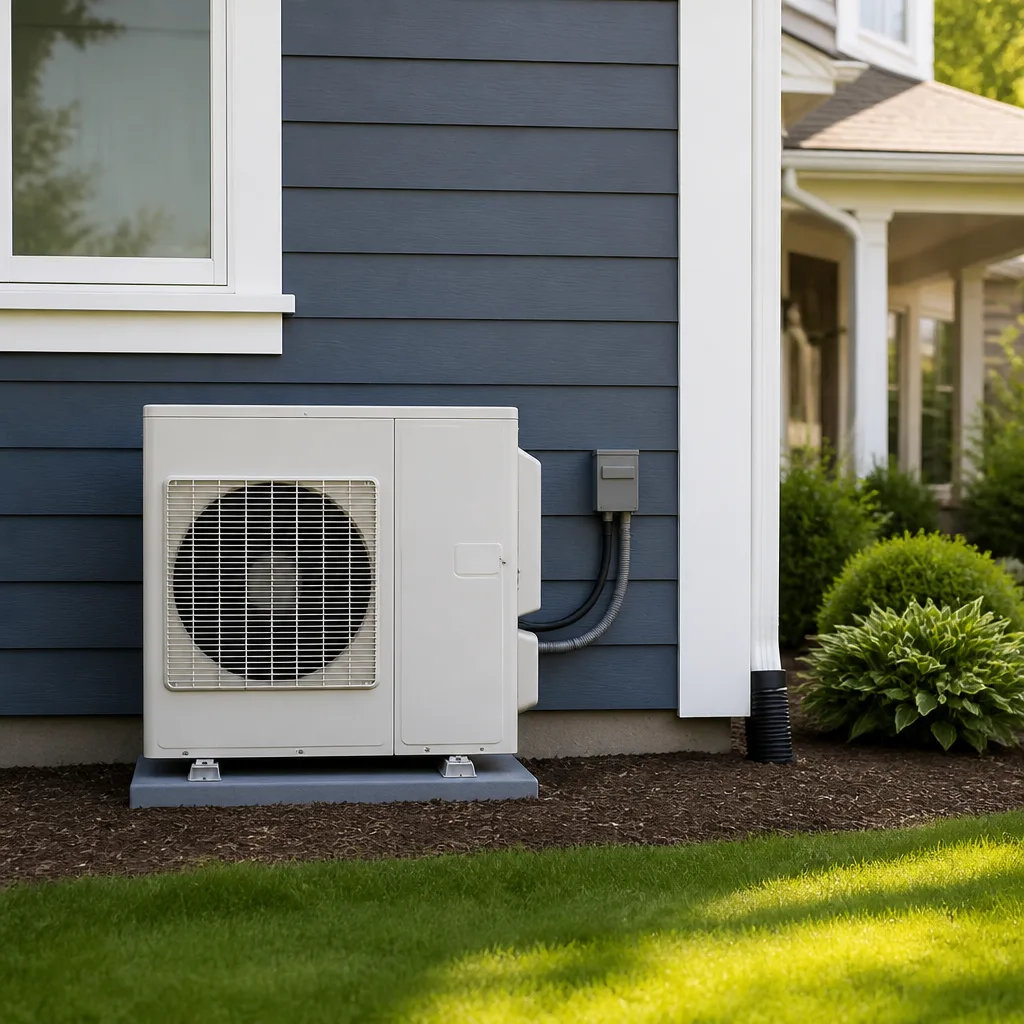 Heat pumps
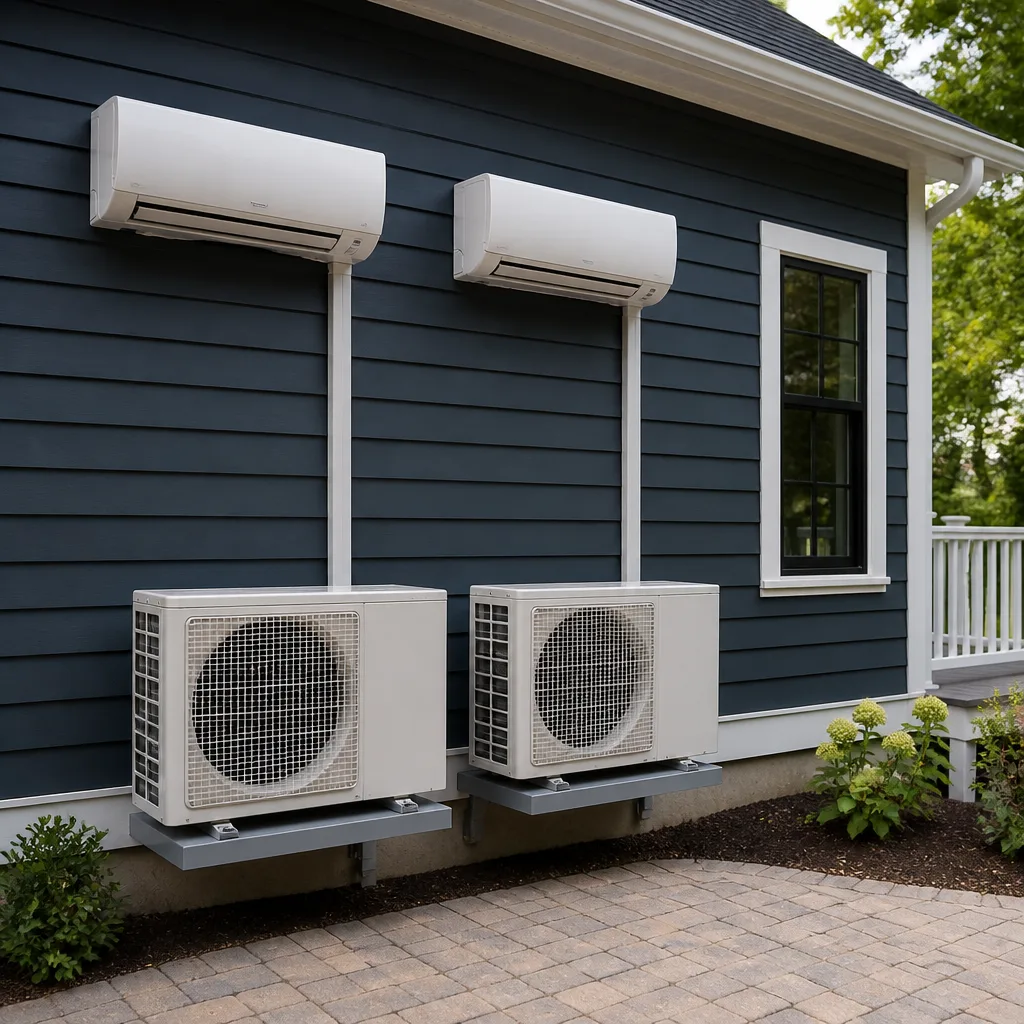 Ductless mini splits
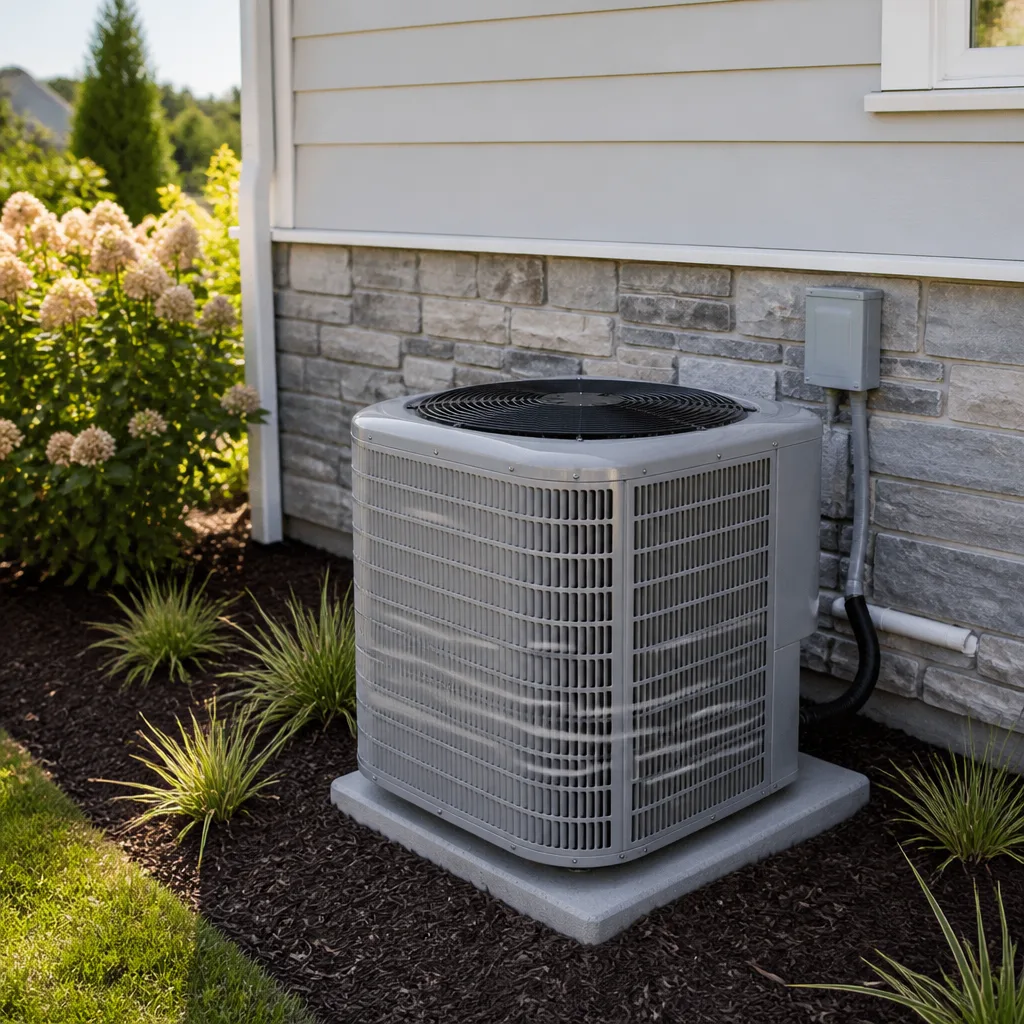 Carrier
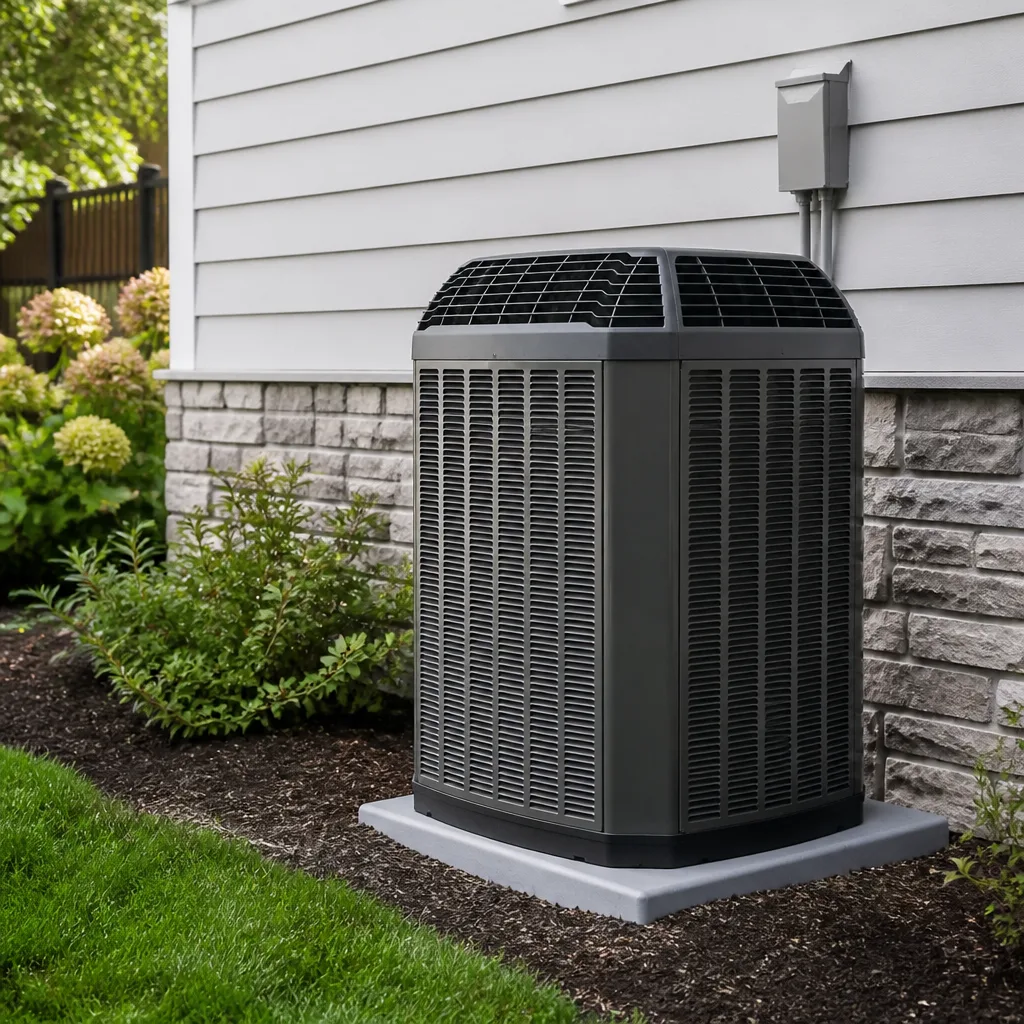 Trane
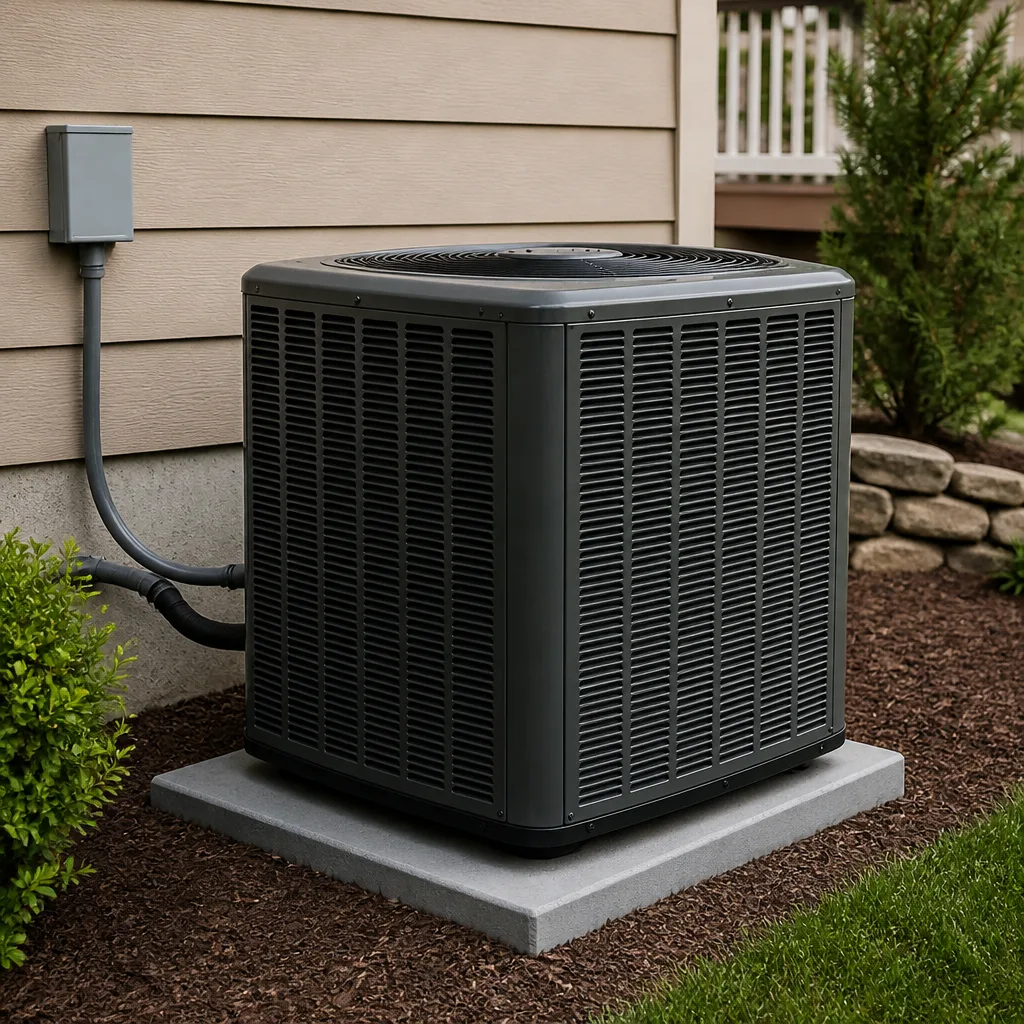 Goodman
Seasonal tune-up and full diagnostic on your Carrier, Trane, or Goodman system - readings shown to you before any repair is proposed
Diagnosis first, numbers second - you approve the repair price before a single part goes in.
Get your free estimateAC Repair Troubleshooting in Downey: Common Problems and How to Fix Them
Most troubleshooting guides tell you to check the thermostat and change the filter, then hand you off to “call a pro.” That advice isn’t wrong, but it stops right where the real work starts. Here’s the counterintuitive part: the single biggest factor in how fast and how cheaply your AC gets fixed is often not the technician’s skill but the quality of the description you give when you call. A technician who arrives knowing “the outdoor unit hums but the fan won’t spin, and the indoor unit runs fine” can test a specific part in minutes. A technician told only “it’s just not working” starts from zero. This guide is about closing that gap. You’ll learn what each symptom usually points to, how to tell electrical from refrigerant from mechanical problems safely, what the noises mean, and how to document everything so the diagnosis in your Downey home goes faster.
Quick Answer
Most AC problems in Downey fall into three buckets: electrical (tripped breaker, failed capacitor, bad contactor), refrigerant (low charge, a leak), or mechanical (seized fan motor, failing compressor). You can safely confirm whether the system has power and whether it’s cooling, but capacitor, refrigerant, and compressor diagnosis require a trained technician with test equipment. The most useful thing you can do is document the exact symptom – what runs, what doesn’t, what it sounds like, and when it happens – before you call.
Styles & brands we work with
- AC repair
- Furnace & heating
- Heat pumps
- Ductless mini splits
- Carrier
- Trane
- Goodman
Table of Contents
- The Symptom-to-Cause Matrix for Common Brands
- Electrical vs. Refrigerant vs. Mechanical: How to Tell Them Apart Safely
- What the Sounds Mean: Grinding, Rattling, and Clicking
- Short-Cycling and Frozen Coils Are Symptoms, Not Causes
- How to Document the Problem Before the Technician Arrives
- Why Downey’s Climate and Housing Shape AC Problems
- Repair or Replace? How to Think About the Decision
- When to Call a Professional
The Symptom-to-Cause Matrix for Common Brands
Air conditioners are built from the same handful of components no matter whose badge is on the cabinet: a compressor, a condenser fan motor, a blower motor, a capacitor or two, a contactor, a control board, and a refrigerant circuit. Where brands differ is in the details – board logic, part layout, and how a failure presents itself. That’s why naming your brand matters when you call. Whether your home runs a Goodman, a Rheem, a York, or a Daikin, the symptom tells us a lot before anyone touches a gauge.
Here’s a general matrix to cross-reference against your own equipment. Treat it as a starting map, not a diagnosis.
- System runs but blows warm air, outdoor fan spinning normally. Often a refrigerant charge issue, a failing compressor, or a metering device problem. Occasionally a reversing valve on a heat pump.
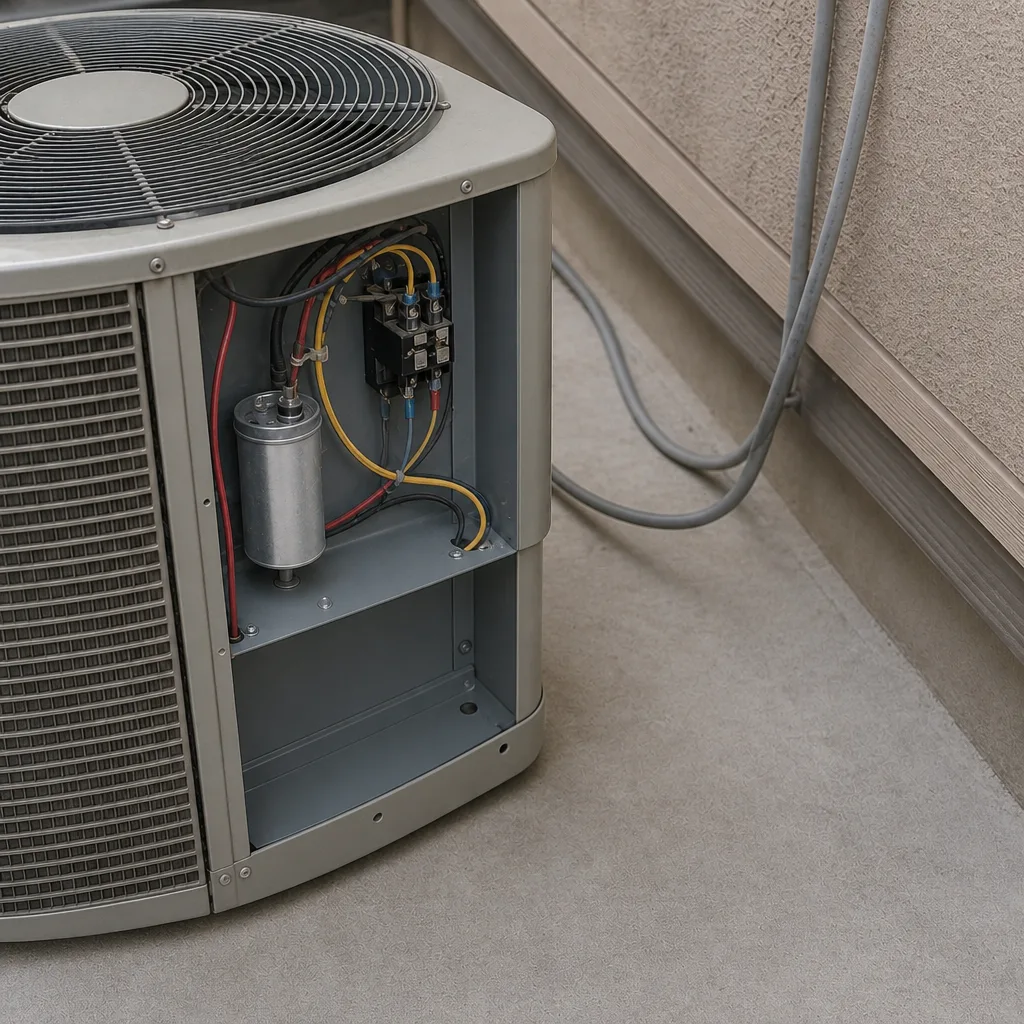
- Outdoor unit hums but the fan won’t spin. Frequently a failed run capacitor or a seized condenser fan motor. This is one of the most common calls we get.
- Nothing turns on at all. Usually electrical: a tripped breaker, an open disconnect, a blown low-voltage fuse, or a thermostat issue.
- Indoor blower runs but outdoor unit is silent. Points toward the contactor, capacitor, control board, or low-voltage wiring between the thermostat and the outdoor unit.
- Unit clicks repeatedly without starting. Commonly a contactor or a capacitor that’s failing under load, or a safety switch interrupting the circuit.
- Ice on the indoor coil or refrigerant line. Almost always an airflow or charge problem – a restricted filter, a dirty coil, a failing blower, or low refrigerant.
Brand-specific quirks exist. Some Goodman and Rheem units use particular capacitor configurations that fail in recognizable ways. Older York systems sometimes show control board faults that point straight to a sensor. Daikin inverter systems can throw communication errors that look like a dead unit but trace to a board or wiring fault. None of this changes your job as a homeowner: describe the symptom accurately and let the technician match it to the equipment. If you’d rather skip the matrix entirely and get a professional eyes on it, AC repair is what we do every day in Downey.
Electrical vs. Refrigerant vs. Mechanical: How to Tell Them Apart Safely
Knowing which category your problem falls into helps you describe it accurately and helps you understand what the repair will involve. But there’s a hard line here: some checks are safe for a homeowner and some are not. Touching a capacitor, opening an electrical panel, or working near refrigerant lines can injure or kill you. We’re not going to pretend otherwise. What follows is about what you can safely observe, not what you should repair.
What you can safely check:
- The thermostat. Confirm it’s set to cool, the fan is on auto or on, and the display has power. A dead display often means a tripped breaker or a low-voltage fuse, not a broken thermostat.
- The breaker panel. Look for a tripped breaker feeding the AC. You can safely reset it once. If it trips again immediately, stop and call – a breaker that won’t hold is telling you something is wrong, and repeatedly resetting it can damage the compressor.
- The outdoor disconnect. Many homes have a disconnect box near the condenser. You can look at it to confirm it’s in the “on” position, but don’t open it or touch the wiring inside.
- Airflow. Pull the filter and look at it. Check that supply vents are open and return grilles aren’t blocked by furniture. Restricted airflow is behind a surprising share of “my AC isn’t working” calls.
- The outdoor unit. Is the fan spinning? Is the cabinet clear of leaves and debris? Does the unit hum but not spin? These observations are safe and very useful.
What you should not touch: capacitors (they hold a charge even with power off), contactors, wiring, refrigerant lines and service valves, and the compressor itself. Refrigerant requires a license to handle, and misdiagnosing a charge problem by adding refrigerant without finding the leak just delays the real repair. If your observation points to any of these, that’s your cue to call. Our technicians have up to 12 years of experience and carry the test equipment to sort electrical from refrigerant from mechanical in a single visit, which is exactly why we handle both cooling and heating systems – a split system has two sides and both deserve a look.
What the Sounds Mean: Grinding, Rattling, and Clicking
Sound is one of the most underused diagnostic clues in HVAC. Homeowners hear something off but don’t know how to describe it, so they say “it’s making a noise.” The truth is that a grinding sound, a rattle, and a click each point in different directions. Here’s how to translate what you’re hearing.
- Grinding or screeching from the indoor unit. Usually a failing blower motor bearing or a blower wheel rubbing against its housing. Left alone, a seizing blower can overheat the motor and, in some cases, trip the system on a safety limit. This one tends to get worse, not better.
- Grinding or screeching from the outdoor unit. Often a condenser fan motor bearing or something obstructing the fan blade. If the fan is struggling to spin, the compressor has to work harder, which shortens its life.
- Rattling or buzzing along the refrigerant lines. Commonly vibration against a wall, a loose line set clamp, or a slightly loose panel. Occasionally it points to a more serious problem like a compressor that’s beginning to fail, so don’t dismiss a rattle that comes and goes with the compressor cycle.
- Clicking from the outdoor unit. The contactor clicks every time the system starts, which is normal. Rapid, repeated clicking without the unit starting usually means the contactor or capacitor is failing, or a safety switch is cycling the unit off.
- Hissing near the indoor coil. Can indicate a refrigerant leak. This is one to describe clearly when you call and one to leave alone.
- Banging or a hard thud at startup. Sometimes a compressor struggling to start, sometimes a loose component. Worth a professional look.
Notice a pattern: the location of the sound (indoor vs. outdoor) matters as much as the sound itself. When you call, say which unit it’s coming from and whether it happens at startup, continuously, or only during certain cycles. That one detail can save a technician a lot of diagnostic time. In our experience working on Downey homes, the most common misdescribed sound is a failing capacitor – homeowners hear a hum and a click from the outdoor unit, but it’s the missing fan spin that’s the tell.
Short-Cycling and Frozen Coils Are Symptoms, Not Causes
Two of the most common complaints we hear are “it keeps turning on and off” and “there’s ice on the pipes.” Both are real problems, and both are misunderstood. Neither is the disease. Each is your system waving a flag about something upstream. If you fix the symptom – say, by thawing the coil and going back to normal – the underlying cause is still there and the problem will return.
Short-cycling (the system runs for a few minutes, shuts off, then repeats) usually points to one of these upstream causes:
- A refrigerant charge that’s too low or too high, which throws off the pressure switches
- A clogged filter or blocked coil that’s overheating the system and tripping a safety limit
- An oversized system that cools the house too fast, or a thermostat placed where it reads the wrong temperature
- A failing capacitor or contactor that’s struggling to hold the circuit
- A control board or sensor fault on the equipment itself
A frozen coil (ice on the indoor coil or the large insulated line) usually traces to:
- Low refrigerant from a leak – the most common cause when airflow is fine
- Restricted airflow from a dirty filter, a blocked return, or a failing blower
- A dirty evaporator coil that’s restricting heat transfer
- In some cases, a metering device issue
Here’s the practical takeaway: if your coil ices up, turn the system off at the thermostat, let it thaw completely, change the filter, and if it ices again, that’s your signal that the problem is refrigerant or a component – not a filter. Frozen coils are especially common in Downey during the long inland summer, when systems run hard and any small airflow restriction compounds. Running an iced-up system can damage the compressor, so don’t wait. If a thaw doesn’t solve it, AC repair is the right next step.
How to Document the Problem Before the Technician Arrives
Good documentation does two things. It shortens the diagnostic window, which means less time billed and a faster repair. And it creates a paper trail that matters if warranty work is involved. Here’s what to gather in the hour before your technician arrives – none of it requires tools or opening anything up.
- Photograph the thermostat display at the moment the problem is happening, and note the set temperature and the actual room temperature. A 4-degree gap between set and actual tells a different story than a 15-degree gap.
- Photograph the outdoor unit – the whole thing, then a close-up of the fan area if the fan isn’t running. Include any frost or ice if you see it.
- Photograph the indoor unit and the filter, including the filter’s condition. If it’s heavily loaded, show it; that’s information.
- Record a short video of the sound. Ten to fifteen seconds is plenty. Record it from the same position each time if you can, and note which unit it’s coming from.
- Write down a timeline. When did it start? Is it constant or intermittent? Does it happen more on hot afternoons? Did anything change – a power outage, a breaker reset, a filter change, a new thermostat?
- Note the model and serial numbers from the outdoor unit and the indoor air handler. These are printed on a plate on the cabinet. If warranty work comes up, those numbers come first.
- Write a one-sentence description in plain language. “The indoor unit blows warm air, the outdoor unit hums but the fan doesn’t spin, and it started two days ago.” That sentence is worth more to a technician than a paragraph of speculation.
One more habit worth building: keep a small notebook or a phone note with the dates of any prior service, filter changes, and repairs. When you call AC Repair Downey, our technicians work on nine of the most widely installed residential brands – Carrier, Trane, Lennox, Goodman, Rheem, York, Daikin, Bryant, and American Standard – which means whichever one is on your plate, they’ve likely seen the same failure pattern before and can move quickly once they have your notes. A clear description turns a three-hundred-dollar diagnostic into a fifteen-minute confirmation.
Why Downey’s Climate and Housing Shape AC Problems
Equipment problems aren’t only about the equipment. They’re about what the equipment faces. Downey sits in the Los Angeles Basin, inland of the coastal marine layer but close enough that the weather moves in layers – cool mornings, hot afternoons, and a long cooling season that starts earlier and ends later than many homeowners expect. That puts a lot of running hours on an air conditioner, and running hours are what find weak parts.
Two specific things show up in Downey:
- A long cooling season. Systems run from late spring into fall, often with only short breaks. Capacitors and contactors – the components that take the hardest electrical work at startup – are usually the first to go. A capacitor that would last years in a milder climate can fail sooner when it cycles heavily.
- Aging housing stock with older systems. Many homes in Downey were built decades ago and have had their HVAC replaced or repaired over time. That means a mix of equipment ages on the same street, from newer Daikin inverter systems to older York and Rheem units. Older ductwork, in some cases with leaks or poor insulation, adds airflow problems on top of equipment problems.
Downey also has a story beneath its housing that matters: the city sits over historical oil fields, and some neighborhoods have dealt with ongoing oil operations and associated environmental concerns. What that means for you is practical, not scientific – when you’re dealing with a system in an older Downey home, don’t assume the equipment you see was installed when the house was built, and don’t assume the ductwork is in the same condition as the equipment. Ask questions about both. We work on the system you have, and we’d rather diagnose the whole system than guess. If you’re in a Downey neighborhood like Downey Landing, Southeast Downey, or near Furman Park, the age and construction of your home is one of the first things a technician will consider.
Repair or Replace? How to Think About the Decision
This is the question most homeowners dread, and it’s often answered badly by sales-driven companies. Here’s the honest framing. A repair usually makes sense when the failed part is accessible and the rest of the system is in reasonable shape: a capacitor, a contactor, a fan motor, a blower motor, a control board, or even a compressor on a system that’s otherwise healthy. A replacement usually makes sense when the repair cost starts approaching the cost of a new system, when the system is old enough that the repaired part will be followed by another repair, or when repeated refrigerant leaks suggest the system is losing its charge faster than it can be topped up.
What to look at before deciding:
- The age of the equipment. Nameplate date on the outdoor unit tells you the true age, regardless of when the house was built or last sold. Ask the technician to read it and explain what it means for your situation.
- The history of repairs. One failure isn’t a pattern. Two or three in a short period usually is.
- The efficiency of the equipment. Older units are simply less efficient than new ones, which matters when you’re paying Downey’s summer electric bills. We don’t quote savings figures – those depend on your home – but a technician can walk you through the comparison.
- Refrigerant type. Older systems use older refrigerants that are being phased out; a repair that requires refrigerant on an older system can cost more than a similar repair on a newer one. Ask about this honestly.
- Ductwork condition. A new system connected to leaky ducts won’t deliver the comfort you paid for. If the ducts are in poor shape, address that in the same conversation.
Repair or replace – we’ll tell you which one actually makes sense for your system. We’re not tied to any manufacturer’s inventory or dealer agreement, so our recommendation is based on your equipment and your house, not on what we have to move. When replacement is the answer, AC installation covers the load calculation and scheduling on a set install date, and if you’re weighing the whole picture across the city, the Downey overview explains how we approach the area.
Common Mistakes to Avoid
- Resetting the breaker over and over. A breaker that won’t hold is telling you something is wrong at the circuit or the compressor. Repeated resets can damage the compressor; one try, then call.
- Adding refrigerant without finding the leak. A system that’s low on refrigerant has a leak or a problem upstream. Topping it up without identifying the source is a temporary fix that costs you twice.
- Running an iced-up system. If the indoor coil is frozen, turn the system off and let it thaw. Running it while it’s iced can put the compressor at risk. Don’t chip ice off the coil with a tool, which can puncture the tubing.
- Using a “bigger is better” filter without checking the airflow. A high-MERV filter can strain a blower that isn’t sized for the restriction. Match the filter to the system’s airflow needs, not the highest number on the shelf.
- Hiring a general handyman for an HVAC repair. HVAC is a licensed trade for a reason. A generalist may be splitting attention across many trades; a specialist sees the same failure patterns every week. When you’re in Downey, that distinction matters.
- Deciding to replace based on one quote. Get a written diagnosis that names the failed part, the test that confirmed it, and the reasoning behind the repair-vs-replace recommendation. Anything less is a sales call.
- Waiting for the problem to “settle down.” A grinding blower or a short-cycling system is more likely to get worse than to fix itself. Early repair is usually the cheaper repair.
See the difference
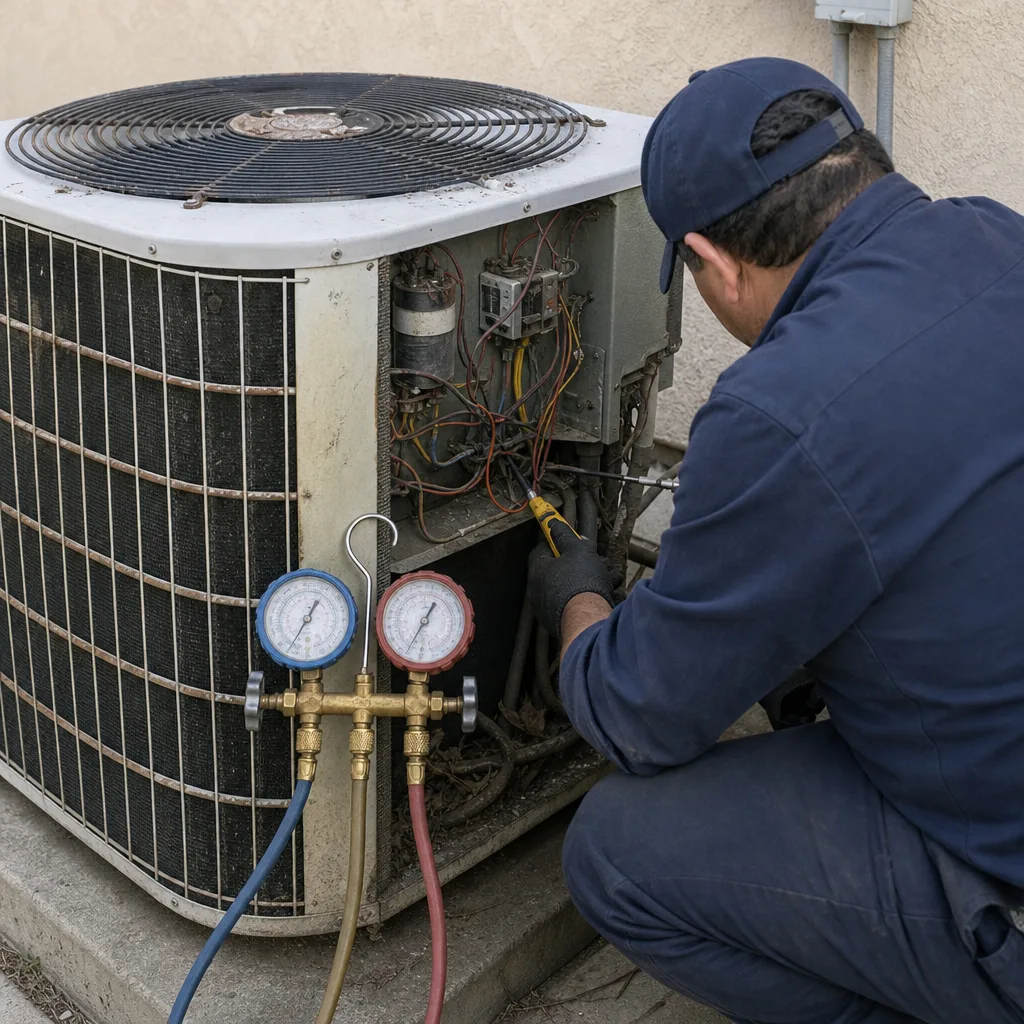 Before
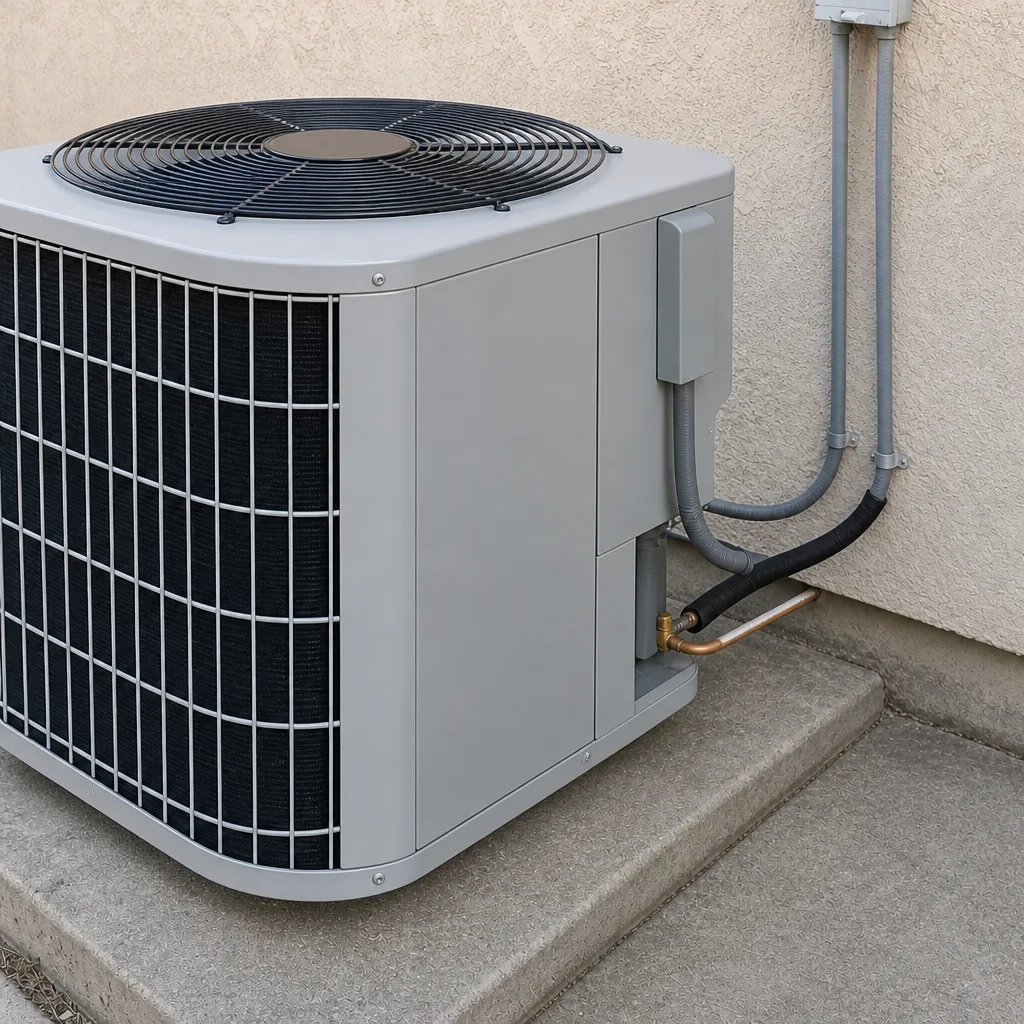 After
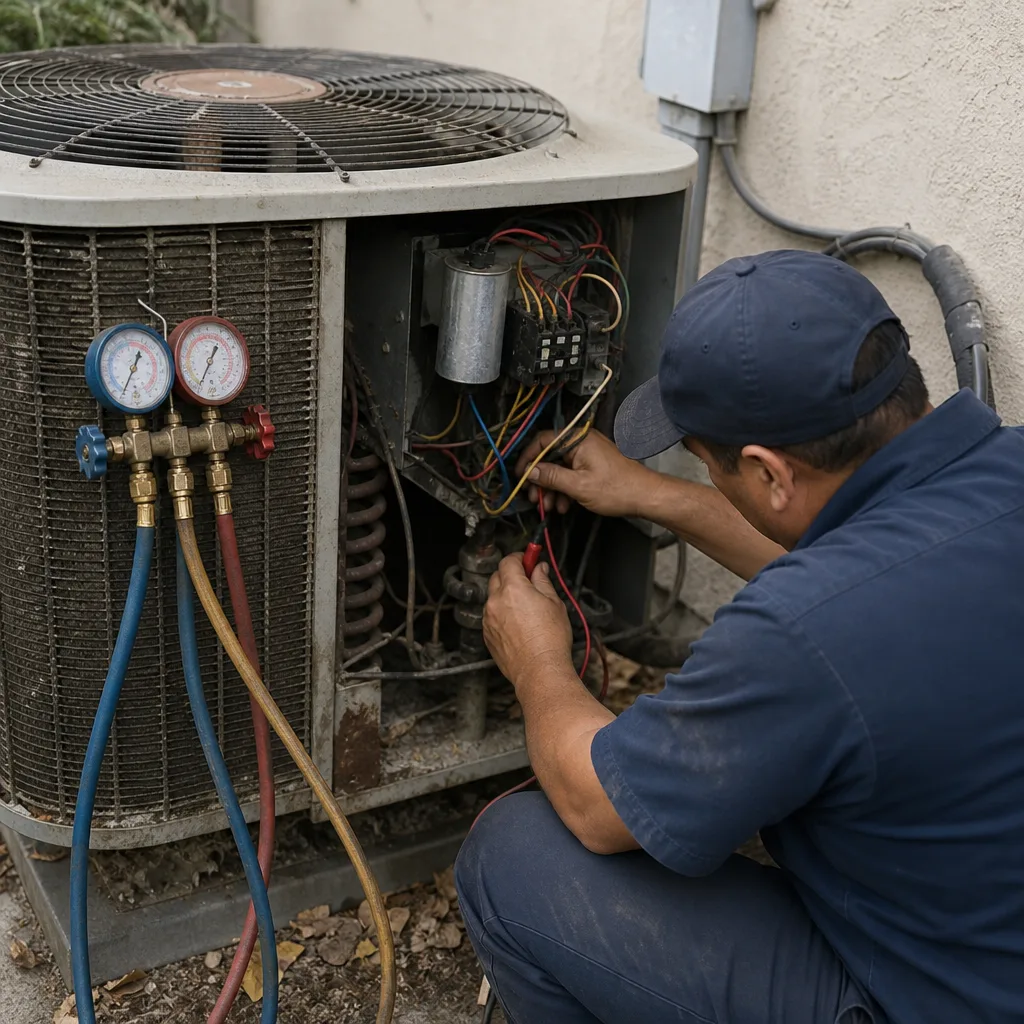 Before
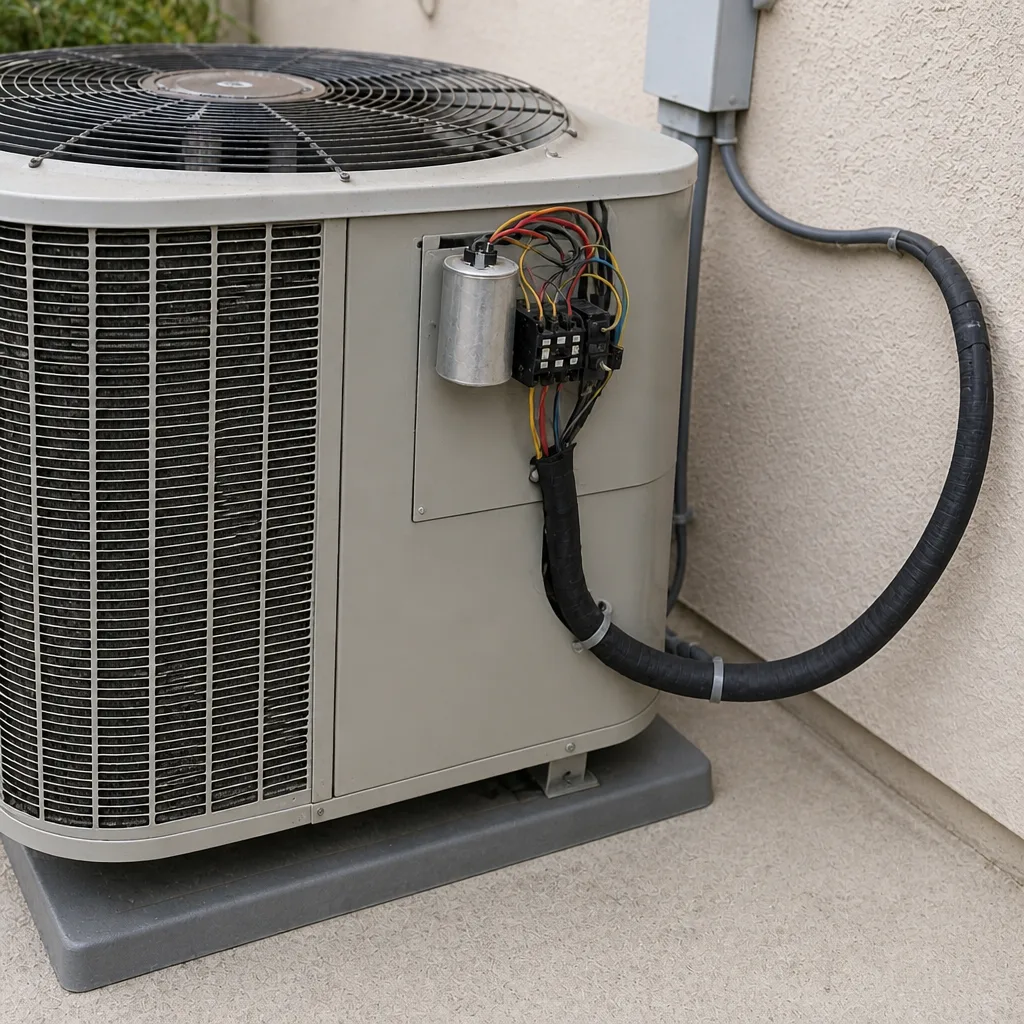 After
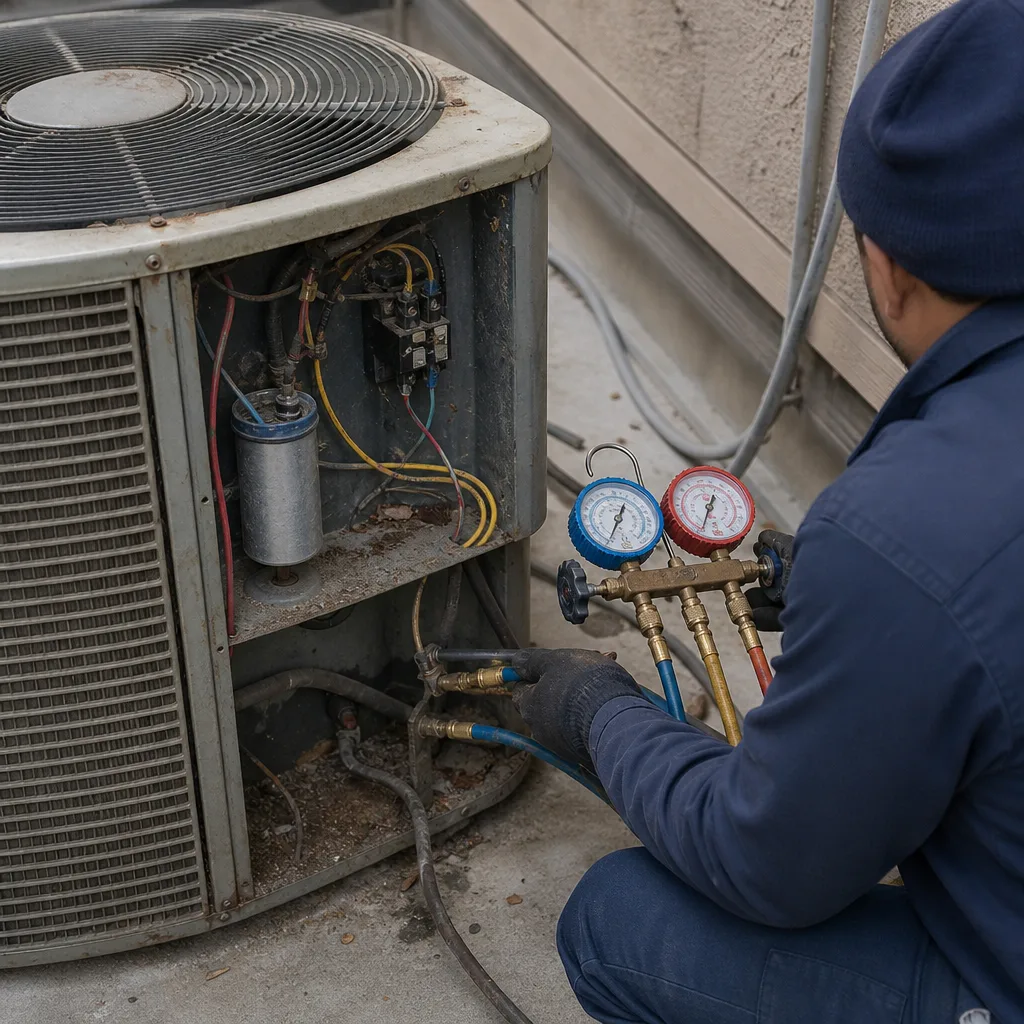 Before
 After
When to Call a Professional
Some problems are safe to observe and describe; some need a technician in the room. Call for help if you see any of the following:
- A breaker that trips again after one reset, or any smell of burning from a panel or unit
- Ice on the indoor coil that returns after a full thaw
- The outdoor fan not spinning while the unit is energized – a common capacitor or fan motor issue that needs testing
- Any hissing or suspected refrigerant leak, or any refrigerant work at all
- A grinding blower that’s getting louder, or a compressor sound that’s new
- Repeated short-cycling, especially during hot afternoons
- Any issue that’s been “intermittent” for weeks – intermittent problems are often a failing part working up to a full failure
AC Repair Downey offers free estimates in Downey – call (855) 677-0314. We answer 24/7, with fast dispatch from 7am to 7pm. Our technicians have up to 12 years of experience, work exclusively in HVAC, and are certified across nine of the most common residential brands, so they arrive already familiar with the system in your home. Call (855) 677-0314 for a free estimate.
Frequently Asked Questions
An AC that runs but doesn’t cool is usually low on refrigerant from a leak, has a failing compressor, or has a restricted airflow problem that’s overwhelming the coil. It can also be a failing capacitor on the outdoor unit that’s keeping the compressor from starting. Because these causes need different testing, don’t guess – call (855) 677-0314 for a free estimate, and we’ll diagnose which one it is.
You can safely check the thermostat, look at the breaker panel, confirm the outdoor disconnect is in the on position, and observe whether the outdoor fan is spinning. You should not open the electrical panel, touch capacitor terminals, or handle wiring – capacitors hold a charge even with the power off. Test any component beyond the breaker with a licensed technician.
That symptom most often points to a failed run capacitor or a seized condenser fan motor. It’s one of the most common repairs we do. Because it involves testing live electrical components, leave it to a technician. Call (855) 677-0314 and describe exactly what you’re seeing and hearing – that one detail will speed up the diagnosis.
A frozen indoor coil is almost always a symptom of low refrigerant from a leak, restricted airflow from a dirty filter or failing blower, or a dirty evaporator coil. Turn the system off, let it thaw completely, change the filter, and if the coil freezes again, the problem is upstream and needs professional diagnosis. Call (855) 677-0314 before you run the system iced up.
Short-cycling needs a technician. The symptom is visible to you, but the causes – refrigerant charge, a failing capacitor or contactor, a control board fault, an oversized system, or a thermostat placement problem – require testing to identify. Describe how often it cycles, when it started, and whether it happens more in the afternoon. Call (855) 677-0314 for a free estimate.
We’re certified to diagnose and service nine of the most widely installed residential brands: Carrier, Trane, Lennox, Goodman, Rheem, York, Daikin, Bryant, and American Standard. If yours is one of those, our technicians arrive familiar with the equipment. Call (855) 677-0314 with your model number and we’ll confirm before booking.
The Bottom Line
Troubleshooting your AC isn’t about fixing it yourself. It’s about describing it well enough that a technician can diagnose it in one visit. Confirm the small things safely – the thermostat, the breaker, the filter, the fan – then document what you observe: photos of the thermostat and outdoor unit, a short video of the sound, the model and serial numbers, and a one-sentence summary of the symptom. That preparation turns a guess into a diagnosis and can shorten the repair. When something points to electrical components, refrigerant, or a mechanical failure, call a professional. AC Repair Downey covers AC repair, AC installation, and furnace repair – one call, both sides of your system. Call (855) 677-0314 for a free estimate. We answer 24/7, with fast dispatch from 7am to 7pm.
Written by the team at AC Repair Downey.