
Last updated November 14, 2026
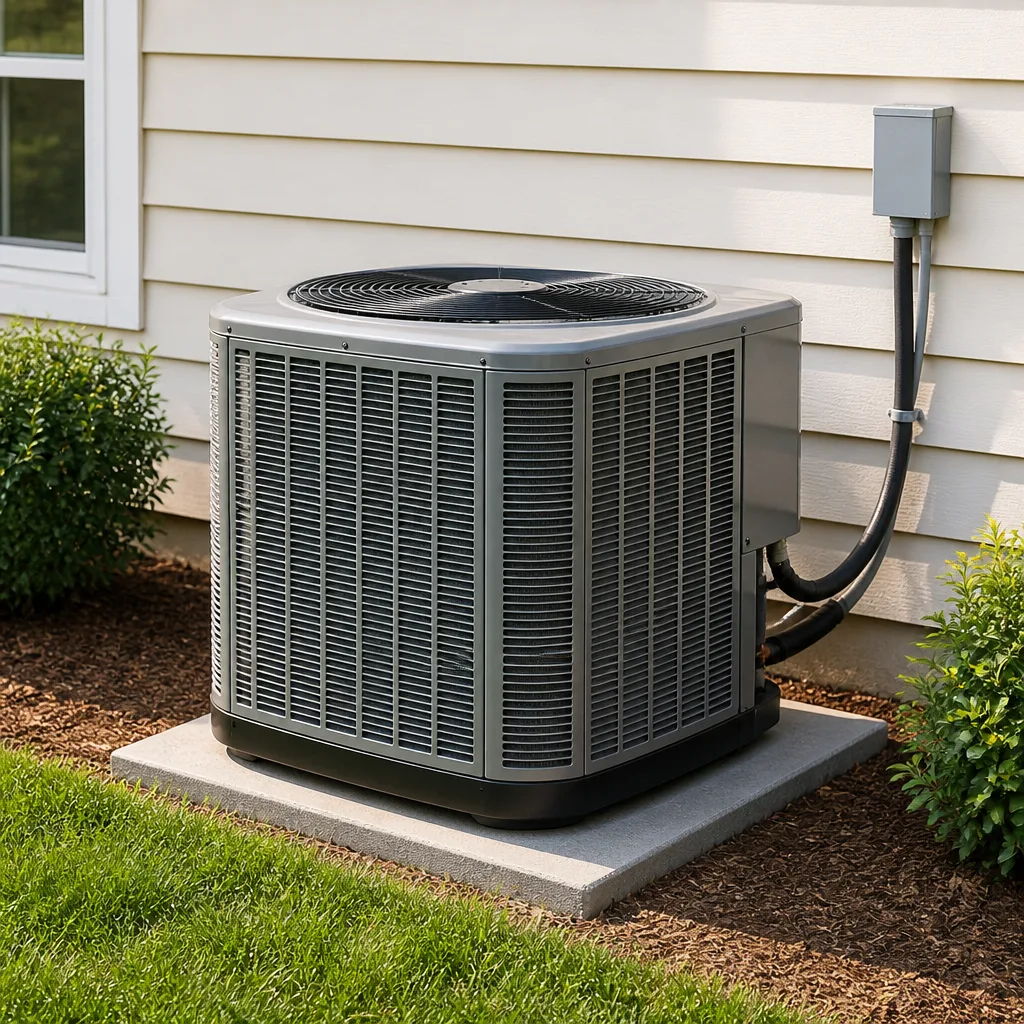 AC repair
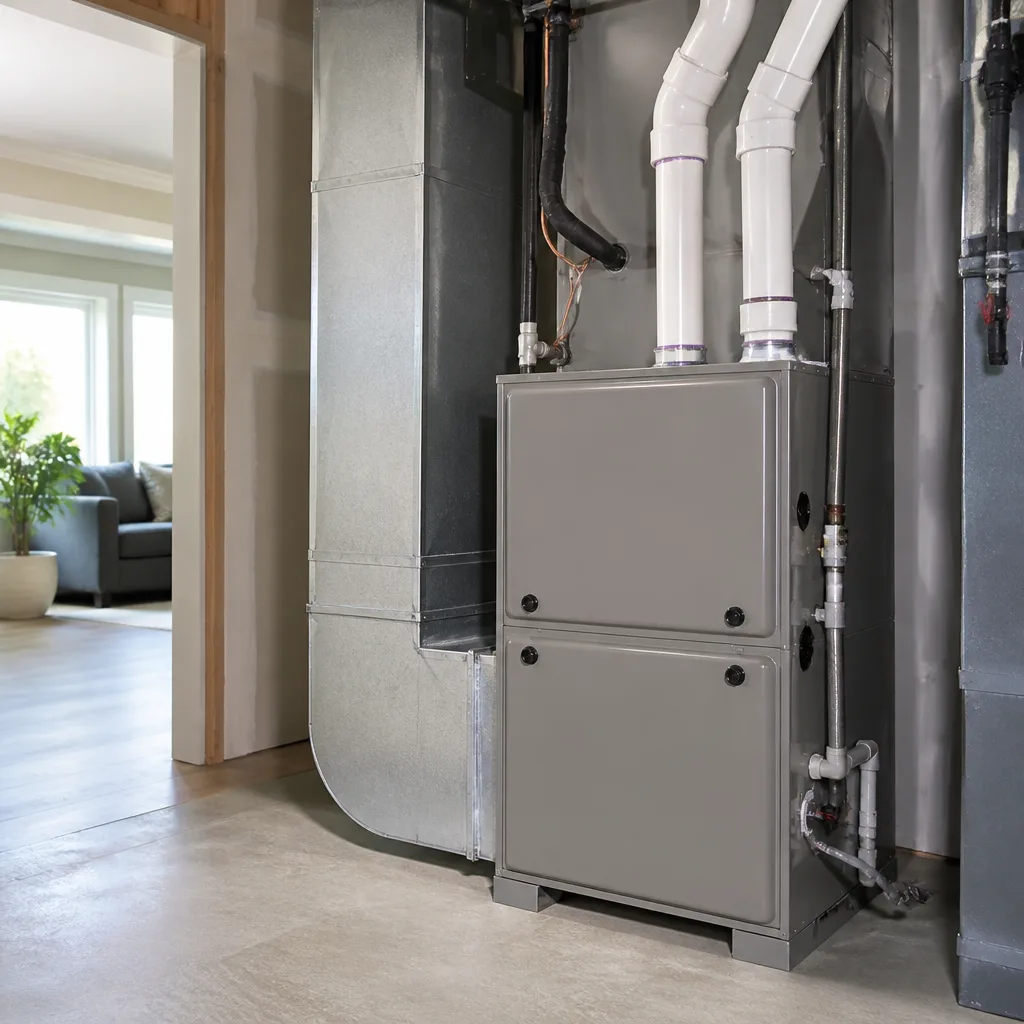 Furnace & heating
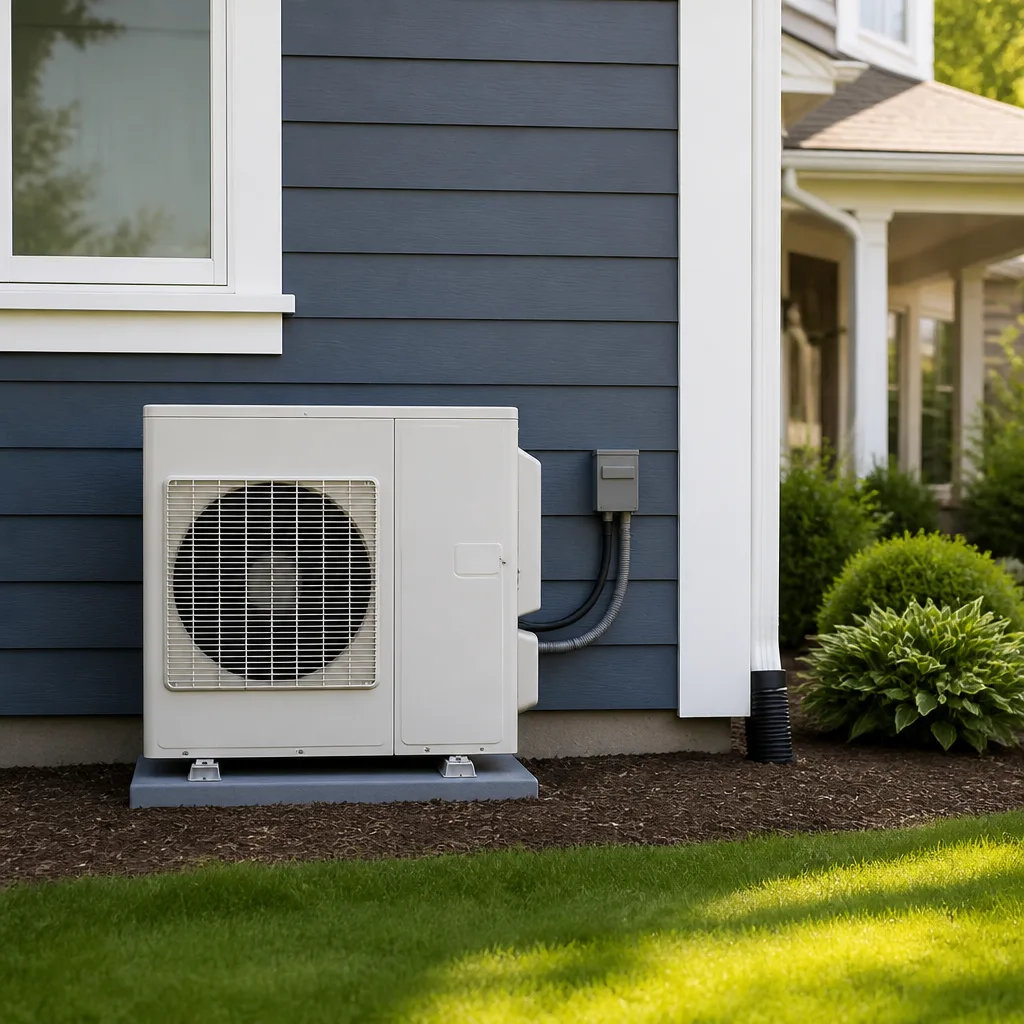 Heat pumps
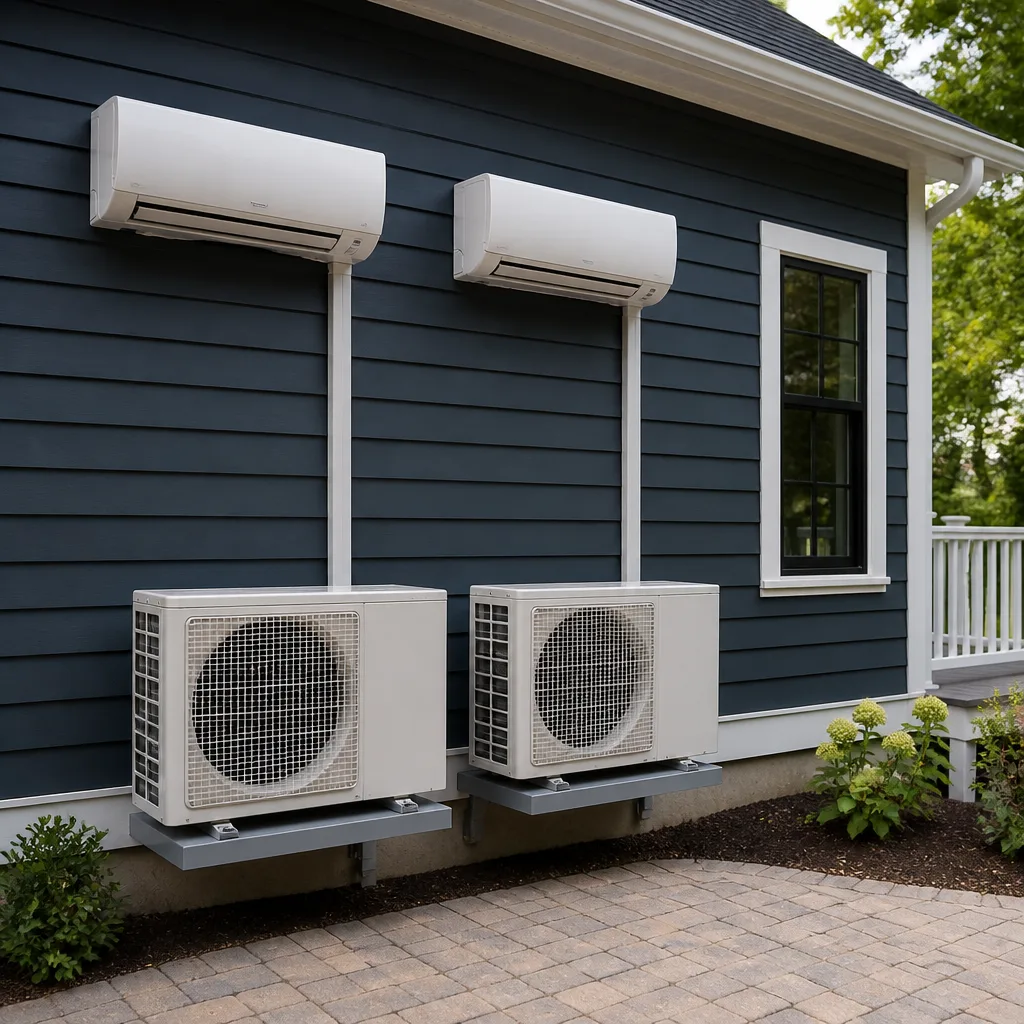 Ductless mini splits
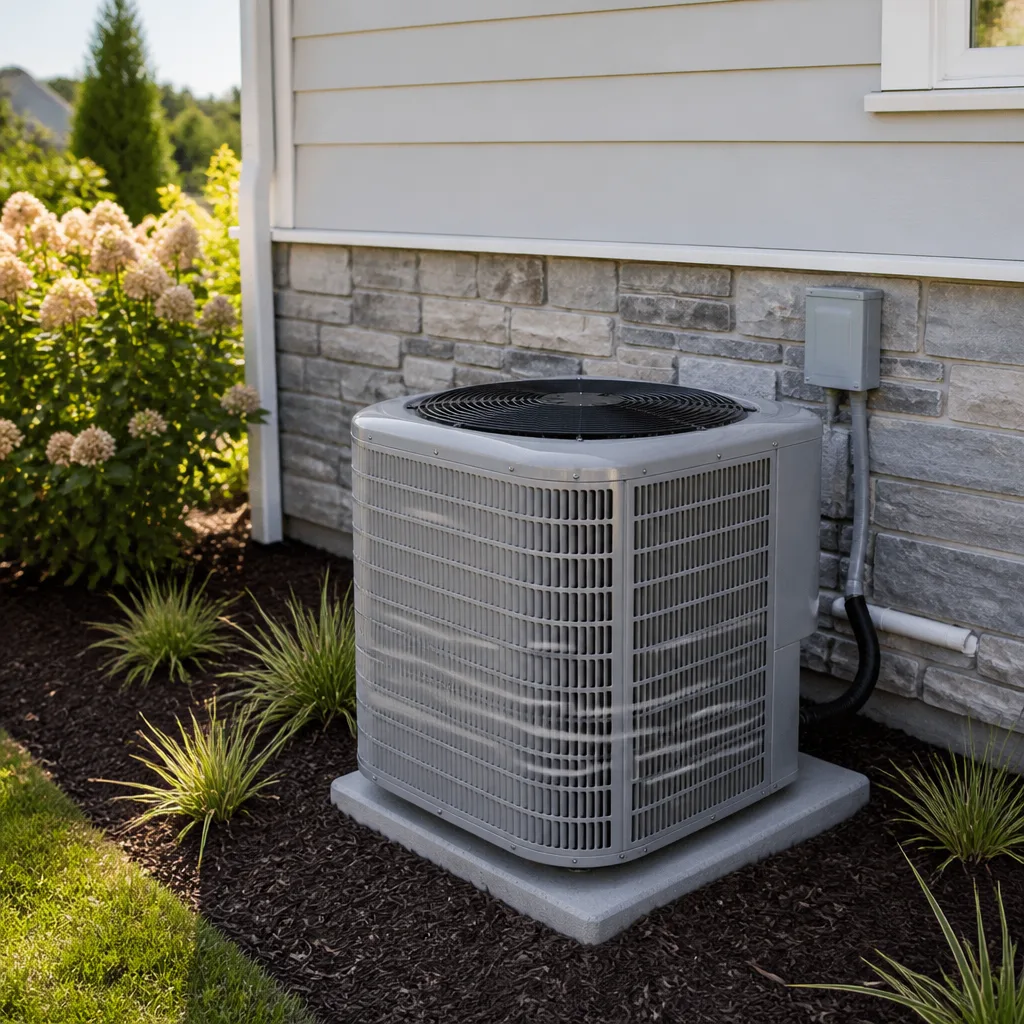 Carrier
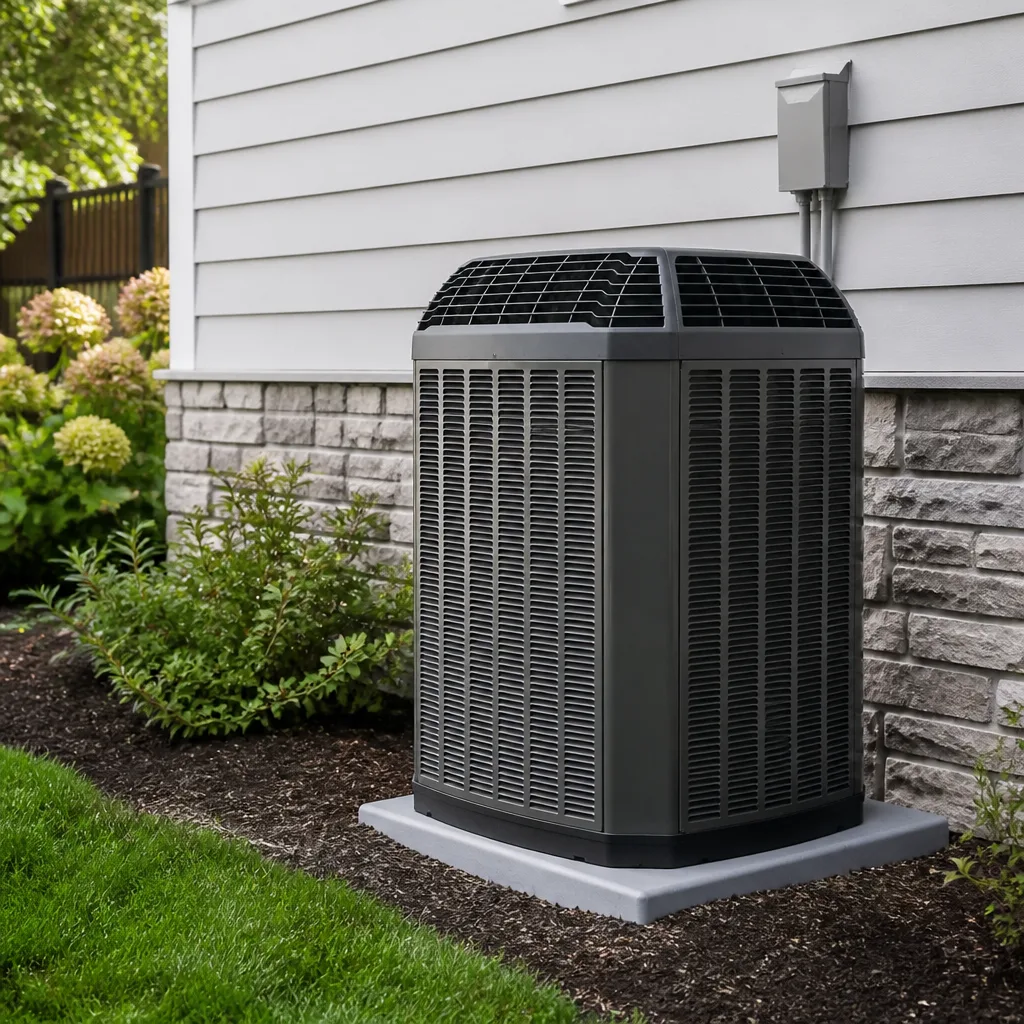 Trane
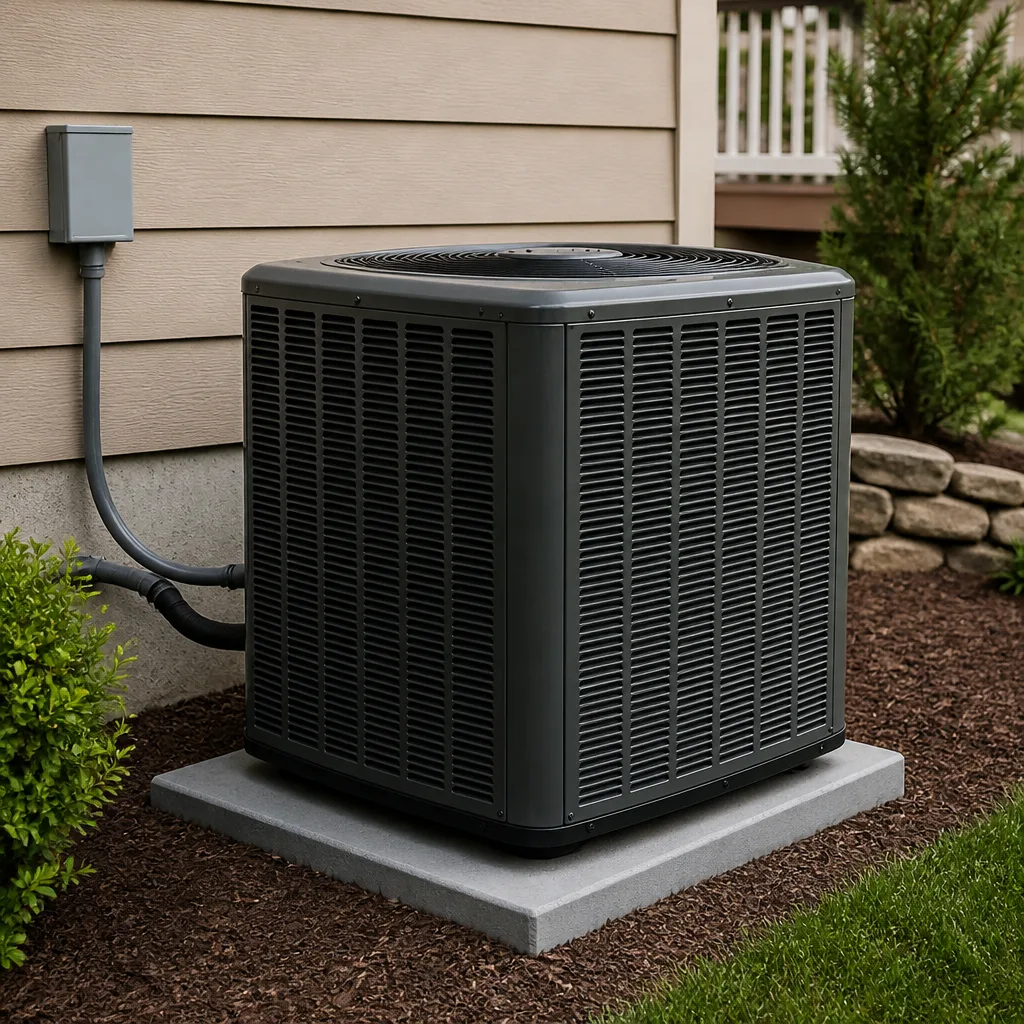 Goodman
Seasonal tune-up and full diagnostic on your Carrier, Trane, or Goodman system - readings shown to you before any repair is proposed
Diagnosis first, numbers second - you approve the repair price before a single part goes in.
Get your free estimateChoosing the Right HVAC Brand: A Buyer’s Guide for Downey
The brand name on the side of your condenser matters far less than what happens when it stops working. A system ranked first in a national consumer survey can still leave a Downey homeowner waiting days for a part, tied up in dealer paperwork, or paying for a repair that never gets authorized. What actually determines whether you’ll be happy with your equipment is where the parts come from, who can service it, and whether the warranty gets honored without a fight. This guide walks through the nine major residential brands our technicians work on every day and explains how each one performs in Downey’s climate, housing stock, and service landscape.
Styles & brands we work with
- AC repair
- Furnace & heating
- Heat pumps
- Ductless mini splits
- Carrier
- Trane
- Goodman
Quick Answer
There’s no single “best HVAC brand” for Downey, but there is a best brand for your house. The practical answer is: choose a brand with strong LA County parts distribution, an open service network (not one locked to a single dealer), and equipment sized to your home’s actual load. For most Downey homes, Carrier, Trane, Lennox, and Goodman all land in a reasonable range, but the tie-breaker is which one your local HVAC company can diagnose and repair without waiting on a distant warehouse.
Table of Contents
- Quick Answer
- Why Brand Matters Less Than You Think (And Where It Matters Most)
- Parts Availability in LA County: Where Each Brand Stands
- What “Registered Limited Warranty” Actually Means in California
- Matching Brands to Downey’s Housing Stock
- Total Cost of Ownership: Five Years vs. Ten
- Why a Multi-Brand Contractor Recommends Differently
- How to Tell Which Kind of Contractor You’re Talking To
- Common Mistakes to Avoid
- When to Call a Professional
- Frequently Asked Questions
- The Bottom Line
Why Brand Matters Less Than You Think (And Where It Matters Most)
Brand is a starting point, not a decision. Two 3-ton condensers from two competing manufacturers can share the same compressor technology and the same basic architecture – what differs is who supports them and how fast.
Here’s the split we’ve seen hold up over the past decade-plus of technician work. Brand matters most in three places:
- Parts availability. A control board that ships overnight from a regional warehouse beats a technically superior one that takes a week from out of state.
- Warranty claims. A limited warranty that requires dealer authorization can’t be used when the homeowner calls a non-dealer contractor – which is why registration and claim terms matter more than the length of the coverage.
- Service network density. A brand with a single authorized dealer in southeast LA County is effectively unsupported if that dealer is booked.
Where brand matters much less: efficiency marketing language, “exclusive technology” claims, and national reliability rankings that were assembled by surveying homeowners across climates that don’t resemble Downey’s.
Downey is a good test case. Winters are mild, so heating demand is light and the furnace gets less wear than it would in a colder region. Cooling demand runs long and steady from late spring through October, with dust, dry heat, and afternoon sun loading the compressor side. That’s the half of the equation brand reputation usually ignores. Whether your system survives twenty summers in Downey depends more on whether it’s correctly sized and charged than on whether it carries a premium label.
What this means for a buyer: spend your research time on parts, warranty, and service – then use brand preference to break ties.
Parts Availability in LA County: Where Each Brand Stands
Parts distribution is the single most under-discussed factor in brand selection. When a system fails in July, the real question for a Downey homeowner isn’t “which brand lasts longest” – it’s “how fast can we get this part.”
Here’s how we categorize the nine major residential brands based on how quickly parts typically turn around for Downey-area jobs:
- Tier 1 – broad local distribution: Carrier, Trane, Lennox, Goodman, Rheem. All five have deep parts distribution across the LA basin. Common components – contactors, capacitors, control boards, blower motors – are usually available locally or same-week without unusual lead times.
- Tier 2 – regional coverage with some gaps: York, Bryant, American Standard. Parts turnaround is generally fine for common items, but obscure components (some controller variants, certain coil assemblies) can require order-in timing.
- Tier 3 – growing, with specific considerations: Daikin. Strong presence in south LA County, but because the brand’s equipment lines have expanded faster than the parts network in some sub-markets, on unusual components you may see a longer wait than a Carrier or Trane part.
That tiering is not a comment on quality. It’s a comment on the practical reality of how long your system stays down.
What “local parts” really means for a Downey repair
Downey sits east of the 110 and south of the 5, with roughly a 20-30 minute drive to major parts counters in either central LA or the Long Beach corridor. When a part is in stock locally, a same-day repair is often possible. When it isn’t, the delay stretches to the supplier’s ship time – usually measured in days, not hours.
Which brands we see fail most often (and why that’s not a durability claim)
We see more Goodman and Carrier failures than Trane and Lennox, but that’s because Goodman and Carrier have a much larger installed base – not because the equipment is worse. Volume of installation determines volume of repair. Don’t confuse the two when reading reviews.
What “Registered Limited Warranty” Actually Means in California
Warranty language is where most Downey homeowners get misled, and it’s the second-biggest factor after parts. Here’s the honest translation of the terms you’ll see.
What a “registered limited warranty” actually covers
- Registration is required, usually within 60 days of installation. If your installing contractor fails to register the equipment, the underlying factory warranty may revert to a shorter base period or a base rate tied to the install date – meaning you lose coverage you thought you had.
- “Limited” means limited to specific components. Compressor coverage is often long (5-10 years); control boards, coils, and labor can vary widely by brand and by whether the unit is registered.
- Labor is usually not covered under the factory warranty, though some brands offer extended coverage for labor through optional programs.
- Authorized service networks matter. A warranty claim sometimes requires authorization from the manufacturer before a repair is performed. When the brand has a thinner network of authorized dealers in your area, that authorization can slow down your repair by days.
The California angle
California consumer protection rules add a layer: equipment warranties can’t be quietly voided because you chose to have the repair done by a contractor the manufacturer doesn’t authorize, though in practice the dealer may still try to push back. What actually resolves this is a contractor who’s familiar with the paperwork and willing to work with the manufacturer directly.
Which brands honor claims smoothly
In our experience across the nine brands we service, Carrier, Trane, and Lennox claims tend to move through authorization quickly when the repair is documented correctly. Goodman and Rheem are also straightforward for common components. York and American Standard are usually fine but occasionally require more back-and-forth on less-common parts. The consistency here comes down to how carefully the contractor documents the repair – not to brand reputation on its own.
Registration is the piece homeowners most often miss. If you buy a new system and never see confirmation of registration, ask for it. You should have it in hand within the first month after install.
Matching Brands to Downey’s Housing Stock
Downey’s housing stock shapes brand selection more than most buyers realize. A system that’s a good fit in a brand-new build may be a poor fit in a 1950s ranch home with the original electrical panel and a duct system sized for a different era.
The three Downey housing patterns that matter
- Slab-on-grade construction. Most Downey homes are slab-on-grade, which means ducts typically run through the attic – not through a basement. Attic duct runs in this climate get very hot and very cold, which stresses flex duct and duct sealing. Systems with variable-speed blowers do a better job compensating for duct losses, which favors Carrier and Trane equipment on whole-home replacements.
- Older electrical panels. Homes built before the mid-1970s often have 100-amp panels, and a high-efficiency system with electric heat strips can hit the panel hard. In these homes, a gas furnace paired with a standard-efficiency condenser is often the more sensible choice regardless of brand, and 80% single-stage equipment from Goodman or Rheem delivers good value without overloading the panel.
- Existing duct configurations. Ducts sized for an older 8-10 SEER system often can’t handle modern airflow without modification. A brand whose equipment tolerates existing duct designs with less re-work is sometimes a better match than the technically superior unit that needs new ductwork to perform.
Neighborhood considerations
In the older parts of Downey – neighborhoods off Downey Avenue and Orange Street, and homes west toward Paramount – we see more retrofit jobs on original ductwork and older panels. In newer areas toward the eastern side of town, the equipment tends to be closer to current codes and the duct systems are usually more compatible with modern high-efficiency replacement.
This is where brand-matching to Downey housing becomes concrete: on a mid-century slab home with attic ducts, the practical answer is often a variable-speed Carrier or Trane condenser paired with an 80% Goodman furnace – two different brands doing two different jobs, paired for the house, not for the marketing.
Total Cost of Ownership: Five Years vs. Ten
Total cost of ownership separates marketing claims from actual money. A slightly cheaper system with fast parts access can beat a premium brand with slow parts and long waits, once you count service calls and downtime.
What actually drives five-year cost
- Installation quality. More than any brand choice. A properly sized and charged Goodman system will out-perform a poorly installed Trane system every time.
- Parts accessibility. A Downey homeowner with a local-stocked part can be back up in a day; a homeowner waiting on a five-day lead from out of state can sit in a hot house for the same period.
- Correct sizing. Oversized equipment short-cycles, which shortens compressor life and inflates the electric bill. Undersized equipment never gets comfortable on the hottest days.
- Duct condition. Leaky attic ducts can lose a meaningful share of cooling before it ever reaches a room. Duct repair is often a better return than brand upgrade.
What changes by ten years
At ten years, the brand-reliability gap narrows, and the practical difference becomes warranty runway and parts availability for older equipment. Brands with deep LA County distribution – Carrier, Trane, Lennox, Goodman – tend to have an easier time supplying parts for equipment that’s a decade or more old. A brand with a thinner network may leave a Downey homeowner sourcing components on the secondary market.
One cost most comparisons skip: how often the system needs service at all. In our experience, compressor issues, capacitor failures, and blower motor wear account for most five-year service calls, and those items appear across all nine brands. A system that’s sized correctly and installed well tends to need fewer of them, regardless of brand.
How much does a new system cost in Downey? The honest answer is that it depends on tonnage, efficiency tier, and whether ductwork is included – which is why we put the numbers in writing before any work begins. If you want the line-item pricing that actually fits your house, the AC installation page covers what a typical Downey install includes and how a written estimate is structured.
Why a Multi-Brand Contractor Recommends Differently
A dealer who sells one brand recommends that brand. That’s not a knock against them – they’re set up to install, service, and warranty one product line, and their recommendation reflects their inventory. It also means their recommendation can’t help you compare.
A multi-brand contractor is set up differently. We’re certified to diagnose and service nine major residential brands – Carrier, Trane, Lennox, Goodman, Rheem, York, Daikin, Bryant, and American Standard – so the recommendation can follow the house and the homeowner, not the dealer agreement.
How the recommendation changes
When we recommend a system for a Downey home, we start with three questions:
- What’s the electrical panel rated for? A 100-amp panel in a 1950s Downey home narrows the recommendation toward gas heating with standard-efficiency cooling.
- What does the existing duct system support? Ducts sized for an older system may need modification before a high-efficiency replacement makes sense.
- How long does the homeowner plan to stay? A homeowner selling in three years gets a different recommendation from a homeowner planning a fifteen-year stay.
Those questions lead to brand choices that reflect the home – sometimes a Carrier condenser, sometimes a Goodman furnace paired with a Rheem evaporator coil. The brand serves the system, not the other way around.
That also changes how we handle repair versus replace. When a compressor fails on a twelve-year-old Trane, we can quote the repair honestly because we’re not locked into selling you a new Trane. Repair or replace – we’ll tell you which one actually makes sense for your system. On a AC repair call, that honest read often saves the homeowner money compared to a dealer network that earns more on replacement.
How to Tell Which Kind of Contractor You’re Talking To
The fastest way to know whether you’re getting a fair recommendation is to ask the right questions on the first phone call. Here’s what separates a multi-brand contractor from a single-brand dealer:
- Ask what brands they service. A single-brand dealer will name one brand and may refer you elsewhere for anything else. A multi-brand contractor will name several, because they’re set up to work on several.
- Ask what happens on a repair if they don’t stock the brand you own. A good answer is: “We’ll source the part and schedule the repair.” A bad answer is: “We’d need to replace the system.”
- Ask if their technicians are paid on commission or on what they sell. A contractor who guarantees the estimate is a written fixed price and technicians who aren’t on commission tend to offer fewer upgrades you don’t need.
- Ask what happens on a warranty claim. A contractor who handles the paperwork directly is easier to work with than one who tells you to call the manufacturer yourself.
- Ask for a written estimate with the exact model numbers. Model numbers let you compare across quotes and confirm the equipment tier and warranty.
One more tell: whether they handle furnace repair. If the only repair they offer is AC, that suggests HVAC is a side service for them, and you may end up calling a second contractor when the furnace fails. We handle both cooling and heating so a full AC Repair Downey visit can diagnose the full system in a single call.
Common Mistakes to Avoid
- Buying on a national brand ranking alone. A “brand #1” survey reflects a national average, not how the brand performs in a Downey summer. Check local parts access before you check the survey.
- Assuming a longer warranty is always better. A 10-year limited warranty that requires registration within 60 days is worthless if the registration never happens. Ask for the registration confirmation and keep it.
- Letting the installing dealer be your only option. If your brand’s local service network is thin, you’re effectively locked into one contractor. Ask how many contractors in southeast LA County can service the brand before you buy it.
- Overlooking the electrical panel. A high-efficiency system with electric heat strips can overload a 100-amp panel common in older Downey homes. The panel check should come before the equipment selection.
- Sizing by square footage alone. Duct design, window orientation, attic insulation, and slab exposure all affect the load. A manual load calculation – not a rule of thumb – selects the right tonnage.
- Skipping duct inspection on a replacement. A new premium-brand system connected to leaking attic ducts performs like an average system. Duct condition should be inspected as part of the install quote.
- Not asking who is on the truck. A generalist handyman can install a thermostat but may miss refrigerant charge, airflow balance, or a wiring mistake. Confirm the technician is HVAC-specific, not multi-trade.
When to Call a Professional
Some brand questions get answered over the phone. Others need a technician on site. Call a professional when: your system blows warm air in the middle of a Downey summer and the outside unit isn’t running; your furnace won’t ignite or you smell gas; your electric bill spikes without a change in usage; your system trips the breaker, which often points to a failing component or a panel issue; or you’re planning a replacement and need a load calculation before selecting a brand. Refrigerant handling and gas line work are not do-it-yourself jobs – both involve hazards that require a trained, licensed technician and specific tools, and a mistake can cause injury or a larger failure. Downey homes with older electrical panels also deserve an electrician-level check before any new equipment goes in.
AC Repair Downey offers free estimates in Downey. Our technicians have up to 12 years of experience across the nine major residential brands, and we specialize in HVAC and nothing else – it’s all we do, every day. Call (855) 677-0314. We answer 24/7. Fast dispatch from 7am to 7pm, Sunday through Friday.
Frequently Asked Questions
For most Downey homes, Carrier, Trane, Lennox, and Goodman all land in a reasonable range because all four have deep parts distribution across LA County, which means quicker repairs when something fails. The best brand for your specific house depends on your electrical panel capacity, your duct system, and how long you plan to stay – not on a national ranking. Call (855) 677-0314 for a free estimate that walks through brand options for your system.
Not necessarily. A matched system has advantages, but pairing different brands is common in California when the housing stock pushes the recommendation that way – for example, a variable-speed Carrier condenser paired with an 80% Goodman furnace on a mid-century Downey home with a 100-amp panel. What matters is load calculation, correct sizing, and correct charge. Call (855) 677-0314 and we’ll walk through what makes sense for your house.
Less than most buyers assume. Installation quality, sizing, and duct condition drive longevity more than the label on the condenser. In our experience servicing nine brands, a well-installed Goodman often outlasts a poorly installed Trane. The brand matters more for parts access and warranty than for lifespan.
Carrier, Trane, and Lennox tend to clear warranty authorization quickly when the repair is documented correctly, and Goodman and Rheem are also straightforward for common components. The bigger issue is registration: if the installer doesn’t register the equipment within the typical window, the factory warranty can revert to a shorter base period. Ask for the registration confirmation in writing. Call (855) 677-0314 to talk through a specific warranty situation.
In practice, no. Many contractors in and around Downey are set up for one or two brands and refer you elsewhere for the rest. We work on the system you have – Carrier, Trane, Lennox, Goodman, Rheem, York, Daikin, Bryant, and American Standard – and we don’t route you to a dealer for a brand we can service. Call (855) 677-0314 for a free estimate.
Look for the data plate on the outdoor condenser unit – usually on the side or back panel – which names the manufacturer and lists model and serial numbers. The model number tells you the equipment tier, tonnage, and efficiency rating, which matter when comparing repair versus replacement. If you can’t find the plate, we can identify the system during a service visit. Call (855) 677-0314 to schedule.
Sometimes. Premium efficiency tiers pay back faster in high-cooling climates, but Downey’s mild winters mean heating efficiency carries less financial weight than it would in colder regions. Cooling demand runs long here, so a high-efficiency condenser can still pay back over years – but the size of that payback depends on your home’s insulation, duct condition, and shading. A load calculation and a written estimate will tell you honestly whether the premium tier is worth it for your house.
The Bottom Line
The right HVAC brand for a Downey home is the brand with strong LA County parts distribution, clean California warranty terms, and service access that isn’t locked to a single dealer. Carrier, Trane, Lennox, and Goodman all clear those bars for most homes. But brand is a tie-breaker, not a starting point. Load calculation, panel capacity, duct condition, and installation quality drive most of your long-term cost and comfort. A multi-brand contractor can walk through all nine brands honestly because there’s no dealer agreement steering the recommendation. That’s the version of the decision worth paying attention to.
Call (855) 677-0314 for a free estimate. We answer 24/7. Fast dispatch from 7am to 7pm, Sunday through Friday.
Written by the team at AC Repair Downey.
See the difference
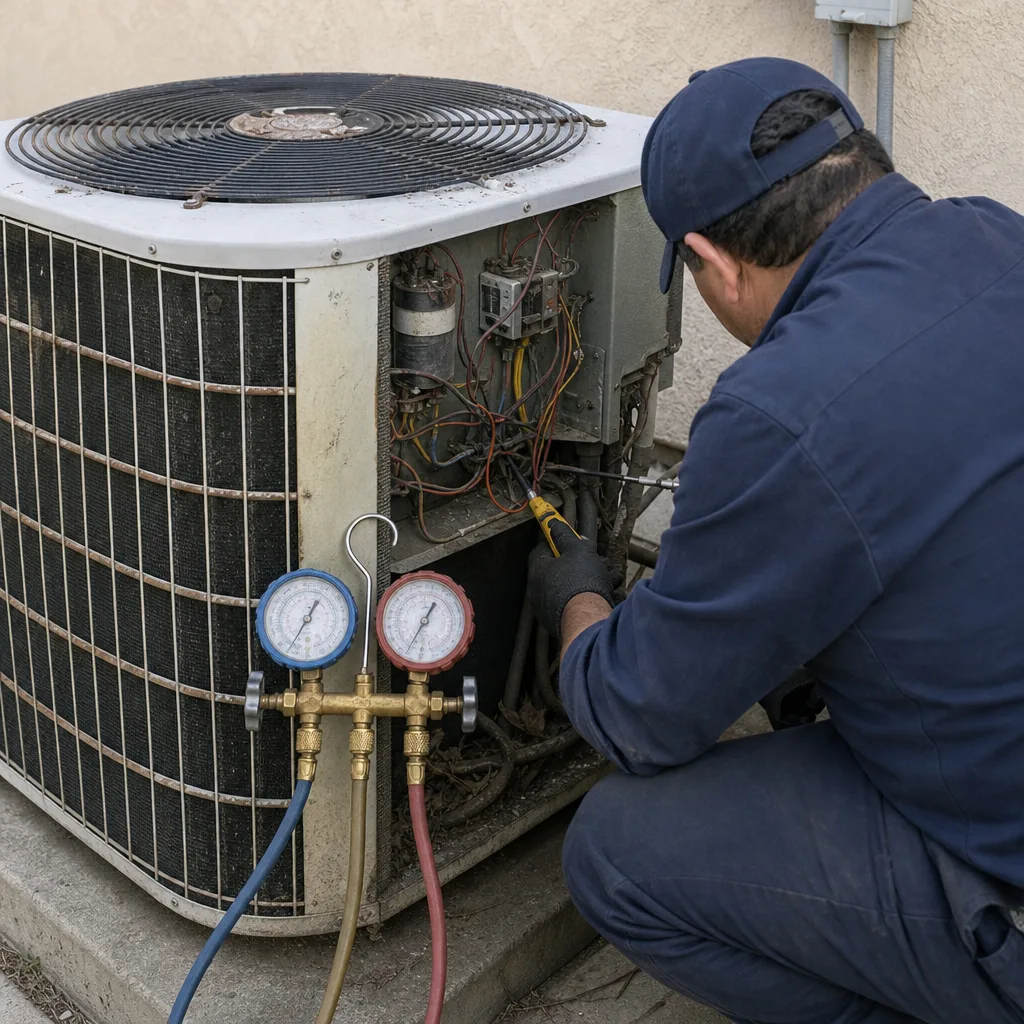 Before
 After
 Before
 After
 Before
 After