
Last updated November 14, 2026
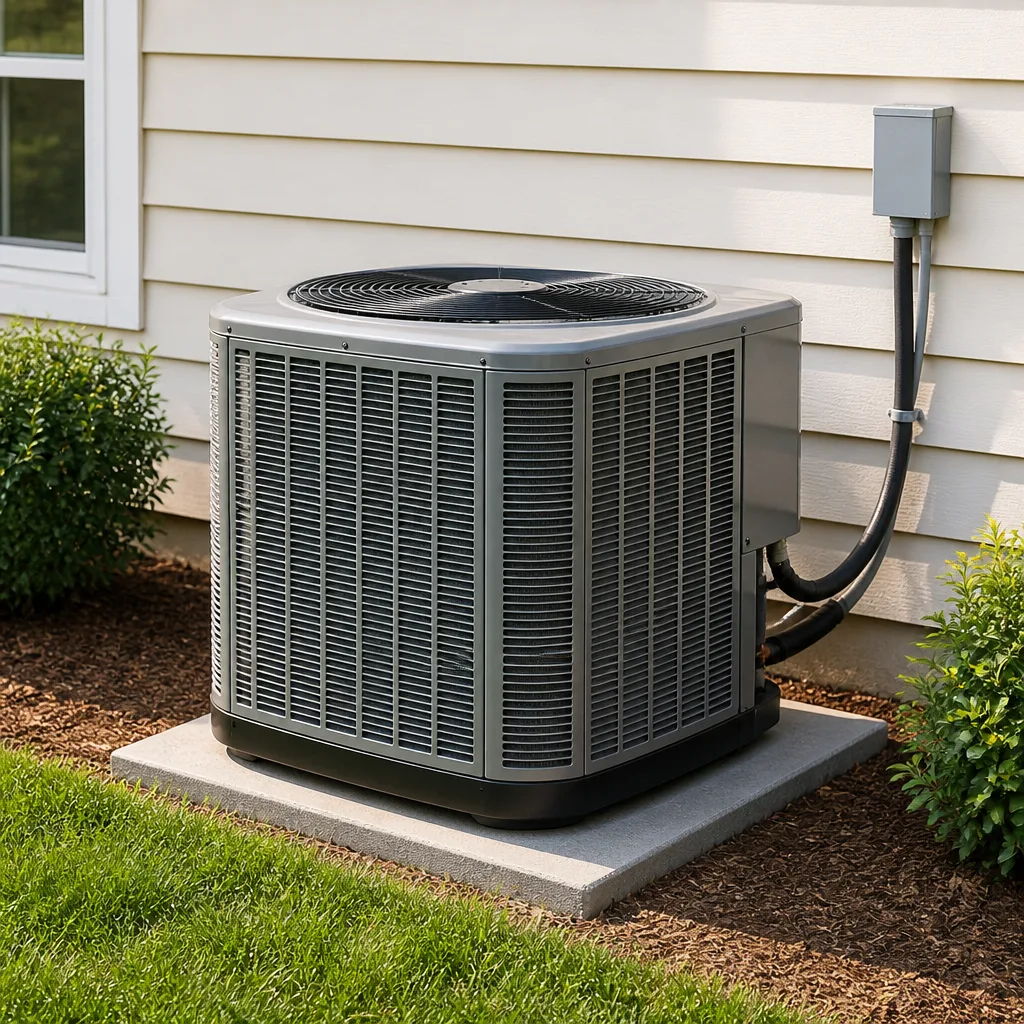 AC repair
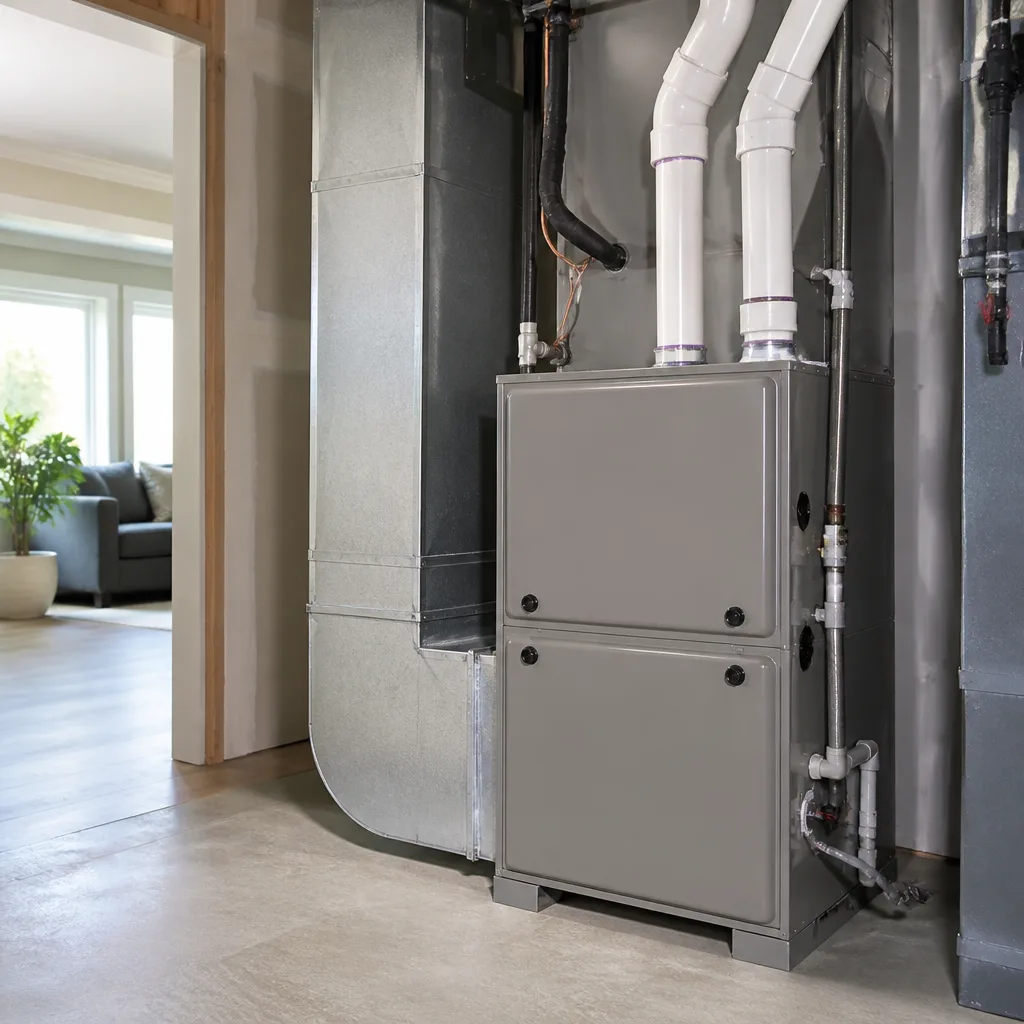 Furnace & heating
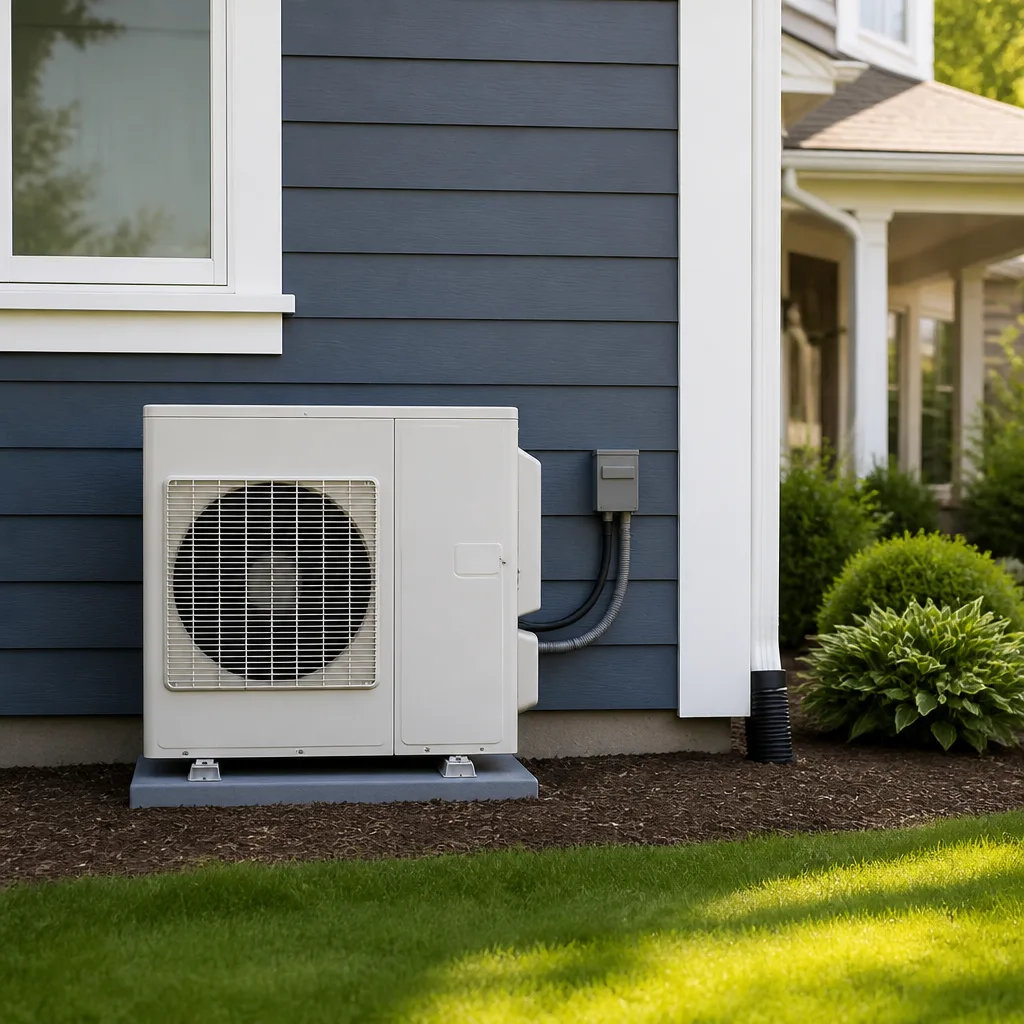 Heat pumps
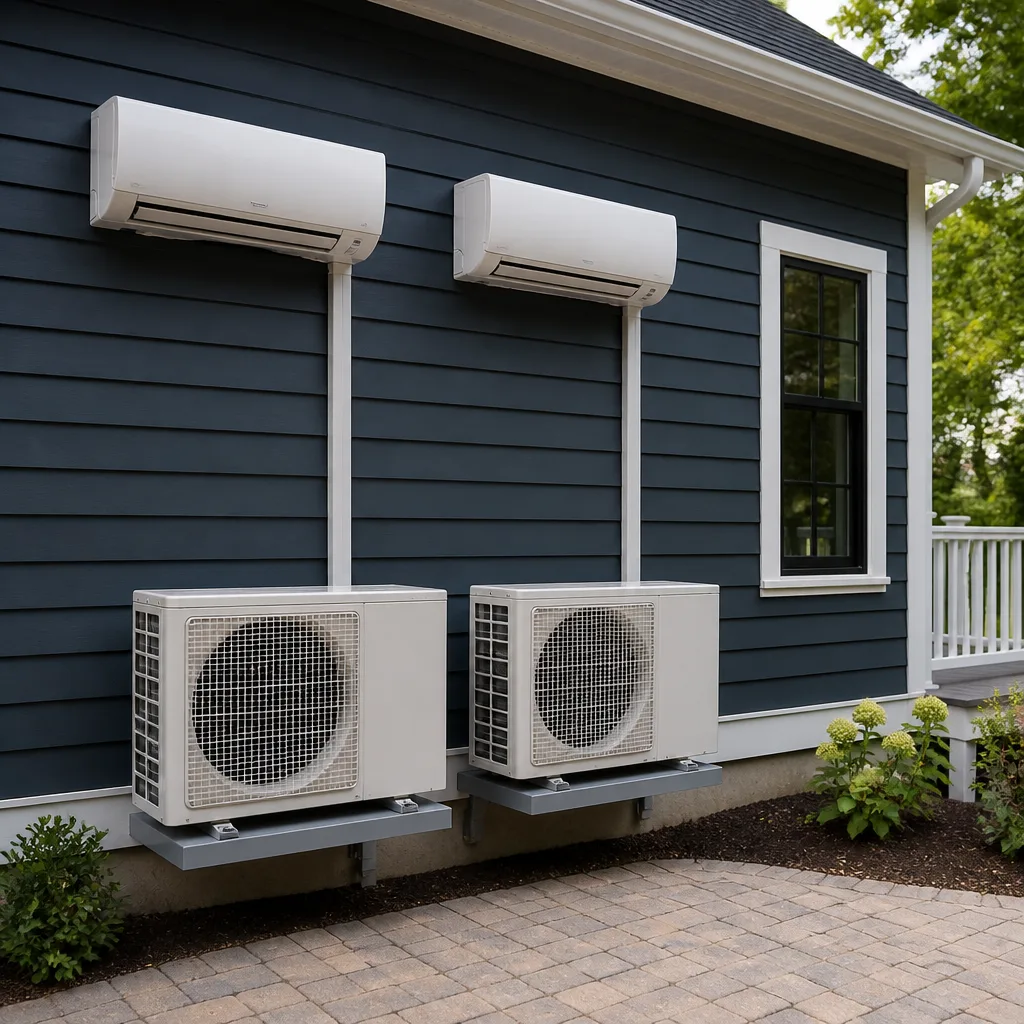 Ductless mini splits
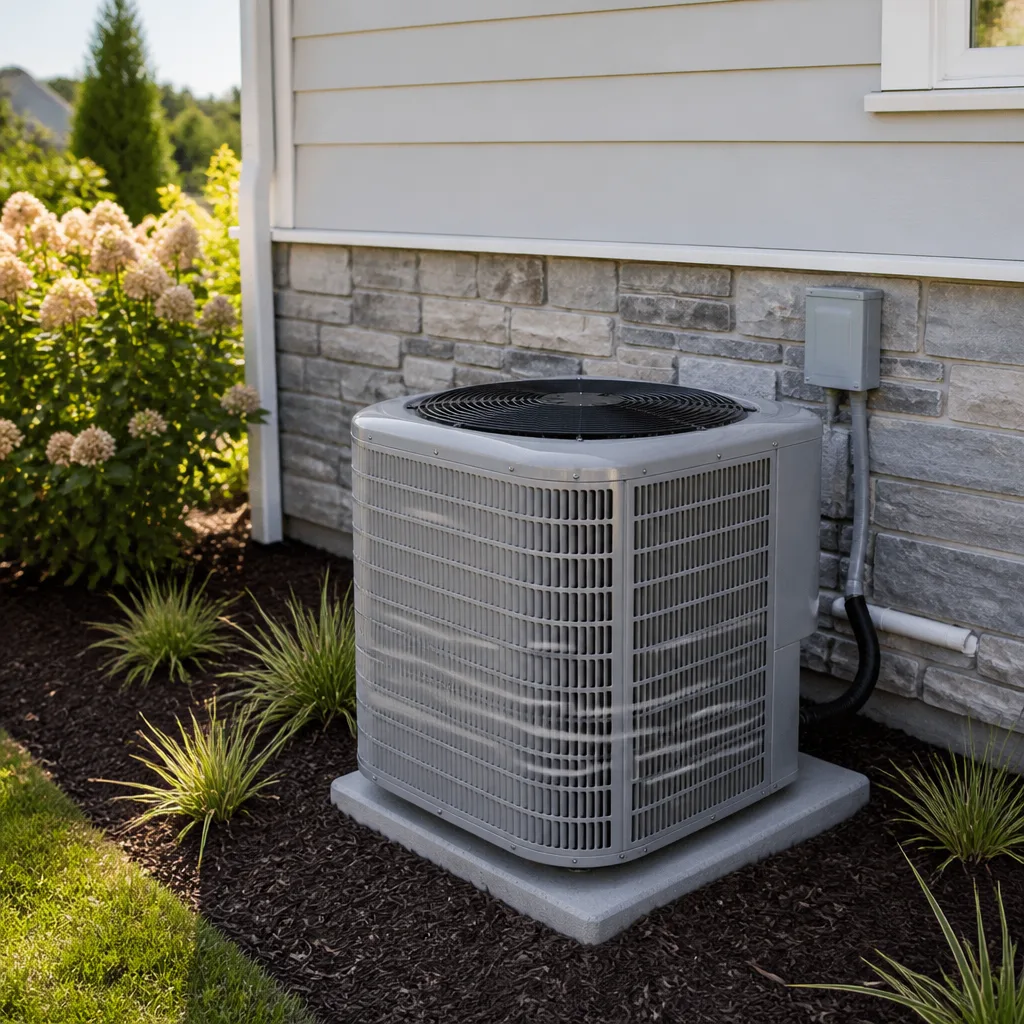 Carrier
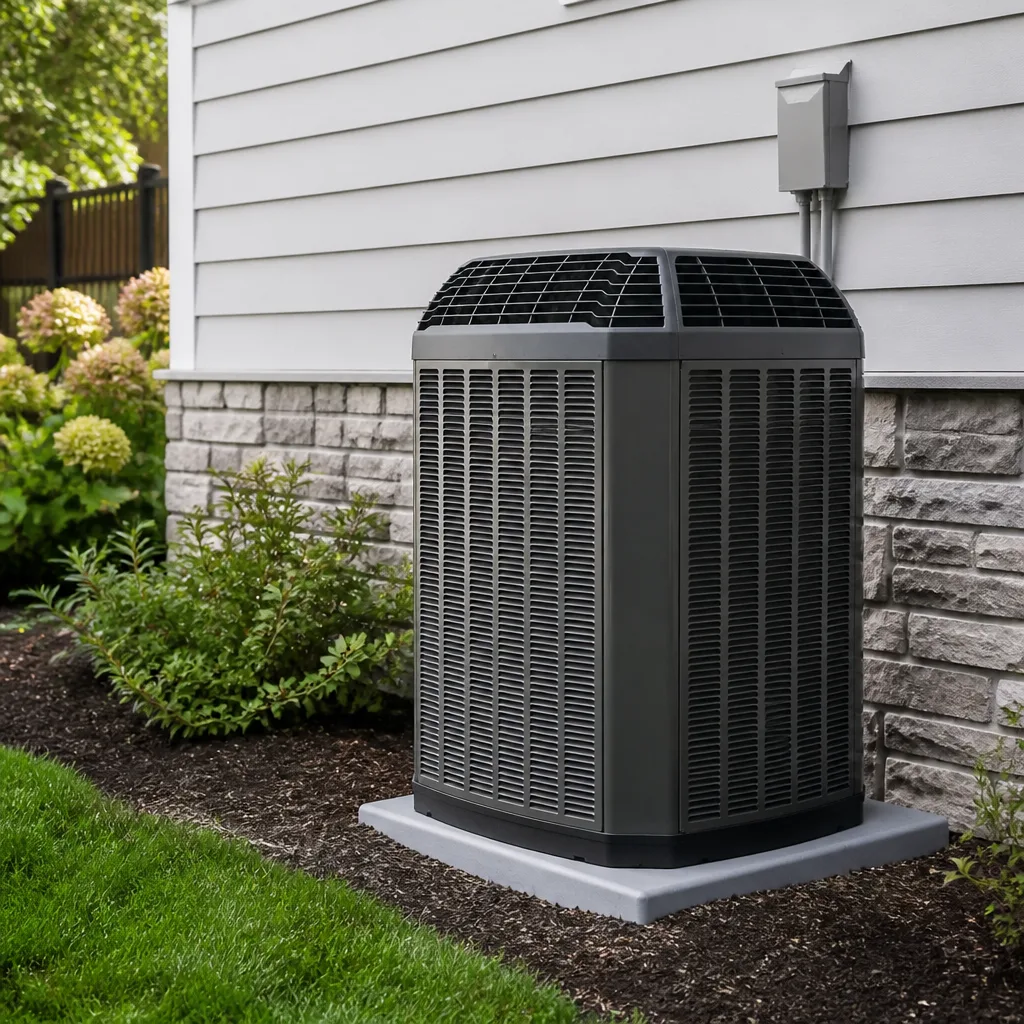 Trane
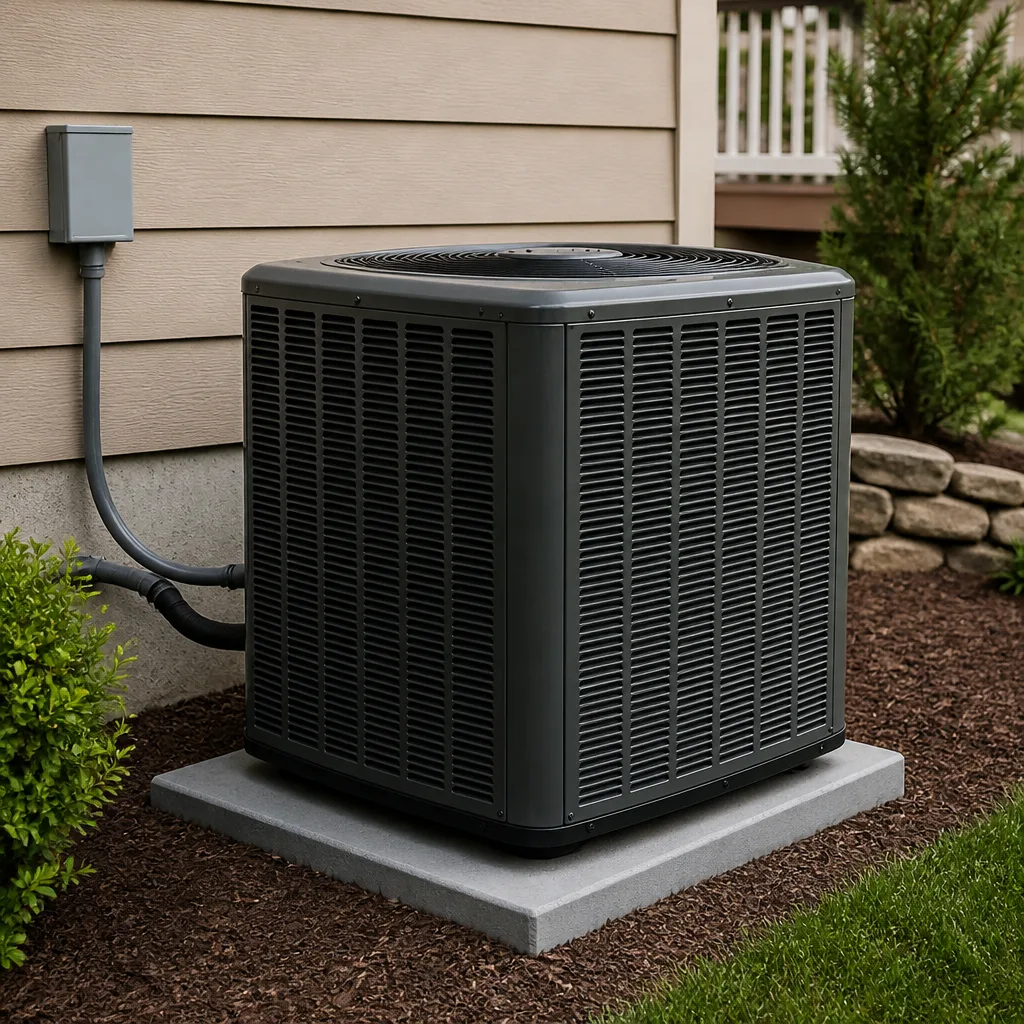 Goodman
Seasonal tune-up and full diagnostic on your Carrier, Trane, or Goodman system - readings shown to you before any repair is proposed
Diagnosis first, numbers second - you approve the repair price before a single part goes in.
Get your free estimateSeasonal HVAC Care for Downey: Year-Round Homeowner’s Guide
Most HVAC maintenance advice you’ll find online was written for a place with four even seasons. Downey isn’t that place. Our heating season runs about six weeks. Our cooling season, once you count the shoulder months when the marine layer burns off and temperatures jump unexpectedly, stretches close to eight months. If you’re splitting your care calendar 50/50 between heating and cooling, you’re working from the wrong map. This guide maps real HVAC care tasks to Downey’s actual weather calendar: the pre-cooling window in late winter, the in-season monitoring that keeps a system alive through a long dry summer, and the heating check nearly everyone skips until a furnace fails in December.
Quick Answer
Seasonal HVAC care in Downey follows a different calendar than most national checklists. The most important maintenance windows are February through March (pre-cooling prep), June through September (in-season monitoring), and October through November (the heating check that prevents winter breakdowns). Monthly filter changes and a pre-season professional visit bookend each window, and the furnace needs attention even though it runs for only a few weeks a year.
Styles & brands we work with
- AC repair
- Furnace & heating
- Heat pumps
- Ductless mini splits
- Carrier
- Trane
- Goodman
Table of Contents
- Why Downey’s HVAC Calendar Isn’t the Standard One
- February-March: Pre-Cooling Prep Before the Marine Layer Burns Off
- June-September: In-Season Monitoring and What to Leave to a Technician
- October-November: The Heating Check Everyone Skips
- Santa Ana Season: When 90°F October Days Hit an Unprepared System
- Brand-Specific Seasonal Notes: Lennox, York, and Goodman Furnaces
- The Downey HVAC Care Calendar at a Glance
- Filters, Airflow, and the Small Habits That Protect a Big Investment
Why Downey’s HVAC Calendar Isn’t the Standard One
Downey sits in the Los Angeles Basin’s southeast corner, inland enough from the coast that the “marine layer” – the low cloud deck that keeps coastal neighborhoods 10 to 15 degrees cooler in early summer – burns off by mid-morning most days. Once it does, temperatures climb and the air conditioning starts working. By the time most homeowners in colder parts of the country are firing up their furnaces for a long winter, a Downey home has run its AC for several months straight with no real break.
That imbalance has a specific consequence: the cooling side of a split system ages far faster than the heating side in terms of run hours. A furnace in Downey might log 60 to 100 hours of run time in a mild winter. The same home’s air conditioner may log 1,500 hours or more during a long summer. The compressor, condenser fan, and capacitor – the parts that fail under continuous load – carry the bulk of the wear.
Homeowners who follow maintenance advice built for a real winter often end up doing the reverse of what serves the system here. They think hard about their furnace because that’s what every checklist emphasizes, and they leave the AC to run untouched until something breaks on the hottest day of the year. In Downey, the priority is flipped. The AC deserves the attention, and the furnace deserves a check so the six weeks it does run don’t become an emergency call.
We work on the system you have, whether your home runs a Trane condenser or a Lennox furnace. That means we tailor seasonal care to the specific equipment in your home instead of handing you the same generic calendar. Our technicians have up to 12 years of experience diagnosing exactly these patterns across Downey, and for brand-specific AC repair we arrive already familiar with how your unit is built.
February-March: Pre-Cooling Prep Before the Marine Layer Burns Off
The first genuinely warm week in Downey usually arrives in late February or March, and it catches systems that have sat idle through January. That’s the prep window. Not June, when the AC is already under load. In late winter, before the first real cool-down demand of the year, a small amount of attention goes a long way.
Here’s what the pre-cooling prep actually involves:
- Change the air filter. A filter that sat through winter has collected dust and, in a dry season, pollen. A clogged filter restricts airflow and forces the blower to work harder than it should from day one.
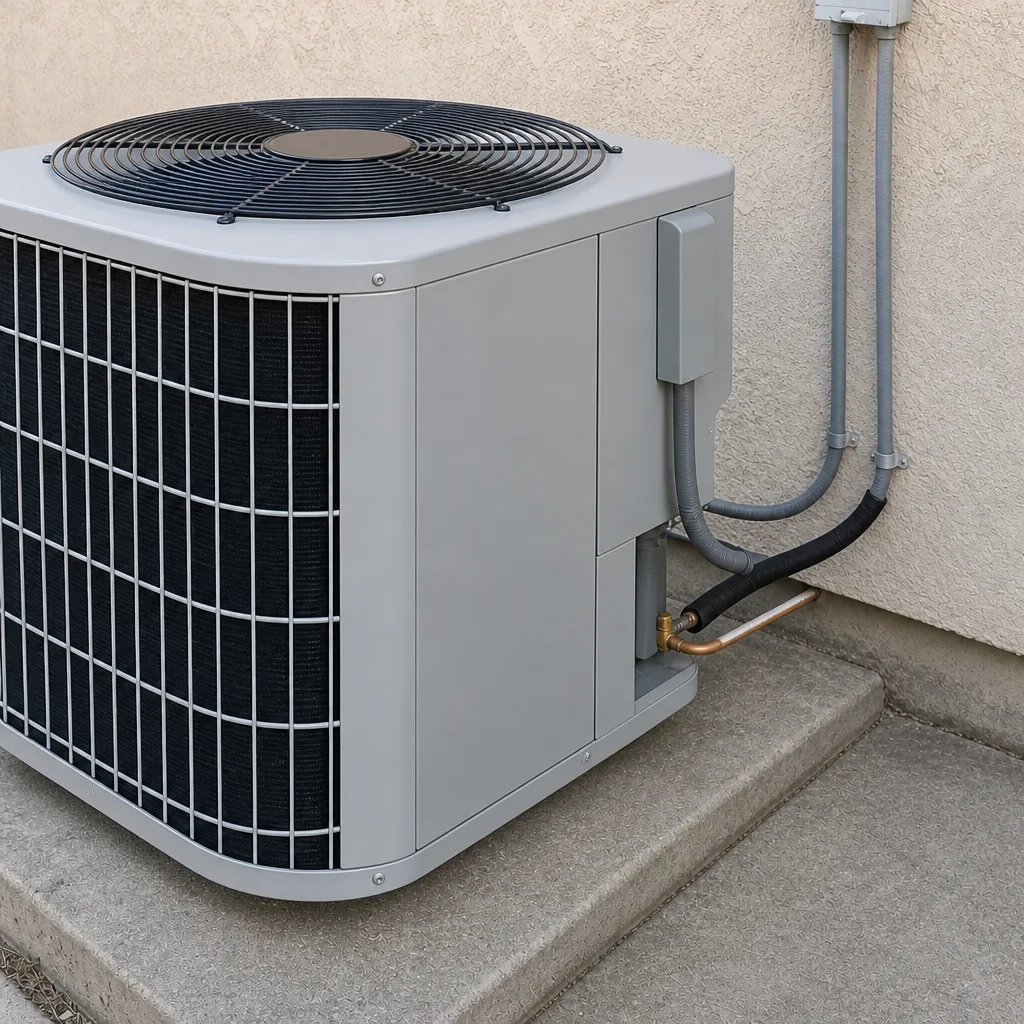
- Clear the outdoor condenser. Leaves, debris, and the dust that settles during a dry fall all collect around the outdoor unit. Clear the area around it so it can shed heat the way it’s designed to.
- Test the system on a warm afternoon. Run the AC for 20 to 30 minutes on a mild day before you need it. Listen for odd noises, check that cool air comes out of the vents, and watch for water pooling near the indoor air handler.
- Check the thermostat batteries and settings. A thermostat with weak batteries or a schedule that drifted since last summer can make a perfectly healthy system look broken.
- Schedule a professional inspection. A technician can check refrigerant levels, capacitor health, and electrical connections in a single visit – details a homeowner can’t reliably assess.
The February-March window matters because a home that runs its AC for eight months a year needs to start that stretch in good shape. A failing capacitor or low refrigerant charge doesn’t announce itself until the system is working hard. Finding it in March is a small fix. Finding it in July is a mid-summer emergency on the hottest week of the year. If your home needs a deeper look, our AC installation team can also assess whether the system is worth keeping ahead of a long summer.
June-September: In-Season Monitoring and What to Leave to a Technician
June through September is when a Downey AC actually earns its keep, and it’s also when most systems that are going to fail do fail. In-season care is mostly about monitoring – noticing problems early and not making them worse with well-intentioned tinkering.
Here’s the split: what to check yourself monthly, and what to leave to a technician.
What to check monthly
- The air filter. During peak season, a Downey filter can load up in four to six weeks. Change it on a schedule, not when you happen to remember.
- The outdoor unit. Clear any debris around the condenser and look for ice on the refrigerant lines. Ice on the lines usually means low refrigerant or a restricture – both need diagnosis, not a homeowner fix.
- Condensate drain. Look for standing water near the indoor air handler or a drain pan that’s filling. A clogged condensate line is one of the most common AC failures in dry, dusty climates.
- Airflow at the vents. Weak airflow from a register usually points to a filter issue, a duct problem, or a blower on the way out. It’s worth noting which vents feel weak and mentioning it when you call.
- Outdoor airflow sounds. A compressor that sounds louder than it used to, or cycles on and off rapidly, is a signal worth acting on early.
What to leave to a technician
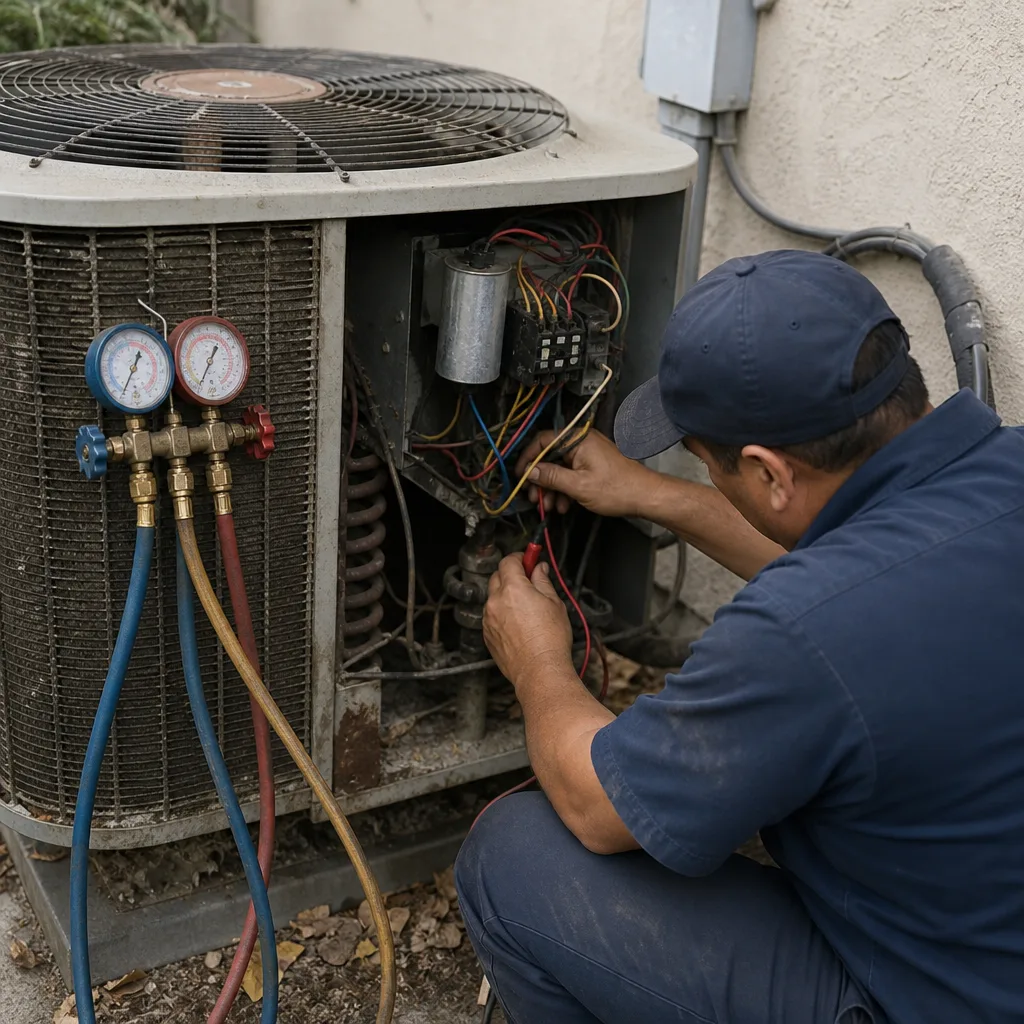
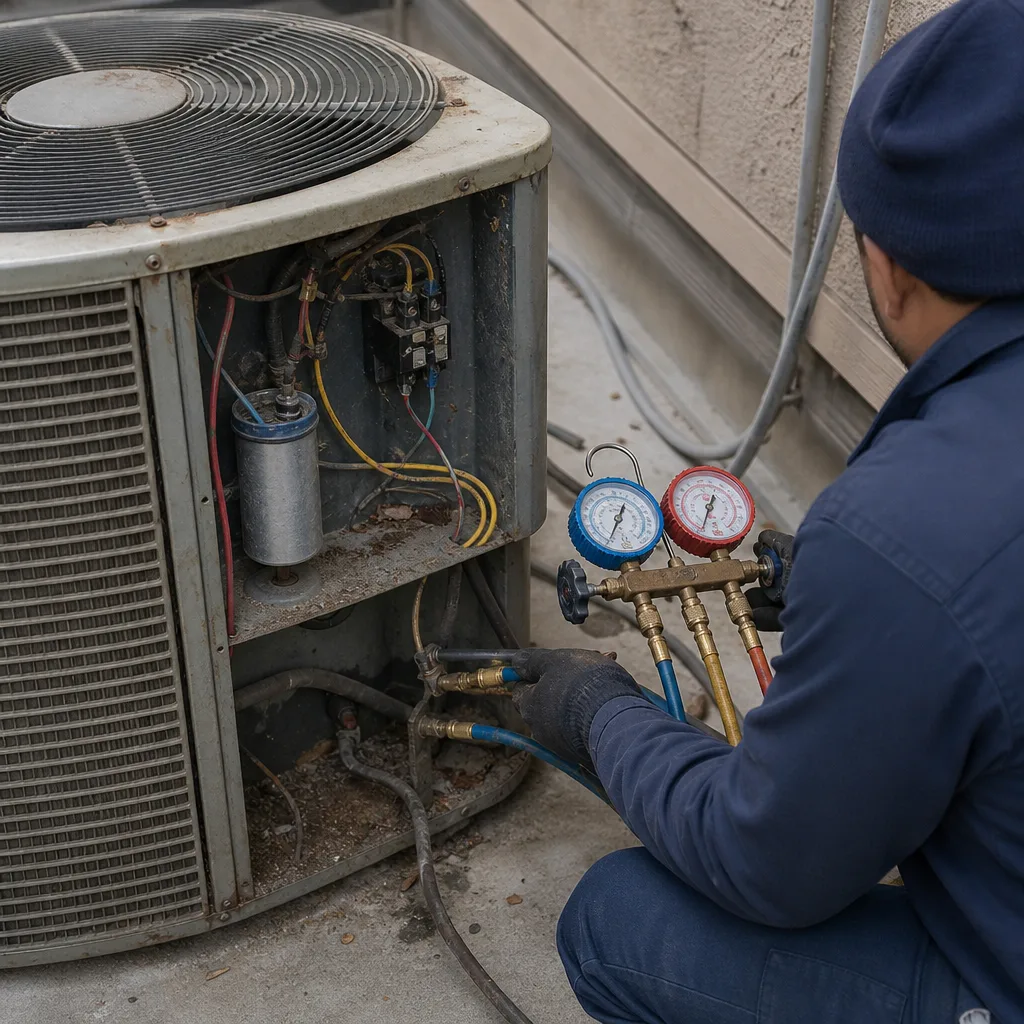
- Refrigerant checks and any refrigerant handling. Refrigerant is a regulated substance and diagnosing a charge issue requires gauges and training.
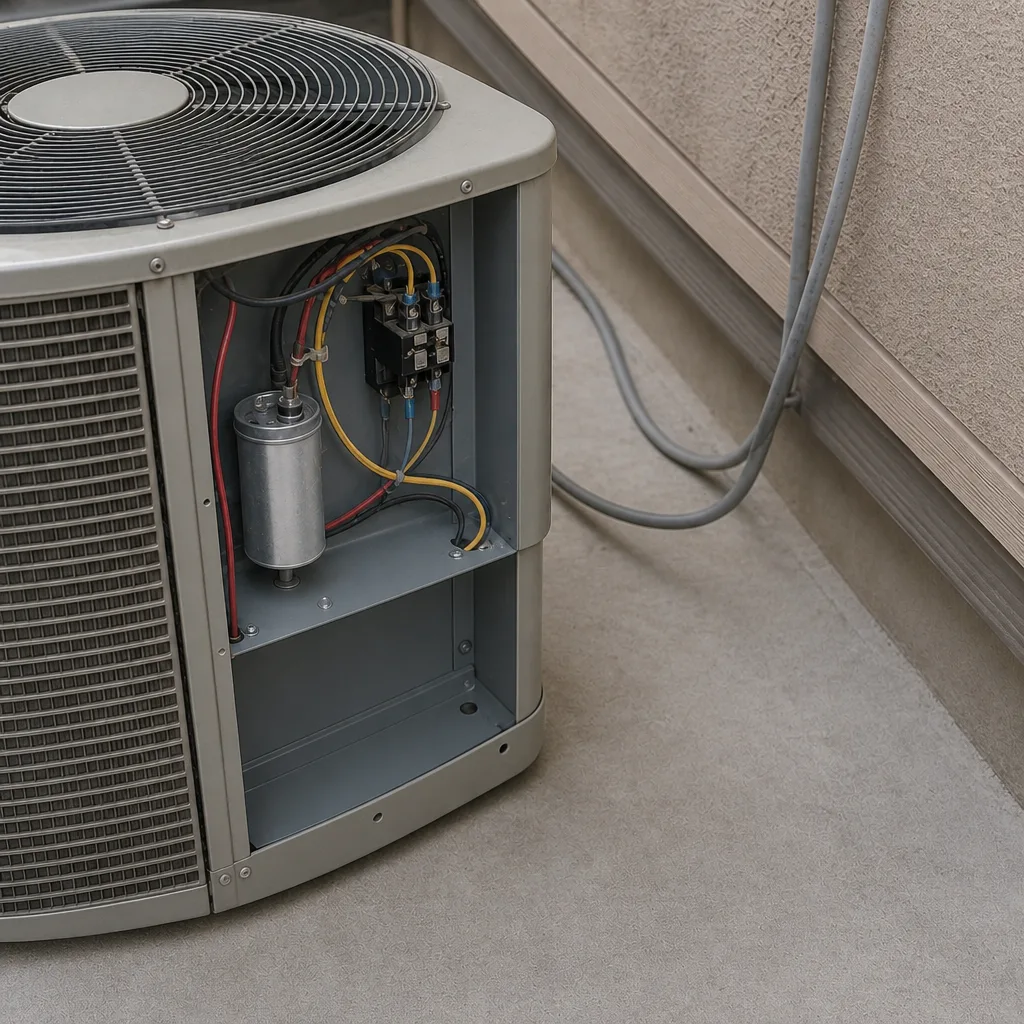
- Electrical work inside the condenser or air handler. The capacitors and contactors inside carry high voltage and can hold a dangerous charge even after the power is off.
- Compressor diagnostics and any part replacement that involves opening the sealed system.
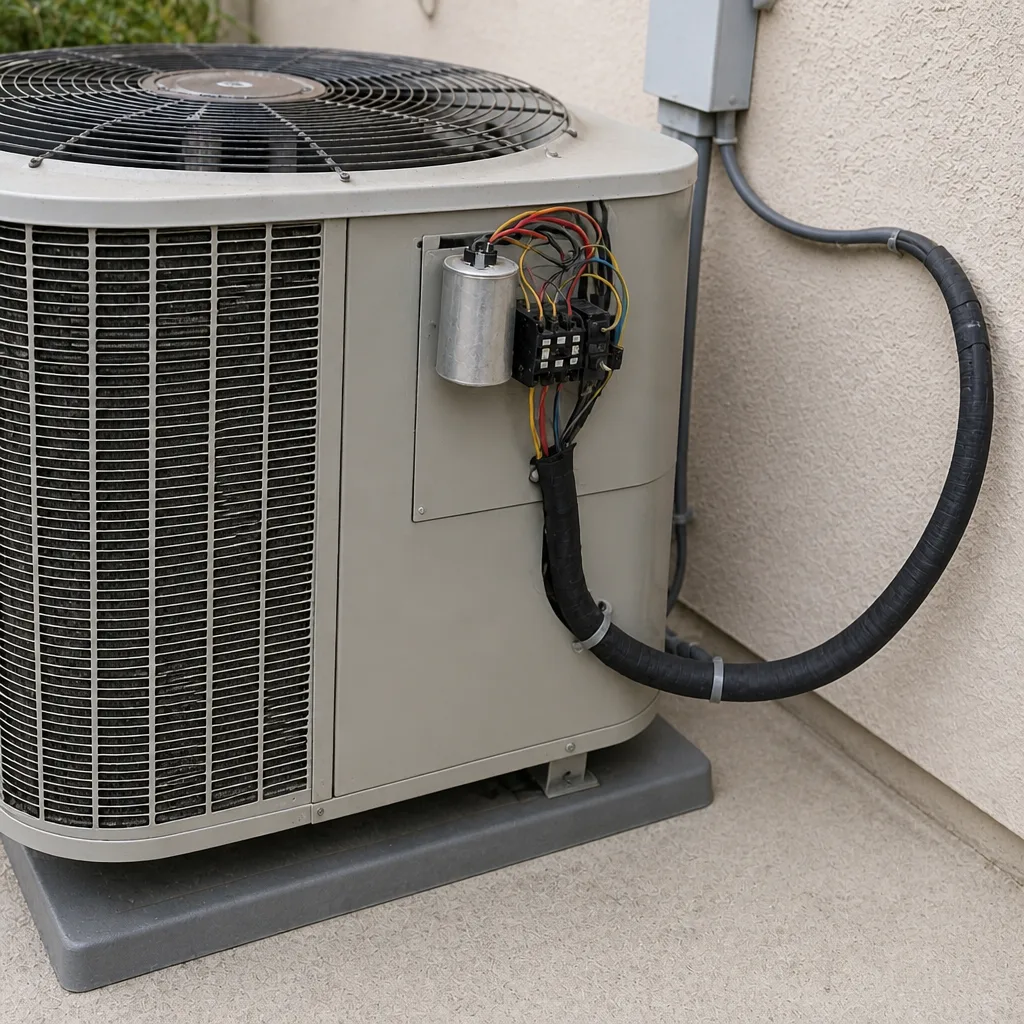
- Capacitor and contactor replacement – technically a small part, but a real electrical hazard without the right tools and training.
In our experience, the homeowner-side monitoring catches the easy stuff and flags the rest. A monthly five-minute walk-around of the system is genuinely useful. Anything that involves the electrical panel, the refrigerant circuit, or the sealed compressor is a job for a trained professional, full stop. A technician who’s spent years on the specific brands in your home will find the problem faster and safely. When a system does fail, our AC repair Downey service focuses on diagnosis first, then a clear recommendation.
October-November: The Heating Check Everyone Skips
Here’s the pattern that surprises a lot of Downey homeowners: a furnace that sat unused through nine warm months fails on the first genuinely cold morning. Not because furnaces are fragile, but because they sit idle long enough that small problems – a dust-caked igniter, a cobweb-clogged burner, a blower that hasn’t turned in months – go unnoticed until the heat is actually needed.
Downey’s heating season is short. Depending on the year, it’s roughly six weeks of meaningful cold, with the bulk of furnace run time falling between late November and January. That’s a small window to discover your furnace won’t fire. October and November is when the furnace check pays off, and it’s the check most homeowners skip because the weather is still warm and heat feels far away.
The heating check involves:
- A furnace “test fire.” Turn the thermostat to heat and let the furnace run through a complete cycle. Listen for the inducer fan, the igniter, and the burners lighting in sequence.
- Igniter inspection. The hot-surface igniter is a wear part. It’s inexpensive on its own but fails often, and different brands wear at different rates.
- Flame sensor cleaning. A dirty flame sensor causes the furnace to shut down shortly after lighting – a common and easily fixed failure.
- Filter replacement. The heating season uses the same filter as the cooling season. A clean filter protects the blower and helps the furnace run efficiently.
- Venting check. A furnace needs unobstructed venting. Blocked flues are a serious safety issue, and checking them is not a homeowner job.
If the furnace trips a breaker, makes a boom when it lights, or emits any gas smell, stop and call a technician. Gas and combustion are not a place for DIY diagnosis. One call covers your AC and your furnace with us – no second contractor needed. Our team handles furnace repair alongside our cooling work, which means a full split-system diagnosis happens in one visit.
Santa Ana Season: When 90°F October Days Hit an Unprepared System
Downey sees its share of Santa Ana wind events, and those events reshape the fall cooling picture. When a dry Santa Ana condition sets up in October, inland temperatures in Downey can climb into the 90s for several consecutive days – sometimes with very low humidity. An AC that assumed its season was over gets called back into full service for a week or two.
Two things make Santa Ana conditions harder on a system than an ordinary summer heat wave:
- Dry heat means more run time. Low humidity makes indoor comfort harder to reach, so the AC runs longer per cycle. A system that limped through August may find the October heat wave is the one it can’t keep up with.
- Dust and debris. Santa Ana winds push dry dust across the basin, and that dust collects on the condenser coil and loads filters faster. A filter that was fine in early October may be clogged by the time the hot week arrives.
The takeaway is simple. Don’t shut the cooling season down in September. Keep the AC ready for an October or even November heat wave, change the filter going into Santa Ana season, and don’t assume a system that ran fine in August will run fine through a dry October without attention. In our experience across Downey, the fall heat waves catch more systems than the peak-summer weeks do, because homeowners have mentally moved on.
Brand-Specific Seasonal Notes: Lennox, York, and Goodman Furnaces
Furnace igniter design and inspection timing vary between the brands we service, and it’s worth knowing which brand you own before you schedule a heating check. The three most common patterns we see on furnace igniter inspection are:
Lennox furnaces
Many Lennox residential furnaces use a silicon nitride igniter, which is more durable than older designs but still a wear part. Inspecting it before the first cold snap – in October, ideally – gives you time to replace it without a scramble. A silicon nitride igniter that fails at the start of the season leaves a furnace dead until the part arrives, so pre-season inspection pays off more than reactive repair.
York furnaces
York furnaces vary widely by model and vintage. Some use a hot-surface igniter, others use a spark-ignition design. Knowing which yours is determines what to inspect: spark igniters usually need a cleaner gap, and hot-surface igniters need a visual check for cracks. Inspecting before the heating season is the practical move either way, and having the model number on hand when you call speeds up diagnosis.
Goodman furnaces
Goodman furnaces are common in Downey homes and use hot-surface igniters in most configurations. The flame sensor tends to be the more frequent failure point than the igniter itself, and a dirty flame sensor causes a furnace to light and go out repeatedly – a pattern that can look like an igniter problem. A technician who knows Goodman units checks the sensor first, which saves the homeowner from replacing a part that’s fine.
Whatever brand you own, if it’s a Trane, Lennox, or Goodman system, or one of the other brands we specialize in, we’re certified to diagnose and service it directly. You don’t get a technician who’s learning your equipment on the job. We specialize in HVAC and nothing else, so every visit is an HVAC visit.
The Downey HVAC Care Calendar at a Glance
Here’s the whole year on one page, in the order tasks should happen for a Downey home:
- February-March: pre-cooling prep. Filter change, condenser clearing, thermostat check, and a professional inspection of refrigerant and electrical components before the first warm stretch.
- April-May: early cooling monitoring. Monthly filter changes and a walk-around of the outdoor unit. Watch airflow and condensate.
- June-September: in-season monitoring. Monthly filter changes, drain checks, and prompt action on any unusual noise or airflow issue. No homeowner servicing of refrigerant or electrical parts.
- October-November: heating check. Furnace test-fire, igniter and flame sensor inspection, venting check, and updated filter going into the cold season.
- Late-October-November: Santa Ana readiness. Fresh filter, cleared condenser, and confirmation the cooling system is ready for a dry heat wave.
- December-January: heating season. Address any heating issues quickly – the run window is short and a mid-January failure is a genuine comfort problem.
This is the calendar we’d hand to any Downey homeowner who asked how to care for their system. It’s not the same as the calendar you’ll find on most HVAC maintenance pages, because Downey isn’t most climates. If you have questions about specific timing for your home, our Downey page is a good place to start.
Filters, Airflow, and the Small Habits That Protect a Big Investment
The lowest-cost, highest-return seasonal care task in Downey is the air filter. The average homeowner under-filters their system because the filter is out of sight and the system still “works.” But a clogged filter is a slow tax on every part of the system. The blower works harder, the evaporator coil collects dust, the compressor runs longer per cycle, and over time, the efficiency loss adds up.
How often should you actually change it in Downey?
- Standard 1-inch fiberglass filters: every 30 days during peak cooling months, every 60 to 90 days during the heating season.
- Pleated 1-inch filters (MERV 8-11): every 60 to 90 days, more often if you have pets or a dusty home.
- Thick media filters or filter cabinets: follow the manufacturer’s interval – usually six to twelve months, but check monthly during peak season since a small filter can clog faster than expected.
Two other habits worth building into the year: keep the outdoor condenser clear of landscaping and debris year-round, and note the model number and install date of your system somewhere you’ll find it. Both make any future service visit faster and easier. Our technicians have up to 12 years of experience across these systems, and having the model ready shortens every diagnosis.
Common Mistakes to Avoid
- Treating Downey’s climate as if it has four even seasons. A 50/50 heating and cooling checklist wastes attention on the furnace and shortchanges the AC. The cooling side needs more care, not less, because it runs far more hours.
- Skipping the fall heating check because October is warm. The furnace needs attention in October, before the first cold morning. Waiting until the heat won’t come on turns a small fix into a cold-weather emergency.
- Leaving the system untouched from September to June. The AC needs an in-season check early and a mid-season filter change. A system left alone through a Santa Ana September or October can fail exactly when it’s needed.
- Ignoring the condensate drain. In dry, dusty Downey, a clogged condensate line causes water damage inside the air handler and looks like a major failure. Checking the drain monthly is one of the highest-value five-minute tasks.
- Replacing parts before diagnosing them. A furnace that won’t light is not automatically an igniter problem. On Goodman and York units in particular, a dirty flame sensor can masquerade as a bad igniter. Diagnosis first.
- Trying to service the refrigerant circuit yourself. Refrigerant handling is regulated and dangerous. A homeowner cannot remedy a low charge with a can from a hardware store – and the attempt often causes more damage than the original problem.
- Following generic brand advice without checking the model. York, Lennox, and Goodman furnaces have different igniter styles. What’s true of one brand’s furnace may not be true of yours. Confirm the model before acting.
See the difference
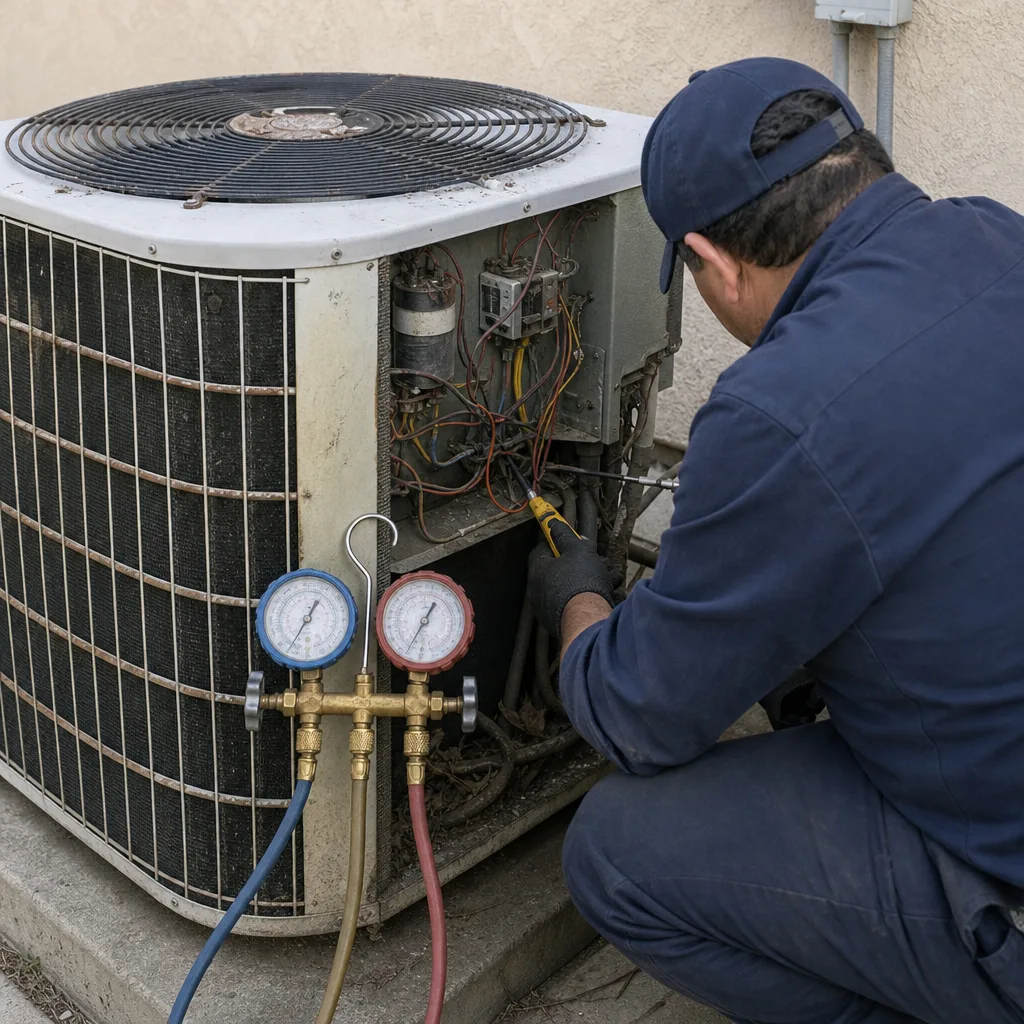 Before
 After
 Before
 After
 Before
 After
When to Call a Professional
Some seasonal care is homeowner work; some genuinely isn’t. Call a professional when your AC stops cooling, when the outdoor unit trips a breaker or makes unusual electrical noises, when there’s ice on the refrigerant lines, when water is pooling near the indoor air handler, or when the furnace won’t light, cycles on and off repeatedly, or shows any sign of gas smell or abnormal flame. Those scenarios are outside the range of homeowner servicing and reward a fast, correctly diagnosed repair.
AC Repair Downey offers free estimates in Downey – call (855) 677-0314. We answer 24/7. Fast dispatch from 7am to 7pm, Sunday through Friday. Same-day service is available for repair calls, and our technicians are certified across nine major brands, including the Carrier, Trane, Lennox, Goodman, Rheem, York, Daikin, Bryant, and American Standard systems we see in Downey homes.
Frequently Asked Questions
Twice a year: once in February or March before cooling season and once in October or November before the short heating season. Between professional visits, change the filter monthly during peak cooling and check the condensate drain on the same schedule. Downey’s long cooling season makes the pre-cooling visit the more important of the two.
Yes. Downey’s heating season is short, but a furnace that won’t light on the first cold morning of the year still needs a repair, and the fix is easier in October than in December. A fall test-fire catches igniter and flame-sensor problems before they become a heating emergency. Call (855) 677-0314 for a free estimate.
Yes. A system that handled August can still fail in an October Santa Ana event because the heat wave is dry and the run time per cycle is longer. Change the filter and clear the outdoor condenser going into fall, and don’t assume the season is over until the weather says so.
We service nine major residential brands, including Trane, Lennox, Goodman, and Rheem systems, along with Carrier, York, Daikin, Bryant, and American Standard. That means a technician arrives already familiar with your specific model and doesn’t learn your equipment on the job. Call (855) 677-0314 with your model number and we’ll confirm coverage.
We don’t quote inspection prices over the phone because the estimate is per job, and it depends on what your system needs. What we do give: a written estimate before any work begins, and free estimates across Downey. Call (855) 677-0314 to schedule and get your exact pricing.
Turn off the thermostat and call us. A no-light furnace is usually a flame sensor, igniter, or gas supply issue, and it needs diagnosis – not a homeowner fix. Our team handles furnace repair alongside AC work, so we can diagnose your full split system in one visit. Call (855) 677-0314.
The Bottom Line
Downey’s HVAC calendar is skewed toward cooling, and the home care schedule should be too. The two dates that matter most are February-March (before cooling season kicks in) and October-November (before the short, sharp heating season). Filter changes monthly in summer, a condensate drain check on the same rhythm, and one professional visit per season cover the bulk of what a Downey home needs. The furnace matters less on hours but just as much on timing; a fall check in October prevents December surprises. And Santa Ana season isn’t an afterthought – a dry 90°F October week tests a system as much as August does. Get the calendar right and the equipment takes care of itself. For questions specific to your system, we’re reachable through that one number below.
Ready for a seasonal inspection on your Downey home? Call (855) 677-0314 for a free estimate. We answer 24/7. Fast dispatch from 7am to 7pm, Sunday through Friday. One call covers your AC and your furnace, and our technicians arrive familiar with the specific brand and model you own, whether it’s a Trane, a Lennox, a Goodman, or any of the other major brands we service. Straight answers, fixed pricing by written estimate, and a technician who knows your equipment instead of learning it on the job.
Written by the team at AC Repair Downey.