
Last updated November 14, 2026
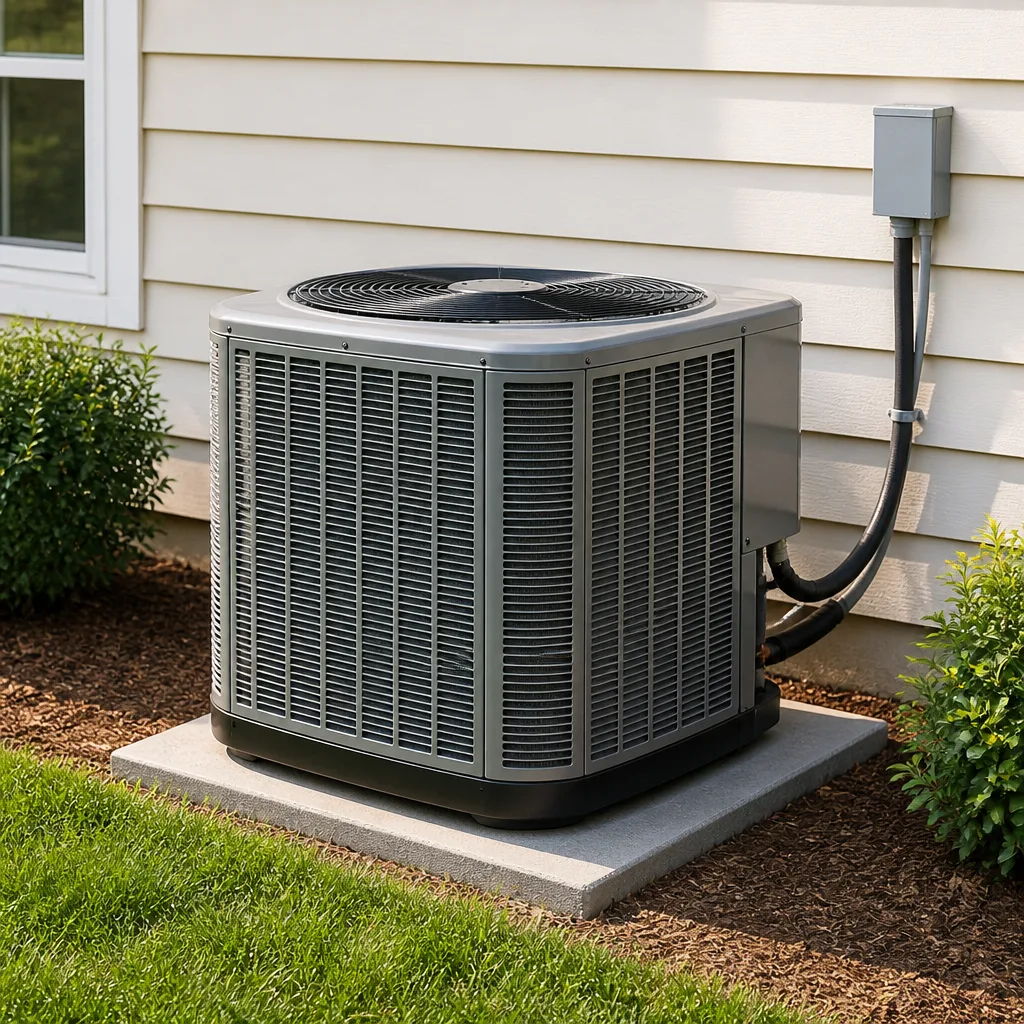 AC repair
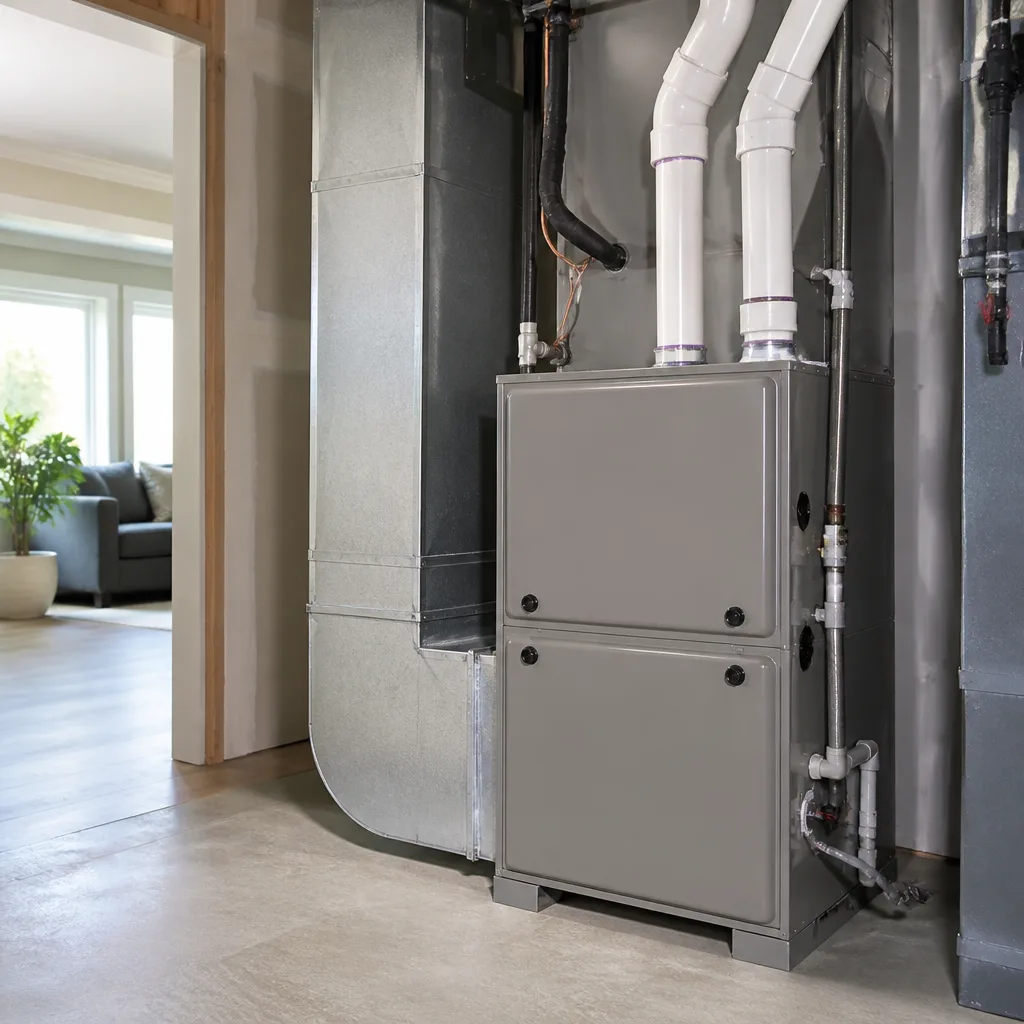 Furnace & heating
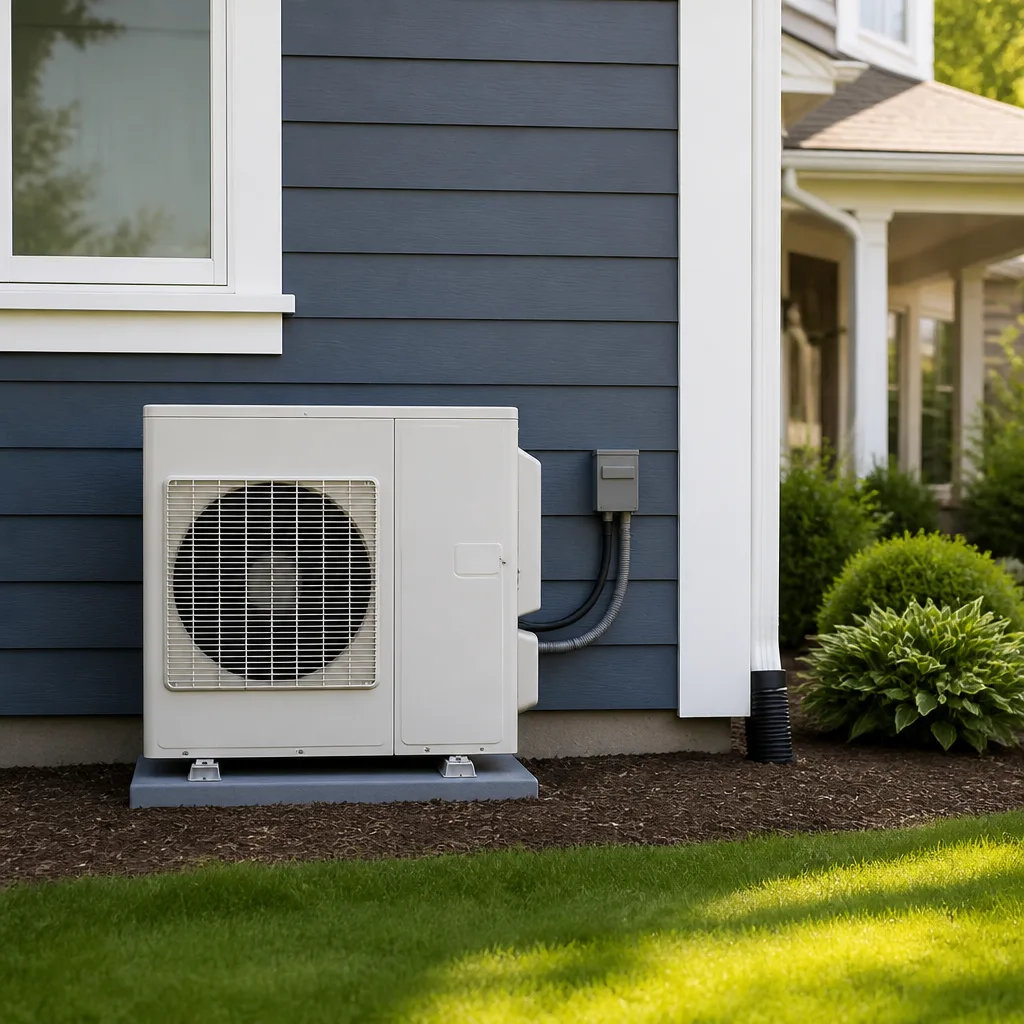 Heat pumps
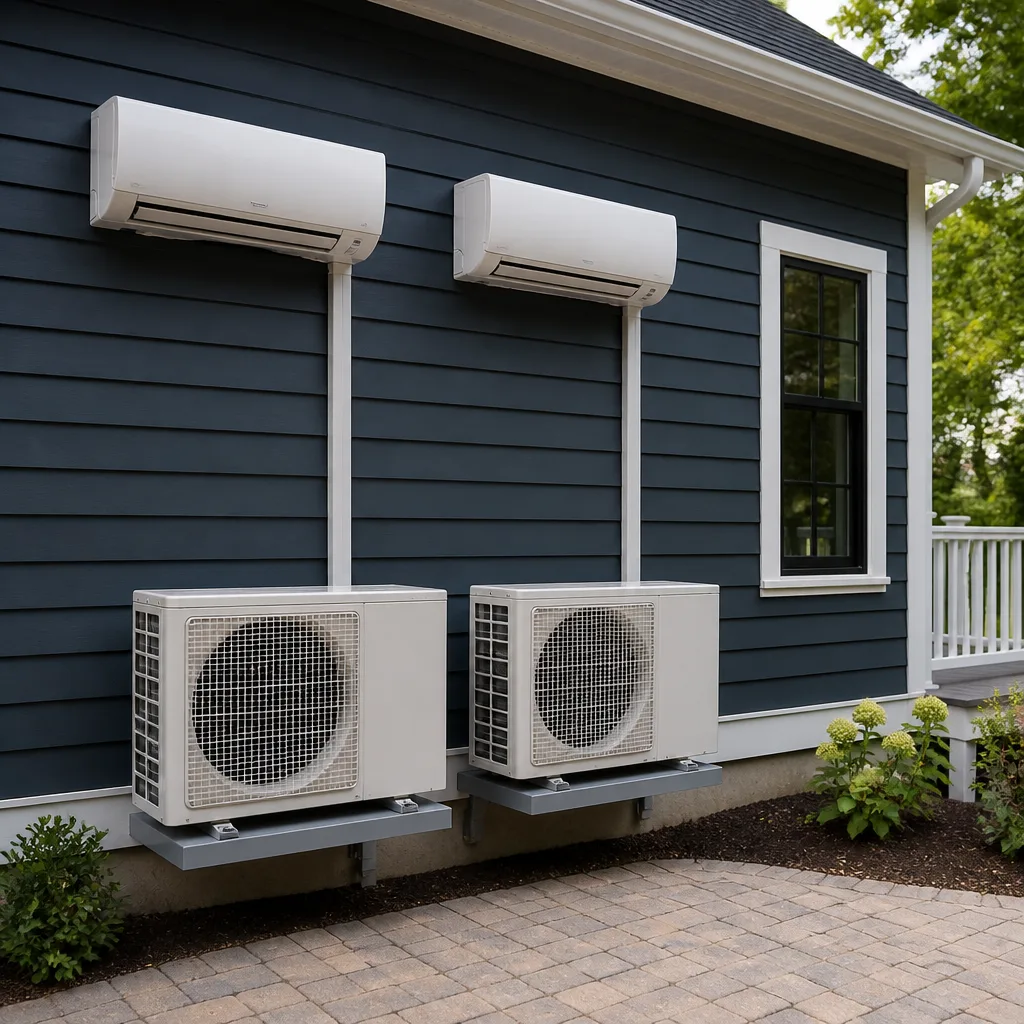 Ductless mini splits
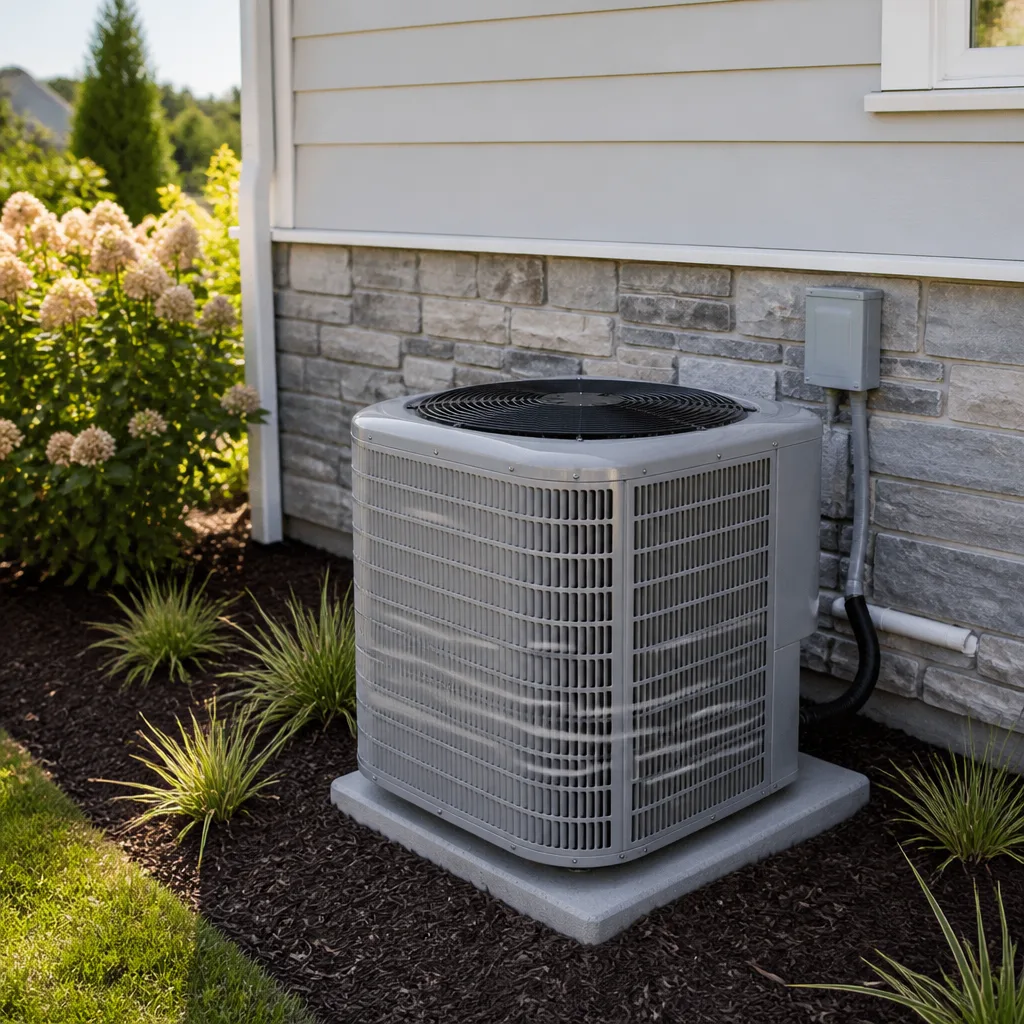 Carrier
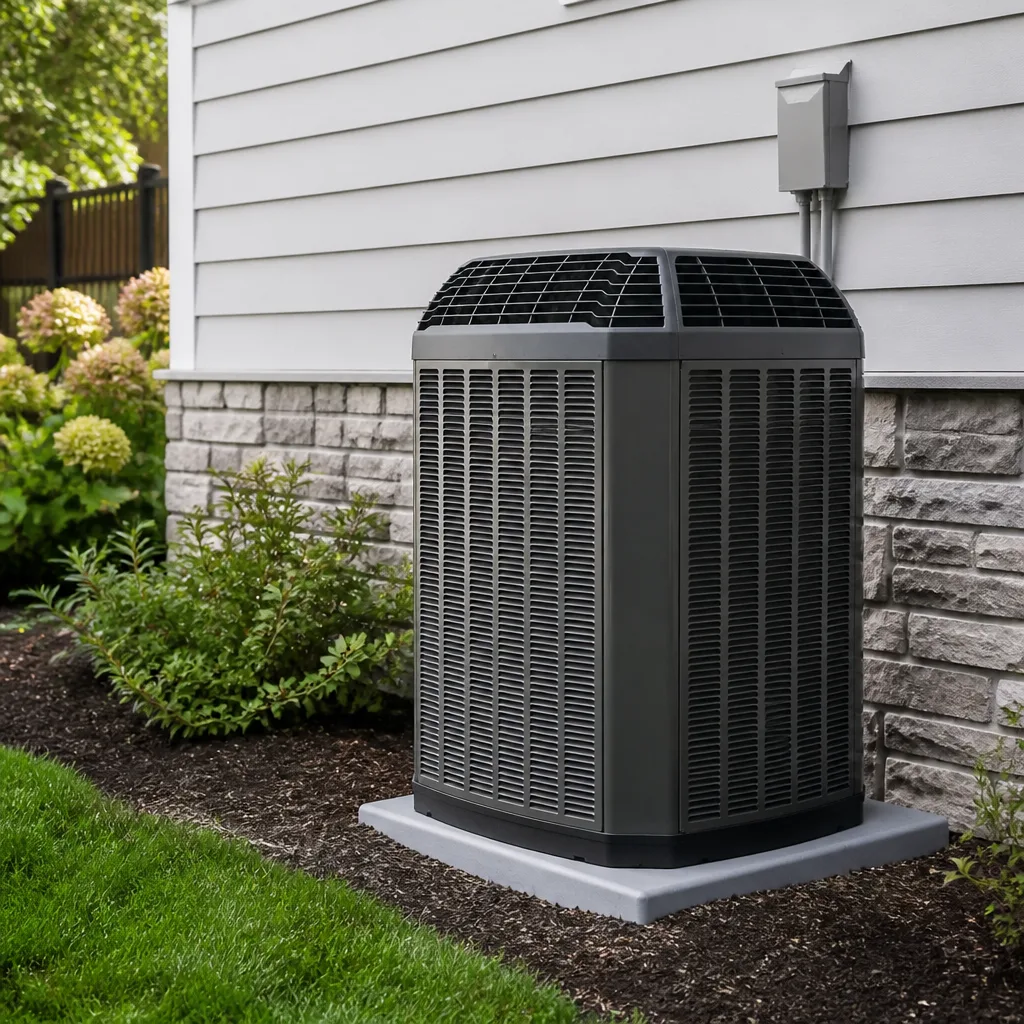 Trane
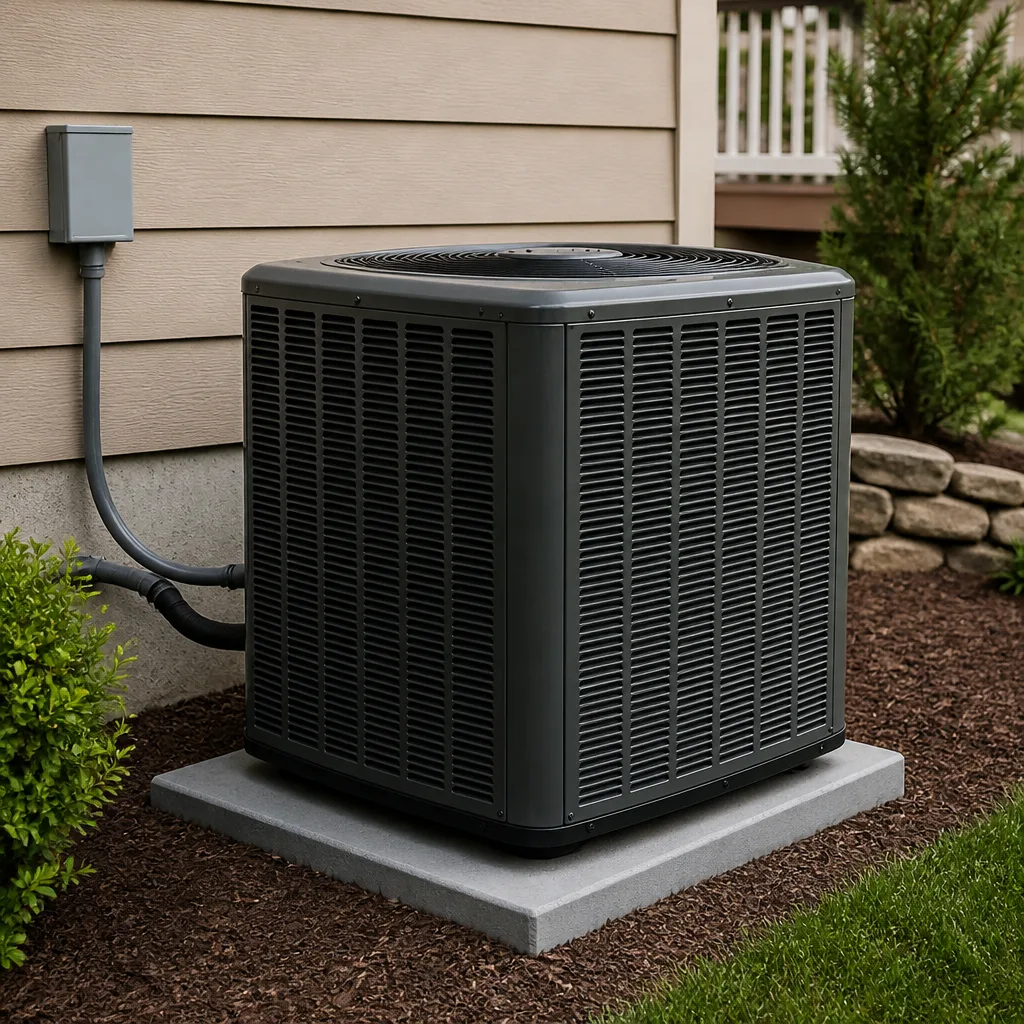 Goodman
Seasonal tune-up and full diagnostic on your Carrier, Trane, or Goodman system - readings shown to you before any repair is proposed
Diagnosis first, numbers second - you approve the repair price before a single part goes in.
Get your free estimateHVAC Emergency Preparedness Guide for Downey Homes
Most Downey homeowners treat an HVAC failure as a scheduling problem. It isn’t. During a Santa Ana wind event, when hot, dry air pushes through the Los Angeles Basin and overnight temperatures stay high, a broken air conditioner in a home with an elderly parent or an infant turns into a health question within hours, not days. The gap between “the AC quit” and “a technician is at the door” is the part you control, and almost nobody plans for it. This guide covers the one-page equipment card, the thirty-minute checks worth doing before you call, the window unit contingency that actually works in Downey’s housing stock, and the temperature thresholds that should change your decision. You’ll finish with a written plan.
Quick Answer
An HVAC emergency plan for a Downey home comes down to three things done before the system fails: a one-page reference card listing your equipment’s model, serial, refrigerant type, filter size and warranty date; a staged cooling backup sized for one room; and a contractor you’ve already confirmed handles real dispatch, not just a phone line. During peak heat, non-emergency service queues in the Downey area can stretch for days. Homes with a plan get through it; homes without one improvise during the worst window to improvise.
Styles & brands we work with
- AC repair
- Furnace & heating
- Heat pumps
- Ductless mini splits
- Carrier
- Trane
- Goodman
Table of Contents
- Build Your One-Page Equipment Reference Card
- The First 30 Minutes of a System Failure
- Staging a Cooling Contingency for Downey Layouts
- How to Confirm Real Emergency Dispatch
- Vulnerable Household Protocols and Temperature Thresholds
- Why Santa Ana Events Hit Downey Differently
- Don’t Forget the Heating Half of Your System
- Common Mistakes to Avoid
Build Your One-Page Equipment Reference Card
A one-page equipment card is the single highest-value thing you can do for your HVAC system, and it takes about twenty minutes. Write down, photograph, or type the following for both your outdoor condenser and your indoor air handler or furnace. Keep one copy on the refrigerator and one photo in your phone.
- Brand and model number. The data plate on the outdoor unit lists both. Whether your home runs a Bryant or an American Standard, the model number tells a technician the tonnage, the efficiency tier, and the generation of the equipment.
- Serial number. This is what identifies the manufacture date and, in many cases, whether a part is still under the manufacturer’s warranty.
- Refrigerant type. R-410A and R-22 are the two you’ll see in most Downey homes. R-22 systems are older and the refrigerant is no longer produced domestically, which affects repair options. Knowing this before a call saves the technician a trip and saves you a surprise.
- Filter size. Measure the actual filter, not the slot. A nominally “20×25” filter can measure 19.5 x 24.5. Write the exact size so anyone in the household can buy the right one.
- Warranty expiration. Note the manufacturer’s parts warranty end date and any labor warranty you were given at installation.
- Installation date and contractor. If you know them. If not, leave the line blank and fill it in on the next service visit.
Why bother? Because when you call during a heat wave, the person on the phone can tell immediately whether you need a technician with specific brand experience or a general diagnostic. Whether your home runs a York or a Daikin, the model and serial numbers cut the diagnostic window. For Downey homes with older equipment, the refrigerant type alone can change what a technician brings to the job. We’ve seen calls resolved faster simply because the homeowner had the data plate photo ready.
Our technicians have up to 12 years of experience across nine of the most widely installed residential brands, including Carrier, Trane, Lennox, Goodman, Rheem, York, Daikin, Bryant and American Standard. That brand familiarity is why the card matters: it lets the person dispatching match your equipment to the technician who knows it. For a broader look at how repairs are handled, see ac repair downey.
The First 30 Minutes of a System Failure
Before you call anyone, run these checks. In our experience, a meaningful share of “emergency” calls resolve with one of them. Not all, and not even most, but enough that skipping them wastes your time and the technician’s.
The five-minute reset sequence
- Check the thermostat. Confirm it’s set to COOL, the fan is on AUTO, and the setpoint is below room temperature. A bump against the wall or a battery failure resets these settings more often than homeowners expect.
- Change or inspect the filter. A filter loaded with dust restricts airflow and can freeze the indoor coil or trip the system on high-head-pressure. If it’s gray and matted, replace it. This alone brings back a surprising number of systems.
- Check the breaker. Find the circuit breaker for your outdoor unit and your air handler. If either has tripped, reset it once. If it trips again immediately, stop and call a professional. A breaker that won’t hold indicates an electrical fault that needs diagnosis.
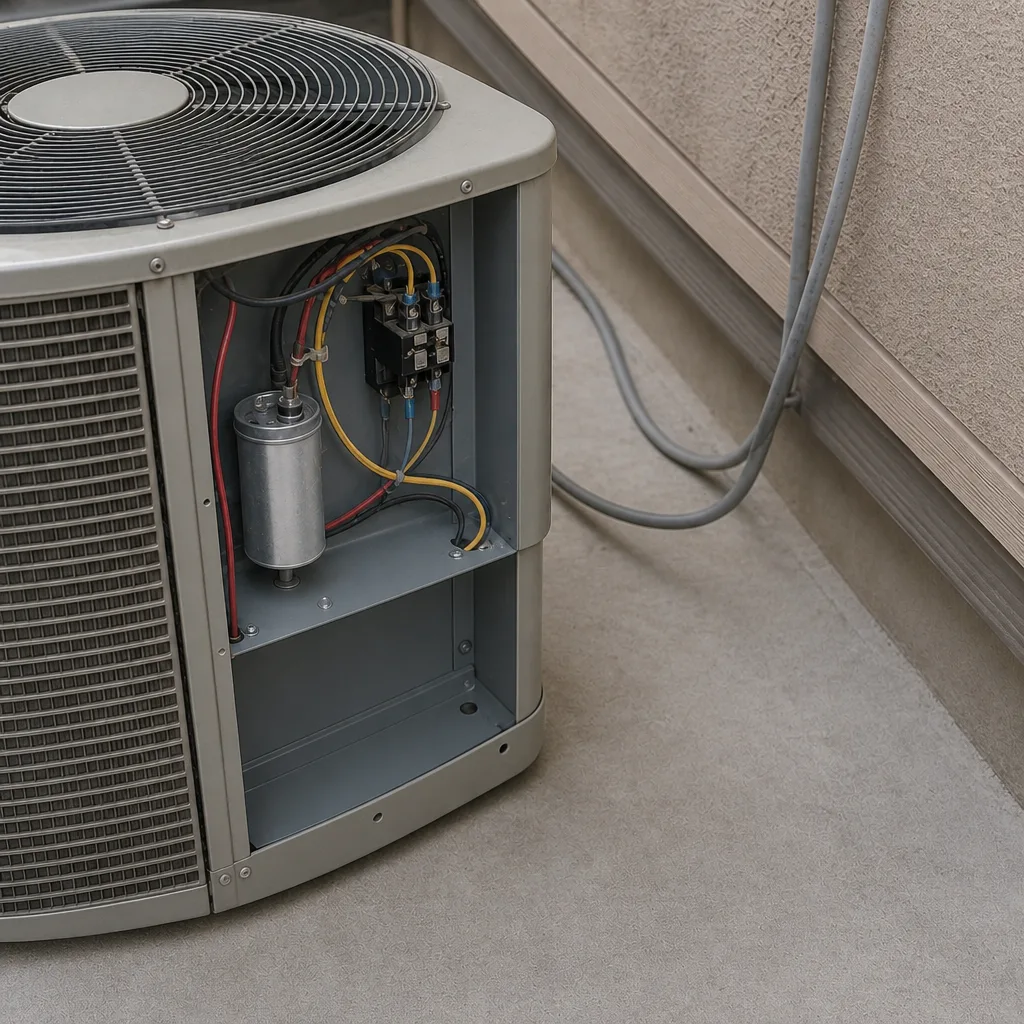
- Look at the outdoor unit. Is the fan spinning? Is the compressor humming? Are there ice formations on the refrigerant lines? Ice on the lines points to low refrigerant or restricted airflow, both of which need a technician.
- Listen at the indoor unit. A running blower with no cooling outdoors points to a different problem than silence everywhere. Note what you hear before you call; it helps.
Do not open electrical panels, do not attempt to add refrigerant, and do not bypass safety switches. Refrigerant handling requires specialized equipment and training, and electrical diagnosis inside a panel is not a homeowner task. If you’ve done the five checks above and the system is still down, you’ve already given the dispatcher the information needed to route the right technician.
If the system is blowing warm air and the outdoor unit is running, the refrigerant circuit or the compressor is the likely culprit. That’s a job for a trained technician, and it’s the kind of problem that gets worse the longer it runs. Call in rather than keep cycling the system.
Staging a Cooling Contingency for Downey Layouts
A backup cooling plan doesn’t mean buying a second air conditioner. It means having a way to keep one room safe and livable if the main system goes down during a heat event. Downey’s housing stock is mostly single-story ranch homes and older two-story builds with fairly standard room sizes, which makes this easier than it sounds.
How to size a window unit for one room
Window units are rated in BTUs, and the rule of thumb for a room with average insulation and standard ceiling height runs about 20 BTUs per square foot. That translates to:
- Small bedroom, 100-150 sq ft: 5,000-6,000 BTU unit.
- Standard bedroom or home office, 150-250 sq ft: 6,000-8,000 BTU.
- Living room, 250-400 sq ft: 8,000-12,000 BTU.
In Downey, a west-facing room catches the worst of the afternoon sun, so size up one tier for those. A room with afternoon shade can go to the lower end of its range.
Which circuits can handle the load
A 5,000 BTU window unit draws around 4-5 amps. An 8,000 BTU unit draws around 7-8 amps. A 12,000 BTU unit draws around 11-12 amps. Standard residential circuits in Downey homes are typically 15 or 20 amps, which means a window unit on a shared bedroom circuit will work alongside a lamp and a phone charger, but not alongside a space heater, a hair dryer, or a microwave. Check the outlet’s circuit before you plug in. If the same breaker also runs a bathroom or the kitchen, you’ll want to move the unit to a different outlet or route it to a dedicated circuit.
The second part of the contingency: pick the room. It should be the smallest bedroom or interior room that stays coolest, ideally on the north or east side of the house. Set the unit up before a failure, not during one. During a peak heat event, window units sell out in Downey-area stores within a day or two. Having one in the garage already, tested and ready, is the whole point of this exercise.
If your main system is on its last leg and you’re weighing repair against replacement, running the numbers with a technician before a breakdown is far better than deciding at 3pm on the hottest day of the year. That’s the conversation we have on AC repair calls every summer.
How to Confirm Real Emergency Dispatch
“24/7 answering” is not the same as “24/7 dispatch.” Read the exact phrasing. Any HVAC company can route calls to a voicemail box or a call center that logs a ticket at 11pm and queues it for morning. That’s a reasonable business model, but it’s not what a homeowner in a medical emergency needs to know at the moment of failure. So confirm it before you need it.
Questions to ask a potential HVAC contractor now
- “If I call at 9pm with no cooling and a vulnerable person in the house, who answers?” A real answer describes a person, a process, and a rough expectation of when a technician arrives.
- “What’s the latest time someone would actually be sent to my home?” If the answer is vague, the service is queued, not dispatched.
- “Do you have technicians certified on my brand?” For our part, our technicians are certified across nine brands including York, Daikin, Bryant and American Standard, and the answer tells you whether they’ll be learning your system on your time.
- “Do you charge a diagnostic fee?” The answer should be straightforward. Here, estimates are free and pricing is per job by written estimate.
- “If the answer is ‘we’ll call you in the morning,’ what time is that call?” A contractor who dispatches actively usually knows.
Our phone line is answered 24/7, and our dispatch hours are 7am to 7pm, Sunday through Friday. We’re closed Saturday. A call outside those hours is booked into the next opening. That’s the plain version of what we offer, and it’s what you should expect any contractor to tell you.
The second thing to confirm: does the contractor handle both sides of your system? A split system has a cooling half and a heating half, and a company that only does AC will send you looking for a second contractor when the furnace fails. We handle AC repair, AC installation, and furnace repair, which means one contractor handles the full unit.
Vulnerable Household Protocols and Temperature Thresholds
If someone in your home is elderly, an infant, or has a medical condition that makes heat dangerous, the equation changes. A house without cooling in 100°F weather is not a comfort problem for those residents; it’s a health risk. The plan should be written down and known to everyone in the household.
Temperature thresholds that should trigger action
- Indoor temperature above 80°F with an elderly or medically fragile resident: start cooling the person, not just the room. Cool showers, damp cloths, and fans aimed at the person.
- Indoor temperature above 85°F with an infant or frail elderly resident: consider relocating to a cooled space, whether that’s a neighbor’s house, a family member’s home, or a cooling center.
- Indoor temperature approaching 90°F with a vulnerable resident and no functioning AC: move the person out of the house. Do not wait for a technician.
- Any sign of heat illness – confusion, dizziness, nausea, rapid pulse, skin that’s hot and dry or hot and sweating heavily: call 911. That’s a medical emergency, not an HVAC call.
When to call 211
LA County’s 211 line connects residents to cooling centers and other heat-relief resources during heat events. If you have a vulnerable resident and your home is above the thresholds above, and you can’t get to a cooled home nearby, 211 is the right call. Cooling centers are free, air-conditioned, and open to the public. Calling 211 is not a substitute for calling an HVAC technician; it’s what you do while the technician is queued or while you’re waiting on a scheduled repair.
Write down the protocol. Tape it inside a kitchen cabinet. Make sure every adult in the house knows the thresholds and knows where the nearest cooling option is. In Downey, most neighborhoods are a short drive from a library, senior center, or community facility that serves as a heat refuge during events.
Why Santa Ana Events Hit Downey Differently
A Santa Ana wind event is a specific weather pattern: hot, dry air flowing from the inland desert toward the coast, often with strong gusty winds, elevated fire risk, and unusually warm overnight temperatures. For Downey, the key feature is that overnight lows don’t drop the way they normally do. The house doesn’t cool down at night, and that’s the difference between a hot afternoon and a genuinely dangerous heat event.
What that means for your HVAC system: it runs longer, works harder, and any weakness gets exposed. A capacitor that’s been quietly degrading all spring will fail during the first multi-day Santa Ana event of the summer. A refrigerant charge that’s slightly low becomes a frozen coil. A filter that’s been neglected becomes a system that can’t keep up. The thing to do in advance is have a technician check the system before the season, not during the first spike. A spring tune-up is cheap compared to a mid-event breakdown, and it catches exactly the components that fail under heat stress.
What that means for your planning: the queue during a Santa Ana event can be long. Non-emergency service calls in the Downey area can stretch for days when the whole region is hot at once. If someone in your home is vulnerable, your plan needs to assume you might wait 48 hours or more for a scheduled appointment, and that the window unit and the cooling-center plan are what carries you through.
We cover Downey and the surrounding communities, and we know how these events play out for local homeowners. If you’d like to read more about our coverage area, see downey.
Don’t Forget the Heating Half of Your System
Most HVAC emergency planning stops at the air conditioner. But the same split system that cools your home in July is your heater in January, and the failure modes on the furnace side are just as disruptive, though for different reasons. A failed furnace in mild Downey winters is less of a medical emergency than a failed AC in a heat wave, but it’s still a comfort crisis, and the carbon monoxide risk is the part that homeowners underestimate.
Furnace safety checks any homeowner can do
- Test your carbon monoxide detector once a season. Replace batteries annually. Every home with a gas furnace should have one on each level and near sleeping areas.
- Look at the flame color on your furnace when it runs. A healthy gas flame is blue. A yellow or orange flame, especially with a visible flicker or soot around the burners, can indicate incomplete combustion – shut the system down and call a technician.
- Check the flue and venting for visible corrosion, loose connections, or debris. The furnace exhaust must vent outdoors cleanly.
- Change the filter on the same schedule as the cooling season. The filter serves both halves of the system.
- Listen for new noises at startup: banging, popping, or a rumbling that wasn’t there last season.
Gas furnace repair is not a homeowner job. If you smell gas, leave the house and call your gas utility first, then call a technician. If your CO detector sounds, get everyone out and call 911. For everything short of those emergencies, a technician handles the diagnosis and repair. Our furnace repair service is a core part of what we do; it’s not bundled as an add-on to AC work.
Common Mistakes to Avoid
- Waiting until the system fails to gather equipment information. When your AC quits and the dispatcher asks for the model number on the outdoor unit, you should already have it photographed on your phone. Trying to read a data plate in direct afternoon sun while you’re overheating is not the time.
- Buying a window unit that’s too small for the room. A 5,000 BTU unit in a 300-square-foot living room will run constantly and cool nothing. Size it right the first time, and don’t assume the cheapest one will do the job in a Downey afternoon.
- Plugging a window unit into a circuit that’s already loaded. Check the circuit before the heat wave, not after. A tripped breaker during an emergency doubles your problem.
- Assuming “24/7” means dispatch. It very often doesn’t. Ask the direct question about late-night arrivals before you need to.
- Forgetting the furnace side of the system. Homeowners who plan for AC emergencies often have no plan at all for a failed furnace or a carbon monoxide alarm. Both require a specific response.
- Running a struggling AC “one more season.” A system that’s short-cycling, blowing warm air, or tripping the breaker is telling you something. Diagnose it before the first Santa Ana event, not during.
- Not writing down the protocol. The plan in your head isn’t a plan. The plan on the refrigerator door, with the 211 line and the 911 line and the contractor’s number, is.
See the difference
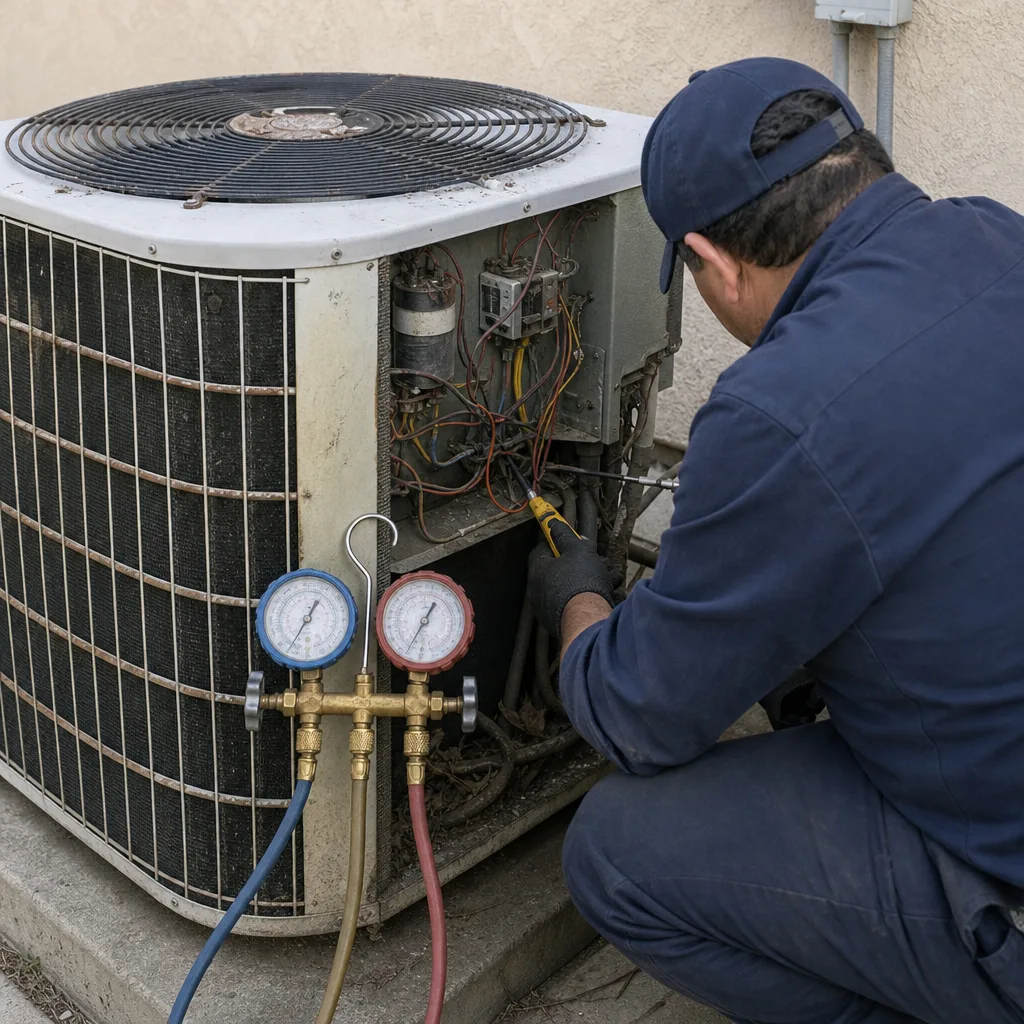 Before
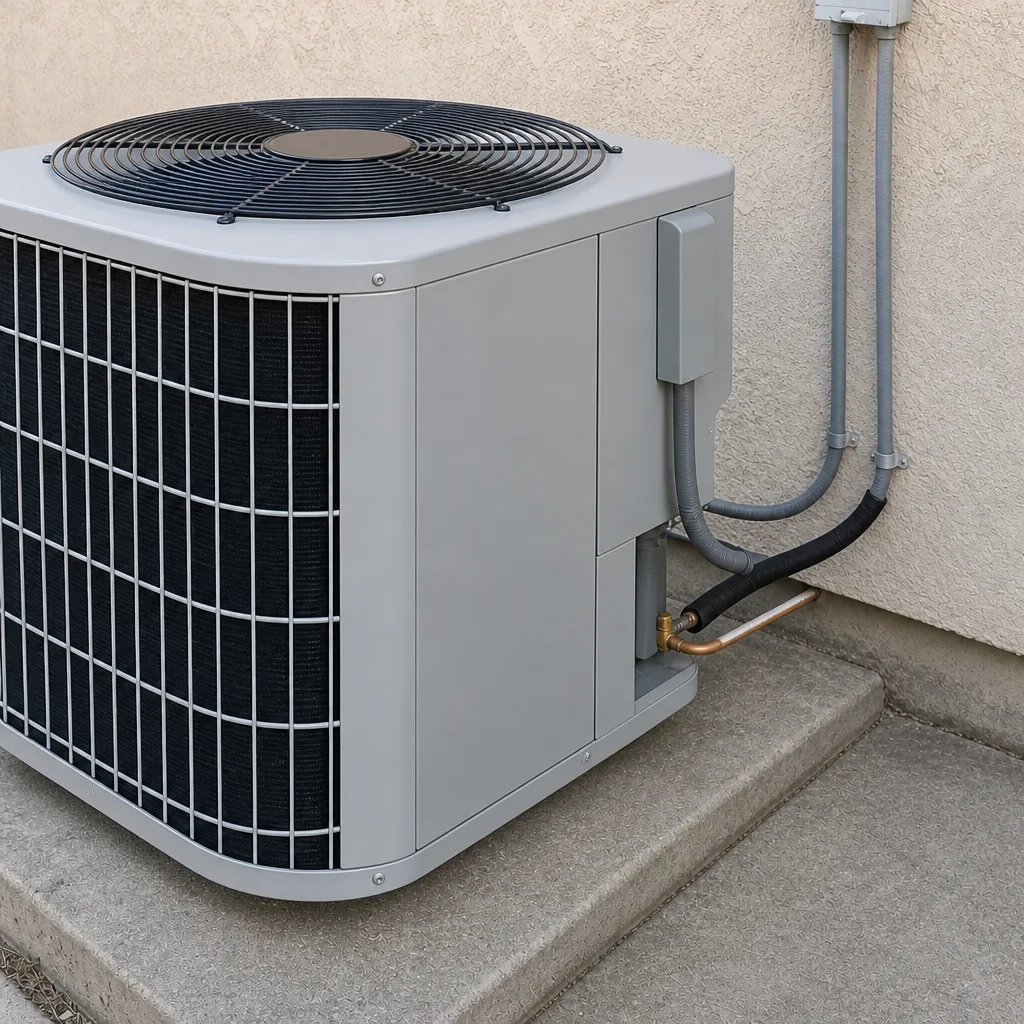 After
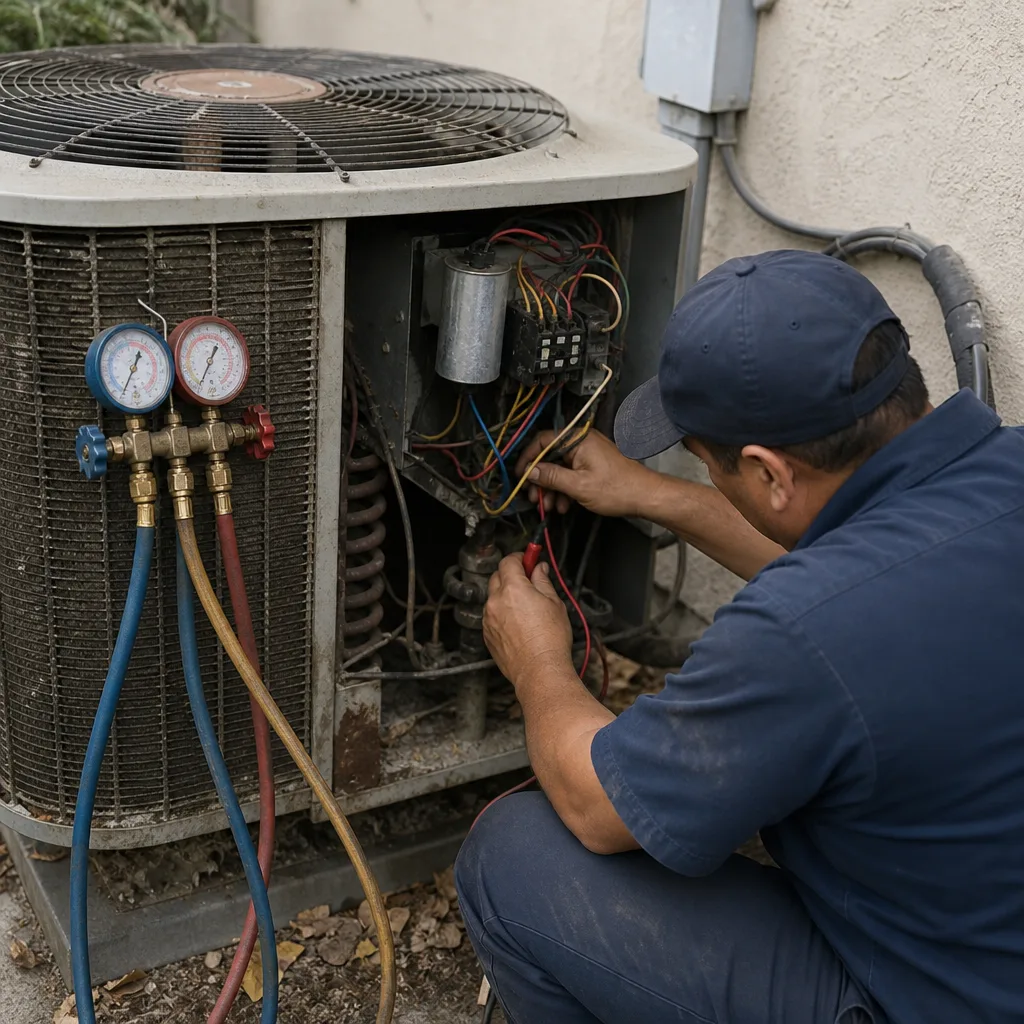 Before
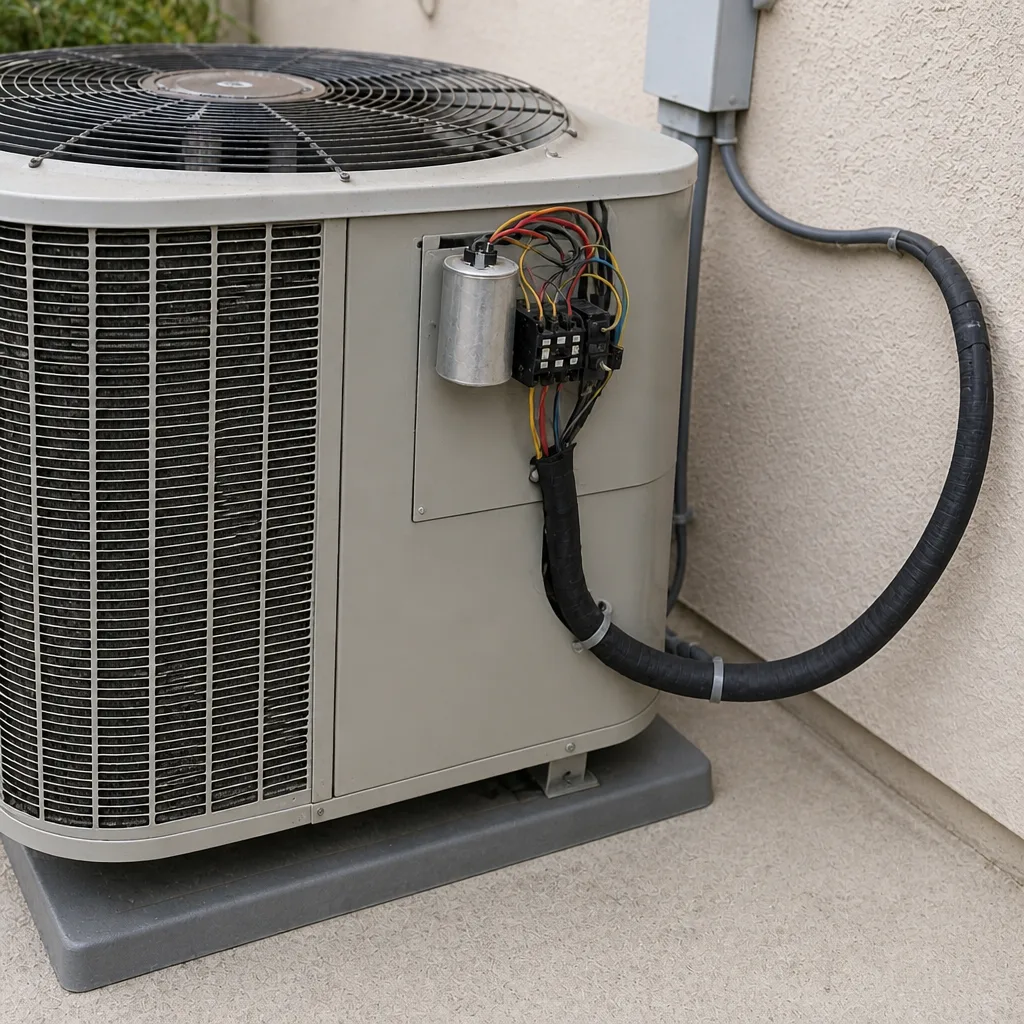 After
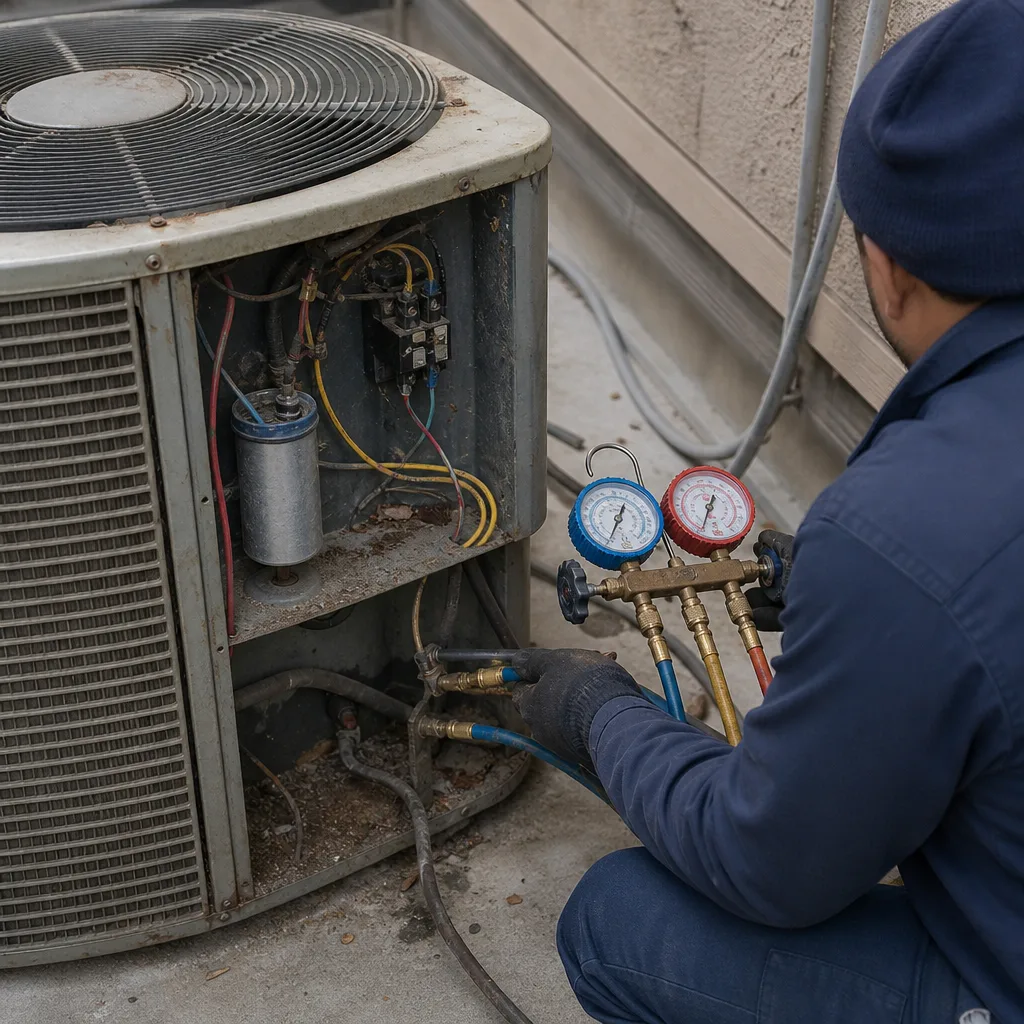 Before
 After
When to Call a Professional
Call a professional HVAC technician when: the system is blowing warm air and the outdoor unit is running; the breaker trips repeatedly; there’s ice on the refrigerant lines or the outdoor unit; you smell gas or the carbon monoxide detector alarms; the system won’t respond to a reset after basic checks; or someone in the home is vulnerable and the indoor temperature is rising. For routine diagnostic work, our estimates are free and the price is set per job by the written estimate. AC Repair Downey handles AC repair, AC installation, and furnace repair in Downey – call (855) 677-0314. We answer 24/7. Fast dispatch from 7am to 7pm, Sunday through Friday. A call outside those hours is booked into the next opening.
Frequently Asked Questions
The essentials are a one-page equipment card with model, serial, refrigerant type, filter size and warranty date; a correctly sized window unit staged and tested; the breaker location for your outdoor unit and air handler; a phone number for a contractor you’ve already confirmed handles dispatch; and a written protocol for anyone in the home who’s vulnerable to heat. Also have a carbon monoxide detector on each level. The card is the single most important item.
During a major heat event, non-emergency service queues in the Downey area can stretch for two to three days. Homes with a vulnerable resident and an escalating indoor temperature will usually get prioritized, but that’s not something to count on. The window unit and the 211 cooling-center option are what carry you through the wait.
Yes. Filter replacement and thermostat resets are homeowner jobs and can restore cooling when the problem is airflow restriction or a misconfigured thermostat. Anything involving the electrical panel, refrigerant handling, or the compressor requires a technician. Don’t open panels or attempt to add refrigerant; both are dangerous without training and equipment.
Yes, same-day service is often possible for AC repair calls, subject to scheduling. Call (855) 677-0314. We answer 24/7. Fast dispatch from 7am to 7pm, Sunday through Friday, and we’re closed on Saturday. A call outside dispatch hours books into the next opening.
Calling 211 connects you to LA County cooling-center resources: free, air-conditioned public spaces where a vulnerable person can stay safe during a heat event. Calling an HVAC contractor gets your system diagnosed and repaired. They’re not substitutes. If you have a vulnerable resident and the house is above the action thresholds, call 211 while you’re waiting on the technician.
We service nine of the most widely installed residential brands: Carrier, Trane, Lennox, Goodman, Rheem, York, Daikin, Bryant and American Standard. Our technicians have up to 12 years of experience and are certified across all nine. When you call, tell us your brand and model, and we’ll route the right technician. If your system is one of these nine, you’re covered for repair and installation.
For a healthy adult, indoor temperatures up to the high 80s are uncomfortable but manageable with fans and hydration. For an elderly resident or an infant, 85°F is the point where relocation to a cooled space should be considered, and approaching 90°F is when it becomes a medical concern. Any sign of heat illness, at any temperature, is a 911 call. Don’t wait for a technician if someone is showing symptoms.
The right answer depends on the age of the system, the refrigerant type, and what’s actually failing. An R-410A system with a failed capacitor is a repair. An R-22 system with a failing compressor is usually a replacement conversation. We’ll tell you which one makes sense for the system you have, not push you toward a new install. That’s what it means to be brand-agnostic; we work on the system you have, whether it’s a York, a Daikin, a Bryant or an American Standard.
The Bottom Line
An HVAC emergency in Downey is a plan problem before it’s a repair problem. The three things that make the difference are the equipment reference card, a staged window unit sized for one room on a circuit that can carry it, and a contractor you’ve already confirmed handles real dispatch, not just calls. Add the vulnerable-household protocol and the temperature thresholds, and the 48-hour window between failure and repair stops being a crisis. Put it all on one page. Tape it to the refrigerator. Update it once a year. That’s the whole plan, and the time to build it is before your system fails, not during a Santa Ana event. When you need service, call (855) 677-0314 for a free estimate. We answer 24/7, with fast dispatch from 7am to 7pm, Sunday through Friday.
Written by the team at AC Repair Downey.