
Last updated November 14, 2026
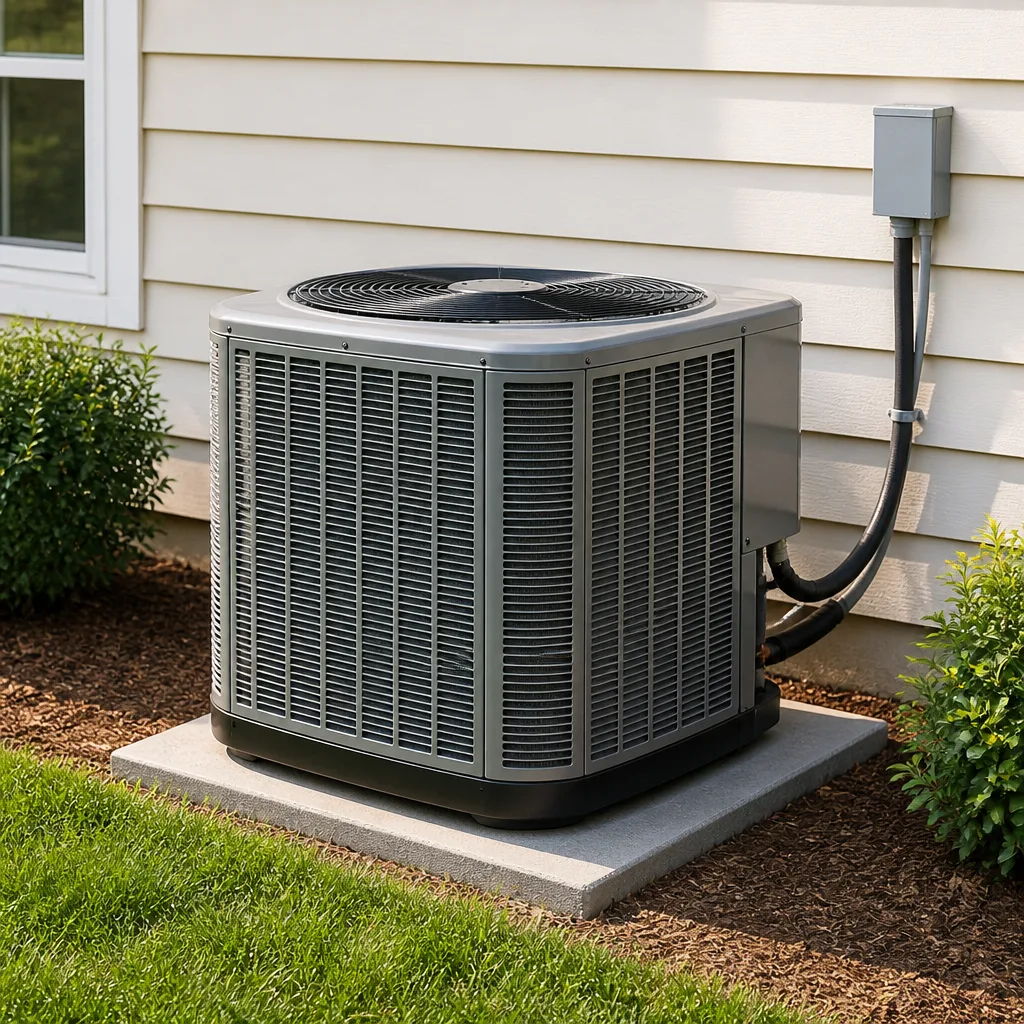 AC repair
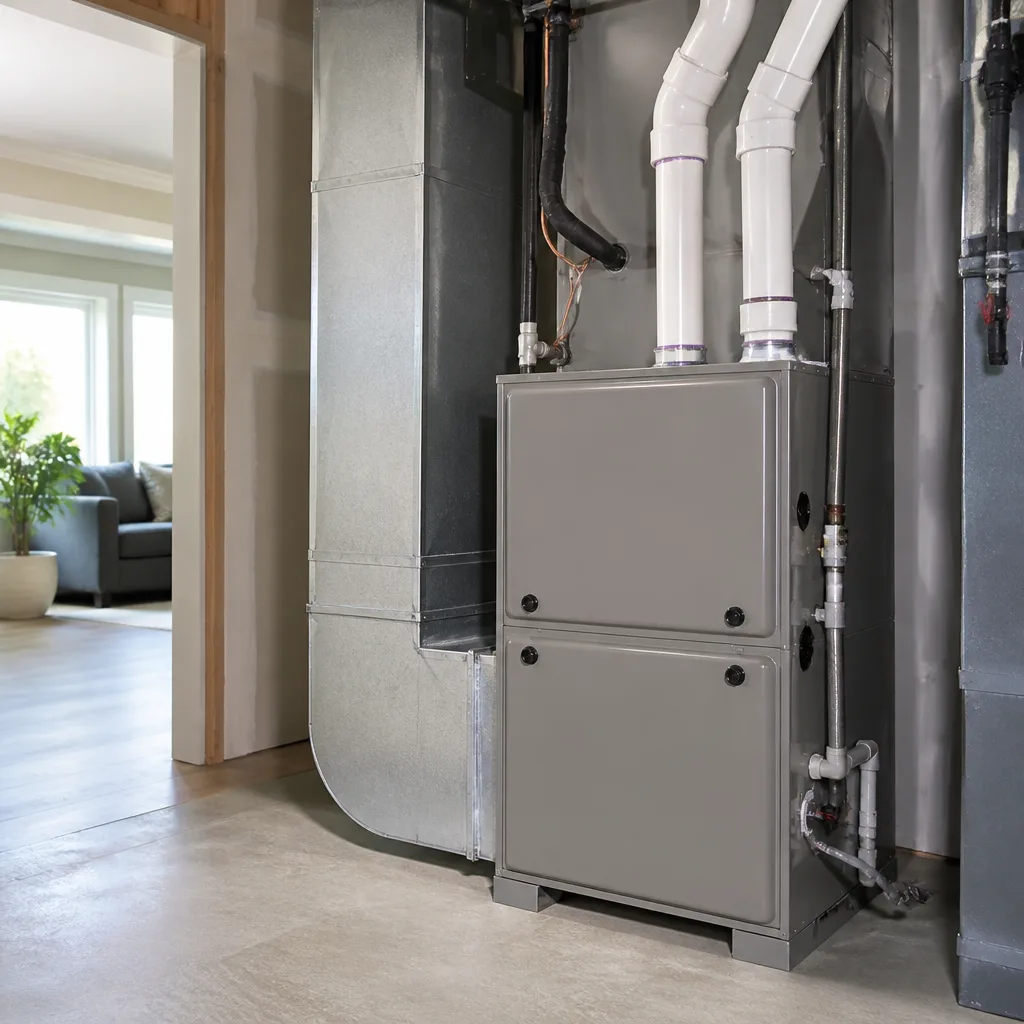 Furnace & heating
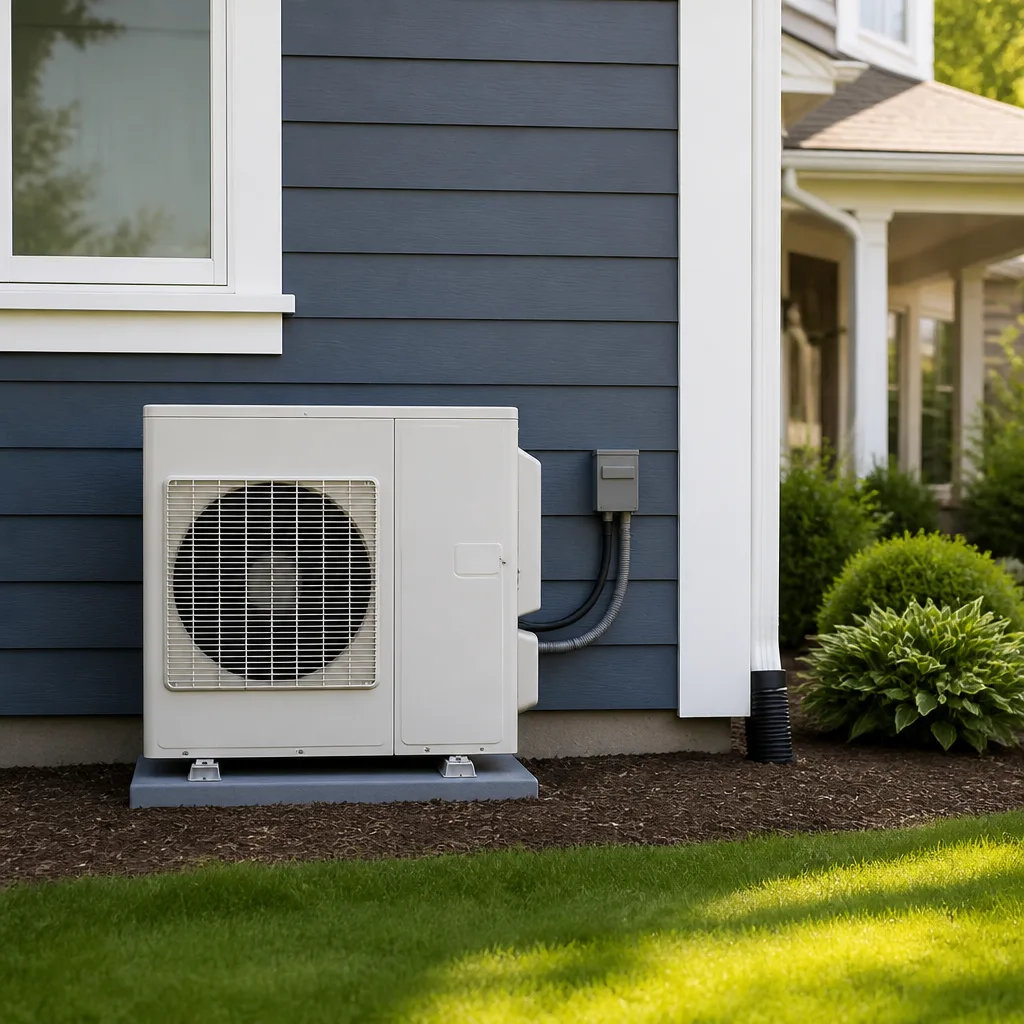 Heat pumps
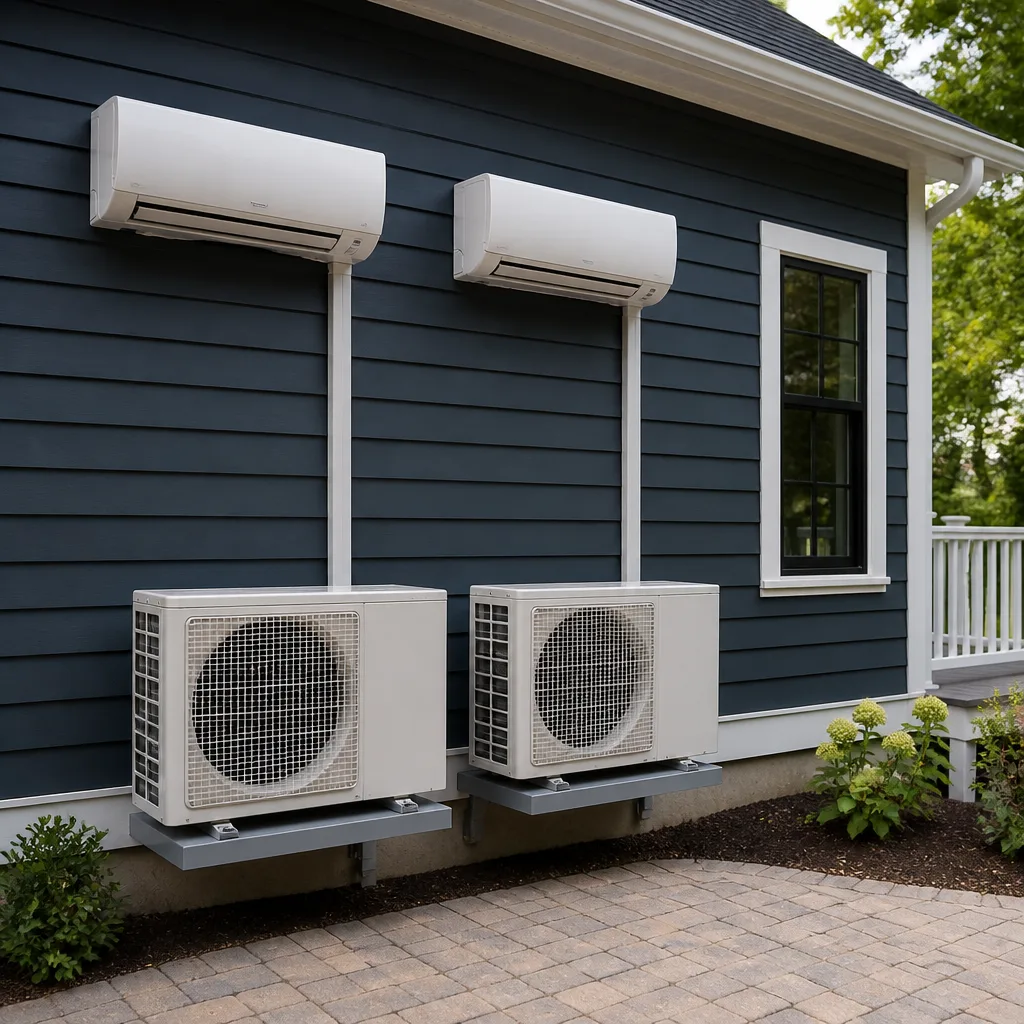 Ductless mini splits
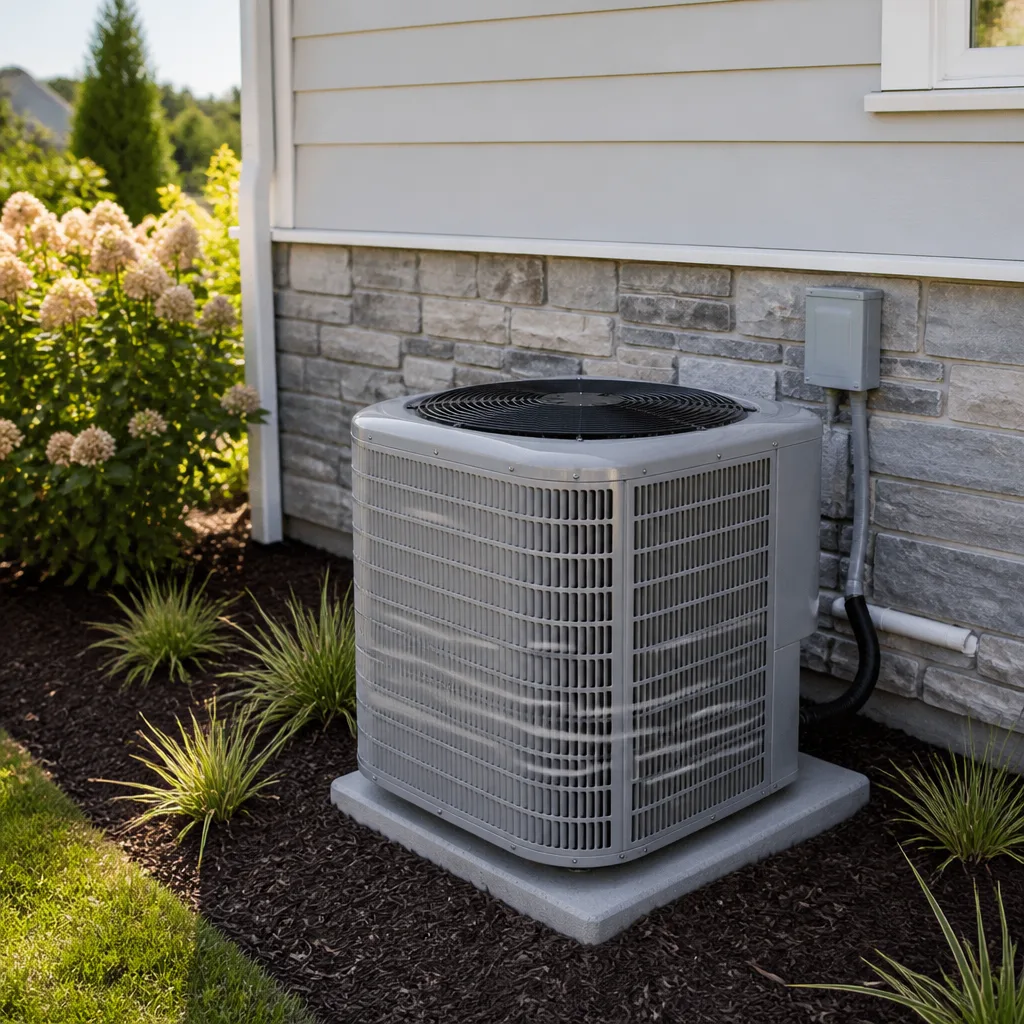 Carrier
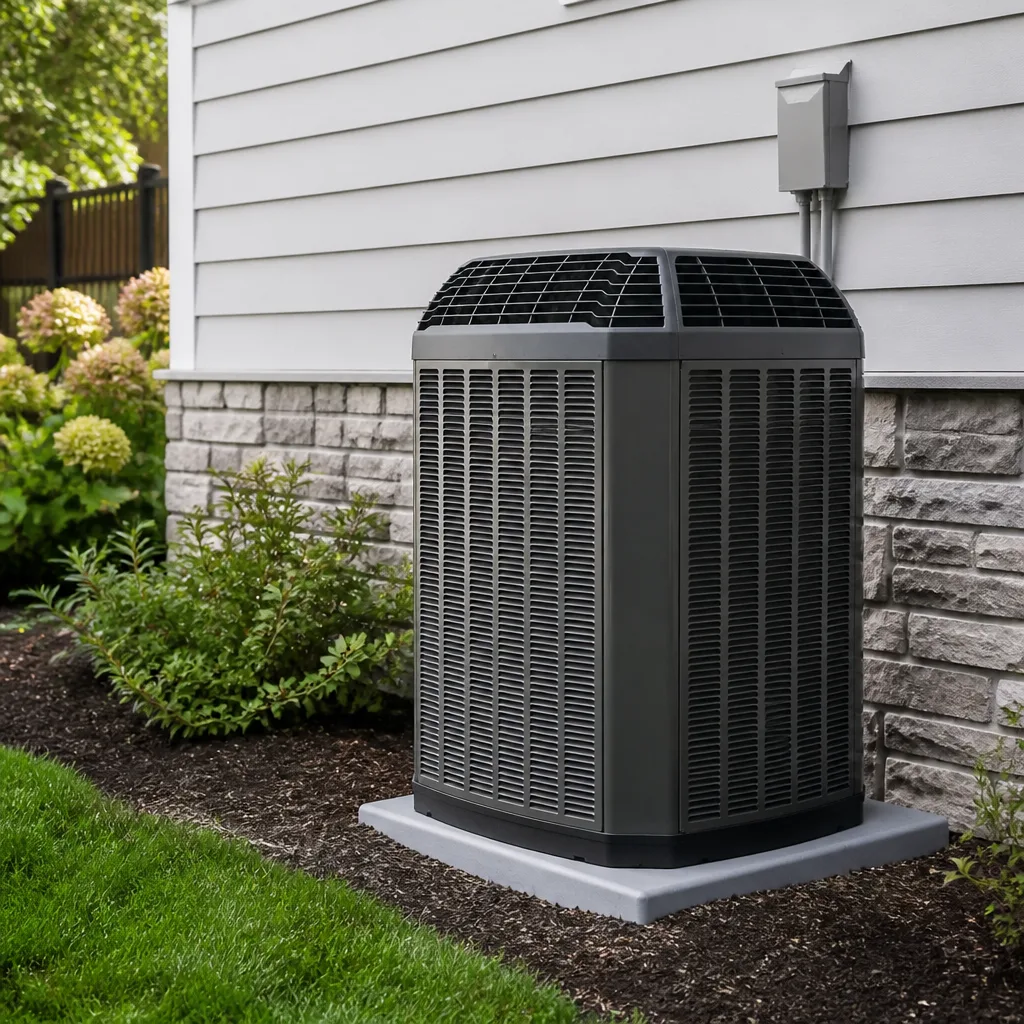 Trane
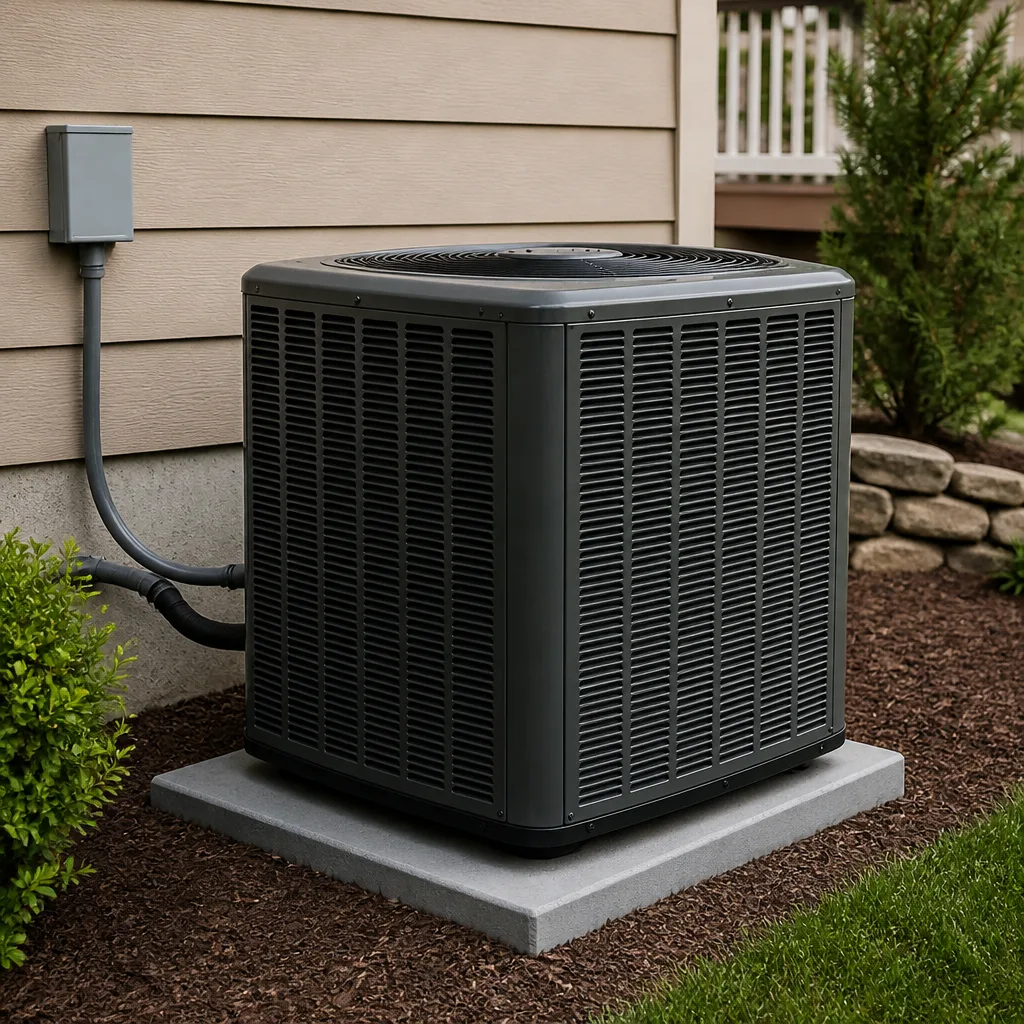 Goodman
Seasonal tune-up and full diagnostic on your Carrier, Trane, or Goodman system - readings shown to you before any repair is proposed
Diagnosis first, numbers second - you approve the repair price before a single part goes in.
Get your free estimateHVAC Permits, Codes & Inspections in Downey, CA: What You Need to Know
Here’s the part most homeowners never hear until it’s too late: California law requires a permit to replace HVAC equipment, not just to install a system in a new home. That means the furnace swap or condenser changeout you paid for last summer may have left a permit open on your property record. You won’t see it in your inbox or your bank statement. You’ll see it on a title report, an insurance claim, or a buyer’s inspection when you go to sell. This guide walks through what actually triggers a permit in Downey, what the inspection checks, how Title 24 energy rules apply to replacement equipment, and what the process realistically takes from application to final sign-off.
Quick Answer
In Downey, replacing a furnace, condenser, air handler or any component of a split HVAC system requires a mechanical permit from the City of Downey Building & Safety division, and the work must meet California Mechanical Code and Title 24 energy standards for the equipment being installed. A standard residential split-system replacement typically moves from permit application through final inspection in roughly two to four weeks, depending on inspection scheduling and whether corrections come up. Skipping the permit doesn’t make the work invisible; it pushes the cost and liability onto the homeowner down the road.
Styles & brands we work with
- AC repair
- Furnace & heating
- Heat pumps
- Ductless mini splits
- Carrier
- Trane
- Goodman
Table of Contents
- Why HVAC Permits Matter More Than Most Downey Homeowners Realize
- What Triggers an HVAC Permit in Downey?
- Title 24 Energy Compliance for Replacement Equipment
- What a Downey HVAC Inspection Actually Checks
- Permit Timeline: Application to Final Inspection
- How Unpermitted HVAC Work Surfaces at Resale
- How to Choose a Contractor Who Handles the Permit
- Common Mistakes to Avoid
Why HVAC Permits Matter More Than Most Downey Homeowners Realize
Most people think of permits as a hassle attached to big construction projects, not to a furnace swap. That intuition is wrong, and the gap between what people assume and what California actually requires is where homeowners get hurt.
Under the California Mechanical Code, replacing a heating or cooling appliance is a permitting event. So is installing new ductwork, altering a flue connection, or changing out the electrical disconnect that feeds a condenser. These aren’t edge cases. They’re routine work on any older Downey home, which makes the permit question relevant to nearly every HVAC replacement in the city.
Why does it matter beyond the paperwork? Three concrete reasons:
- Manufacturer warranties. Most equipment warranties, whether it’s a Goodman condenser or a Rheem furnace, require installation in accordance with local codes. A manufacturer reviewing a warranty claim can ask for the permit and inspection record. No permit means a weak position if the compressor fails early.
- Homeowners insurance. If a fire or water loss traces back to HVAC work that was never inspected, an insurer can dispute the claim. Even when the claim isn’t denied outright, the process becomes adversarial in a moment when you need it to be simple.
- Resale disclosure. California’s transfer disclosure requirements mean unpermitted work has to be disclosed when you sell. Buyers use it as negotiating leverage, and lenders sometimes balk at financing a home with open or unpermitted mechanical work.
The permit itself is not the point. The point is that the permit is the paper trail that keeps three separate parties, the manufacturer, the insurer and the future buyer, from all pointing at you. That’s why the permit conversation belongs at the start of an HVAC project in Downey, not after.
What Triggers an HVAC Permit in Downey?
The short version: anything that touches the mechanical system beyond a like-for-like repair of a non-permitted part. The City of Downey Building & Safety division enforces this under the California Mechanical Code, and the list of trigger points is wider than most homeowners expect.
Here’s a practical breakdown of what usually requires a permit and what usually doesn’t. This is a general guide, not a ruling; the Building & Safety division has the final word on any specific job, so the person submitting the application should confirm the classification before work begins.
Typically requires a mechanical permit
- Replacing a furnace, air handler, or any gas-fired heating appliance
- Replacing or relocating an outdoor condenser or heat pump unit
- Installing new ductwork or substantially altering an existing duct system
- Changing out the electrical disconnects associated with HVAC equipment
- Any work that touches the flue or venting for a gas appliance
- Adding a mini-split or new zone to an existing system
Usually does not require a permit
- Replacing a thermostat with a compatible unit
- Routine service like a filter change, coil cleaning, or refrigerant top-off (a licensed technician still handles refrigerant)
- Repairing a failed component, such as a capacitor, blower motor, or contactor, without changing the equipment itself
One thing that surprises homeowners in Downey: replacing a condenser in an existing home usually requires the new unit to meet Title 24 energy standards for the equipment category, which is where the SEER minimum and refrigerant rules come in. We’ll get to that in the next section. The point for now is that the permit and the compliance check travel together, and that’s why the process is worth doing right the first time.
Title 24 Energy Compliance for Replacement Equipment
California’s Title 24 energy code doesn’t only apply to new construction. When you replace a furnace, air conditioner, or heat pump in an existing Downey home, the new equipment generally has to meet the current energy and refrigerant standards for that equipment category. This is one of the most misunderstood parts of the process, because the rule isn’t the same as it was ten or fifteen years ago.
The two areas that come up most often:
SEER minimums
Residential central air conditioners and heat pumps sold and installed in California must meet minimum seasonal energy efficiency ratings set by the state energy code, which tracks but sometimes exceeds federal standards. In practice, that means the bargain condenser on the shelf at a discount outlet may not be legally installable if it was manufactured to an older efficiency tier. A permit application typically requires the equipment model and efficiency rating, and the plan reviewer checks those against the required minimum for that category.
For homeowners, the practical takeaway is that “we got a great price on this unit” is not the same as “this unit can be permitted here.” Ask for the model number and efficiency rating before you sign anything. On an AC installation in Downey, the right equipment is the one that meets the code for your home, not the one sitting in someone’s overstock.
Refrigerant type
California has been phasing down high-global-warming-potential refrigerants alongside federal rules, and new equipment must be charged with an approved refrigerant. Older systems still running R-22 are at end of life and can no longer be recharged with that refrigerant. When a replacement goes in, the refrigerant type goes on the permit paperwork. A technician who doesn’t handle Title 24 paperwork routinely may propose equipment that looks like a match but fails the compliance check.
This is one of the areas where brand familiarity genuinely helps. Whether your home runs a Daikin, a York, or a Carriersystem, the model and its compliance data should be on the paperwork before work begins.
What a Downey HVAC Inspection Actually Checks
Field inspections are not ceremonial. A city inspector is looking at a defined checklist under the California Mechanical Code, and most of the items are things a homeowner can’t verify after the fact. Here’s what typically gets checked on a residential installation in Downey:
Mechanical and gas items
- Flue connections and venting. The flue for a gas furnace must be properly sized, connected, and sloped. A loose or incorrectly sized flue connection is a carbon monoxide concern and one of the most common correction items.
- Combustion air. The appliance must have adequate air for combustion and dilution, which on older, tightly built homes sometimes requires a fix.
- Gas piping connections. The gas line to the appliance and the drip leg configuration.
- Equipment clearances. Clearance to combustibles and service access around the equipment.
Electrical and refrigerant items
- Electrical disconnect. A properly sized and accessible disconnect at the condenser is a standard inspection item.
- Refrigerant line insulation. The suction line must be insulated along its run, and the insulation must be intact where it enters the wall and the equipment.
- Condensate disposal. The drain line, trap, and termination, so condensate goes to an approved location.
- Refrigerant charge documentation. The permit paperwork typically carries the equipment model and refrigerant type, and the technician documents the charge.
Inspectors do not test the system’s heating or cooling performance in depth; that’s the contractor’s job. What the inspector confirms is that the installation is safe, code-compliant, and consistent with the permit. If corrections come up, they’re usually small: a drip leg, a fitting, a section of insulation. Fixing them takes less time than the homeowner often fears. What takes longer is discovering later that they were never inspected at all.
Permit Timeline: Application to Final Inspection
For a standard residential split-system replacement in Downey, the realistic timeline from permit application to final inspection is roughly two to four weeks. Here’s how that time tends to break down:
- Application submittal (day 1). The contractor or homeowner submits the mechanical permit application with equipment model, efficiency data, and scope of work. Over-the-counter permits for straightforward like-for-like replacements move faster than applications that involve duct changes or electrical work.
- Plan review (a few business days to about a week). The reviewer checks Title 24 compliance and the scope. Corrections may be requested, and each round adds time.
- Permit issuance. Once approved, the permit is issued and the work can proceed.
- Installation (one to two days for a typical changeout). The equipment goes in, and the contractor schedules the inspection.
- Inspection scheduling (typically a few business days out). Scheduling timing depends on the city’s current inspection backlog.
- Final inspection and sign-off. Once the inspection passes, the permit is finaled and the property record reflects the work.
Two things can stretch this timeline. A correction that requires a return visit adds days. And a project that needs a change to the electrical panel or ductwork can pull in additional permits and additional inspection categories. None of this is a reason to skip the permit; it’s a reason to plan the project rather than squeeze it. If you’re scheduling an AC repair, an equipment replacement, or anything else on the mechanical system, ask what the permit timeline looks like before the crew arrives, and confirm that the price in the written estimate reflects the process.
On a repair, no permit is normally required and the timeline is a single visit. On a replacement, plan for the paperwork window. If you’re replacing equipment during a heat wave, that matters. It’s also why we tell folks in Downey to think about the permit timeline in spring, not on the first 100-degree day of summer.
How Unpermitted HVAC Work Surfaces at Resale
Unpermitted HVAC work doesn’t stay hidden. It turns up in a handful of predictable places, and each one costs money to resolve after the fact.
- Title report and property records. A permit pulled and never finaled shows up as an open permit on the property record. A title company flags it during escrow.
- Home inspection. A knowledgeable inspector notes equipment that doesn’t match permit records, missing data plates, or installation details that suggest the work was never reviewed.
- Buyer’s transfer disclosure. California requires the seller to disclose known unpermitted work. That disclosure invites renegotiation.
- Appraisal and lender review. Some lenders scrutinize open permits before funding a purchase.
Retroactively permitting work means opening a new permit, sometimes paying plan review and inspection fees again, and depending on the situation, correcting installation details that no longer meet current code. On a Downey home that was re-roofed or re-piped at some point, the HVAC can be the last item standing between a clean sale and a stalled escrow. The equipment itself is usually fine; the paperwork is what stops the transaction.
The clearest advice we can give anyone buying or selling a home in Downey: before you list, request the permit history from the city, and compare it to the equipment installed. If a furnace or condenser was replaced, there should be a permit and a final inspection on record. If there isn’t, deal with it before the buyer does.
How to Choose a Contractor Who Handles the Permit
The permit conversation tells you a lot about a contractor before the work starts. A company that routinely pulls permits has the paperwork workflow down to a routine; a company that avoids them is placing the risk on you. Here’s a practical checklist you can run through with any HVAC contractor in Downey:
- Ask directly: “Will you pull the permit, and can I see the permit number?” A confident yes with a number attached is what you want. Hesitation is your signal.
- Ask who schedules the inspection and who meets the inspector. The contractor should handle both.
- Ask for the equipment model and efficiency rating in the written estimate. If Title 24 compliance can’t be confirmed from that paperwork, you have a problem.
- Ask whether the estimate covers permit fees. Some contractors quote the equipment and installation only, then charge the permit separately. That’s fine as long as it’s stated.
- Ask what happens if corrections come up at inspection. A reputable contractor handles them; a less careful one bills you for the return visit.
Brand familiarity is a separate quality marker. Whether your home runs a Lennox, a Bryant, or an American Standard, the technician who arrives should already know the equipment rather than learning it on-site. We’re certified to service nine major residential brands, and we work on the system you have rather than steering you toward one manufacturer. That matters when a permit reviewer asks a specific question about a specific model.
Common Mistakes to Avoid
- Assuming replacement doesn’t need a permit. Replacement is the permission event, not just new construction. A homeowner who pays cash for a “quick swap” may be paying for it again in escrow.
- Skipping the Title 24 compliance check. Buying a discounted unit that doesn’t meet current SEER minimums can mean the install can’t be permitted. Confirm the model number matches the code before purchase.
- Not verifying the permit was finaled. A permit that was opened and never inspected is still an open permit on the record. Ask for the final inspection documentation.
- Letting the contractor submit the paperwork without reading it. The permit application lists the equipment, refrigerant, and scope of work. If it doesn’t match what’s being installed, that’s an issue.
- Ignoring equipment age when planning a sale. If your system is nearing end of life and you plan to sell within a couple of years, replacing it now with a permitted, code-compliant unit removes a negotiating chip from the buyer’s hand.
- Assuming a general handyman can do the job. HVAC permits and inspections require a licensed HVAC contractor. Mixing trades is where paperwork falls through the cracks.
- Waiting for the first hot day. Permit processing takes weeks. On an aging system in Downey, spring is the right time to plan a replacement; the last week of July is not.
See the difference
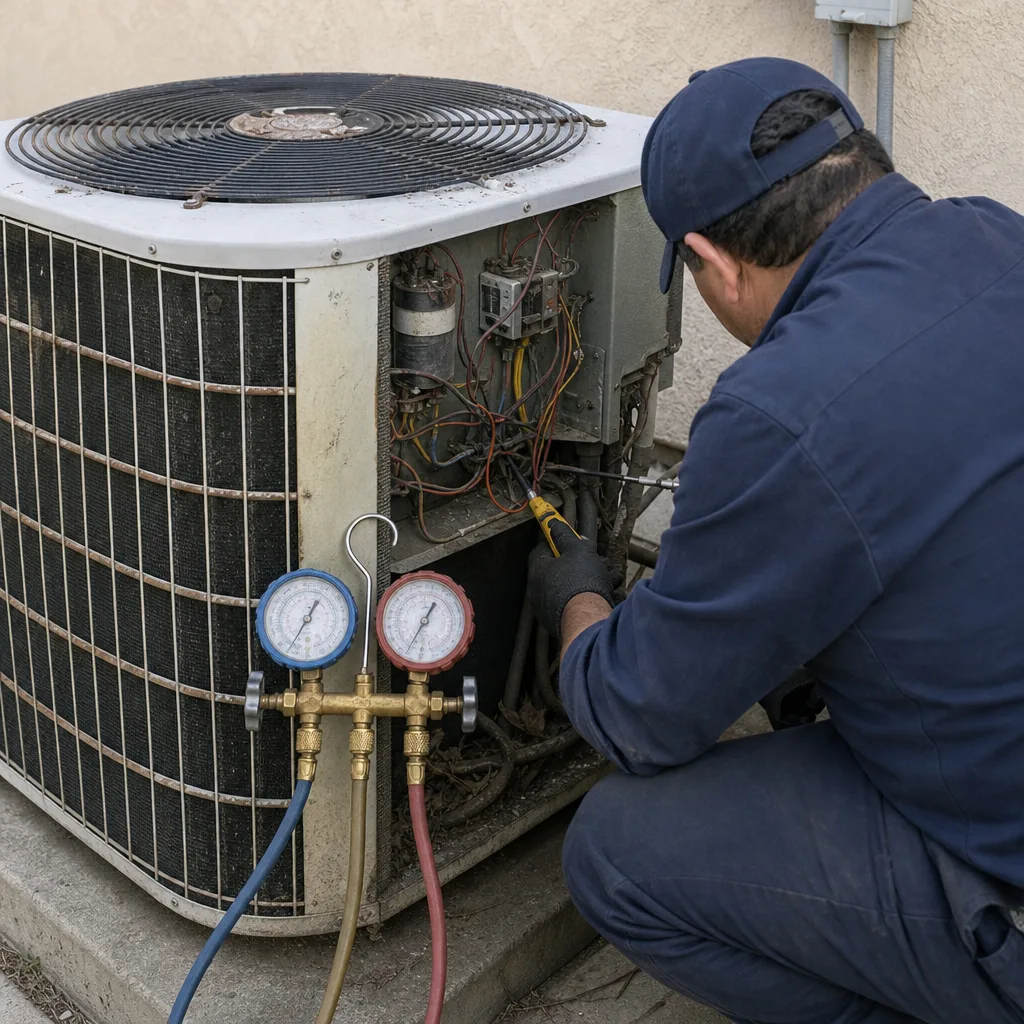 Before
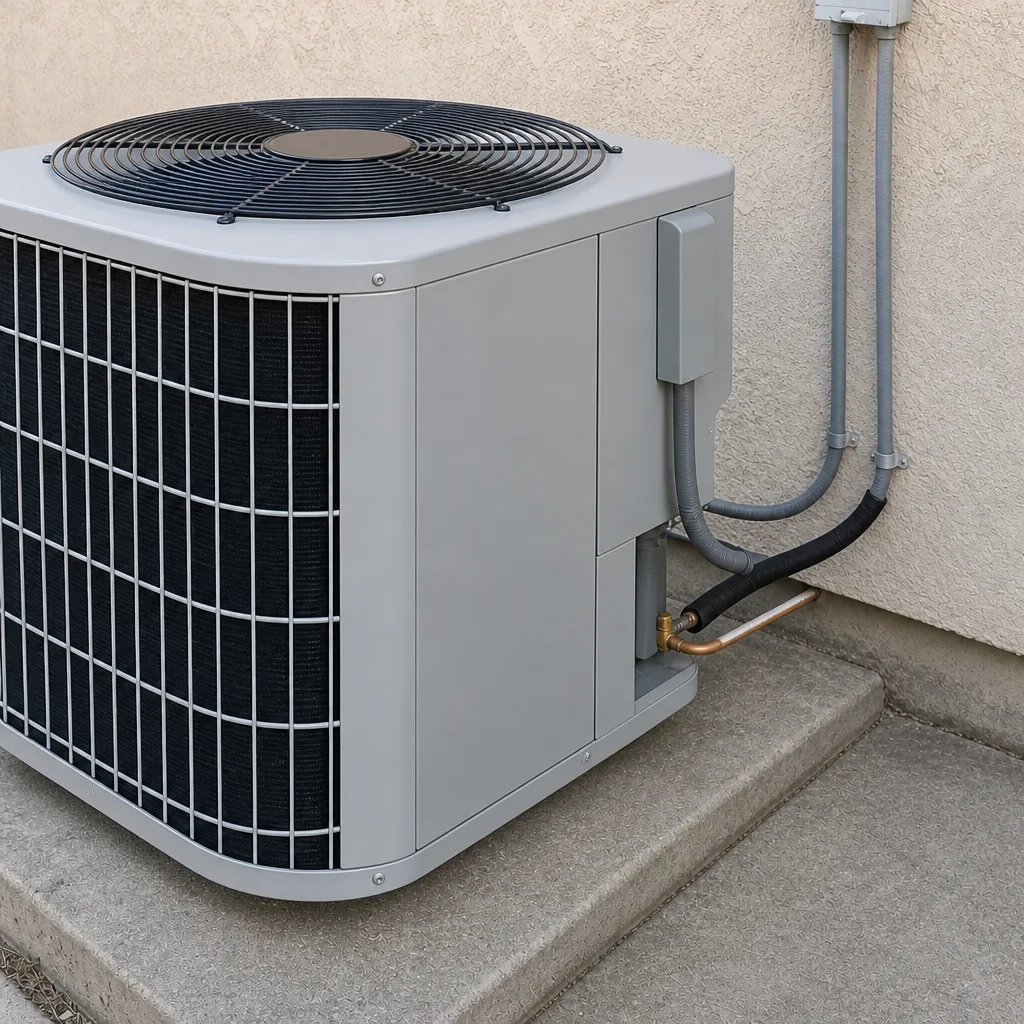 After
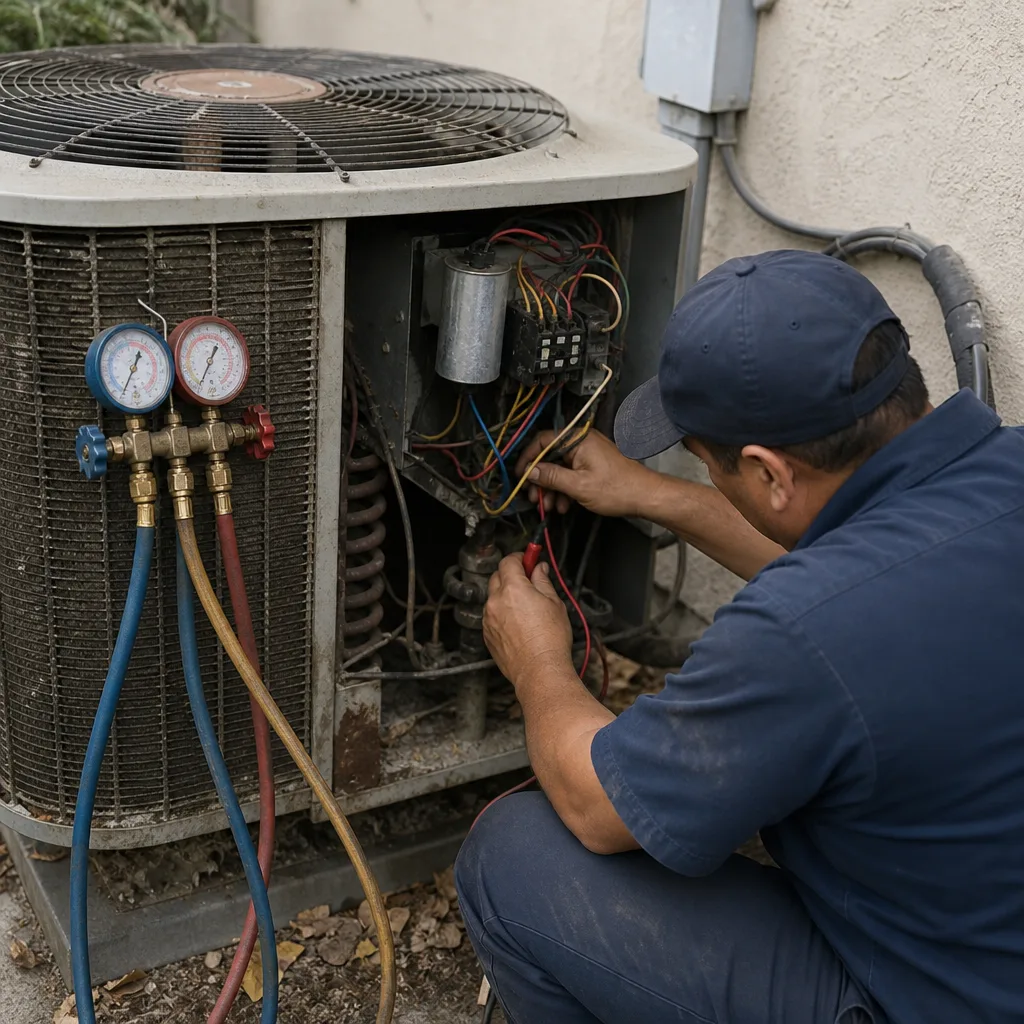 Before
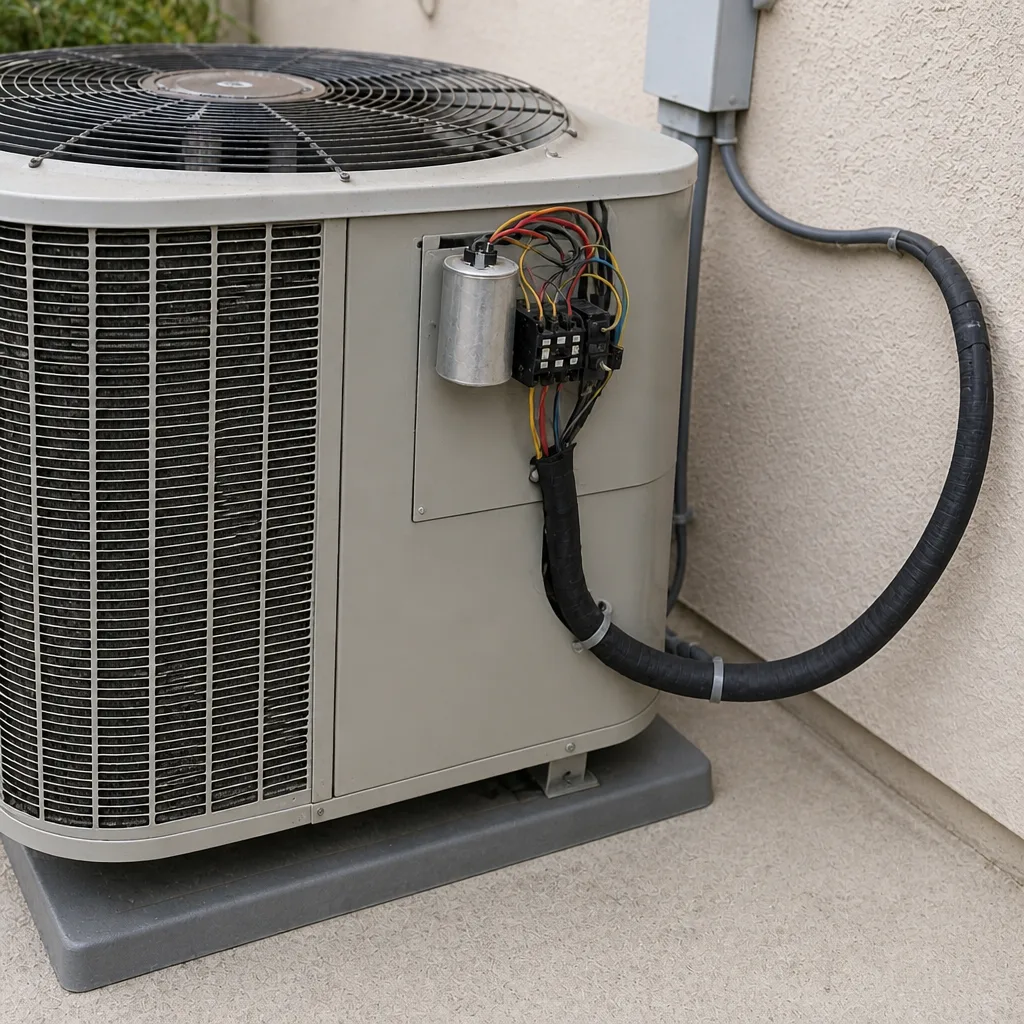 After
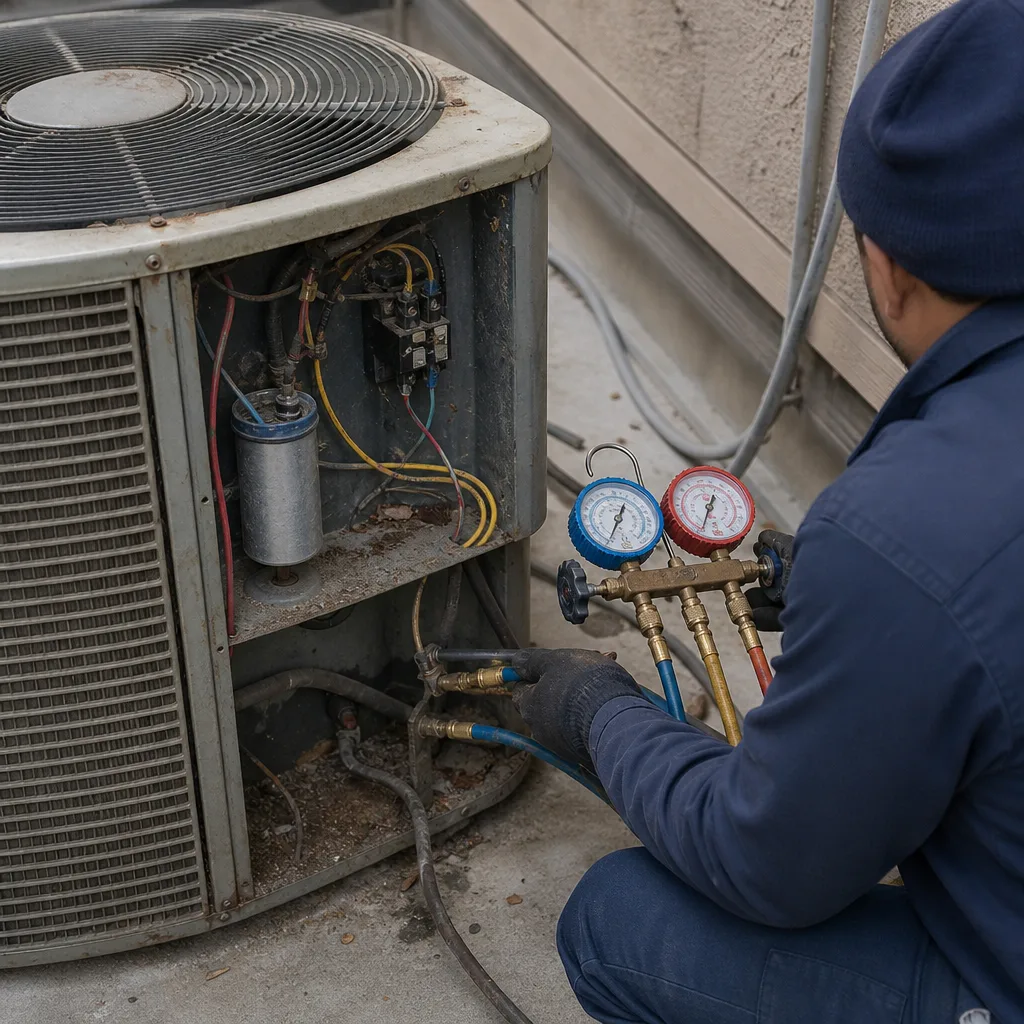 Before
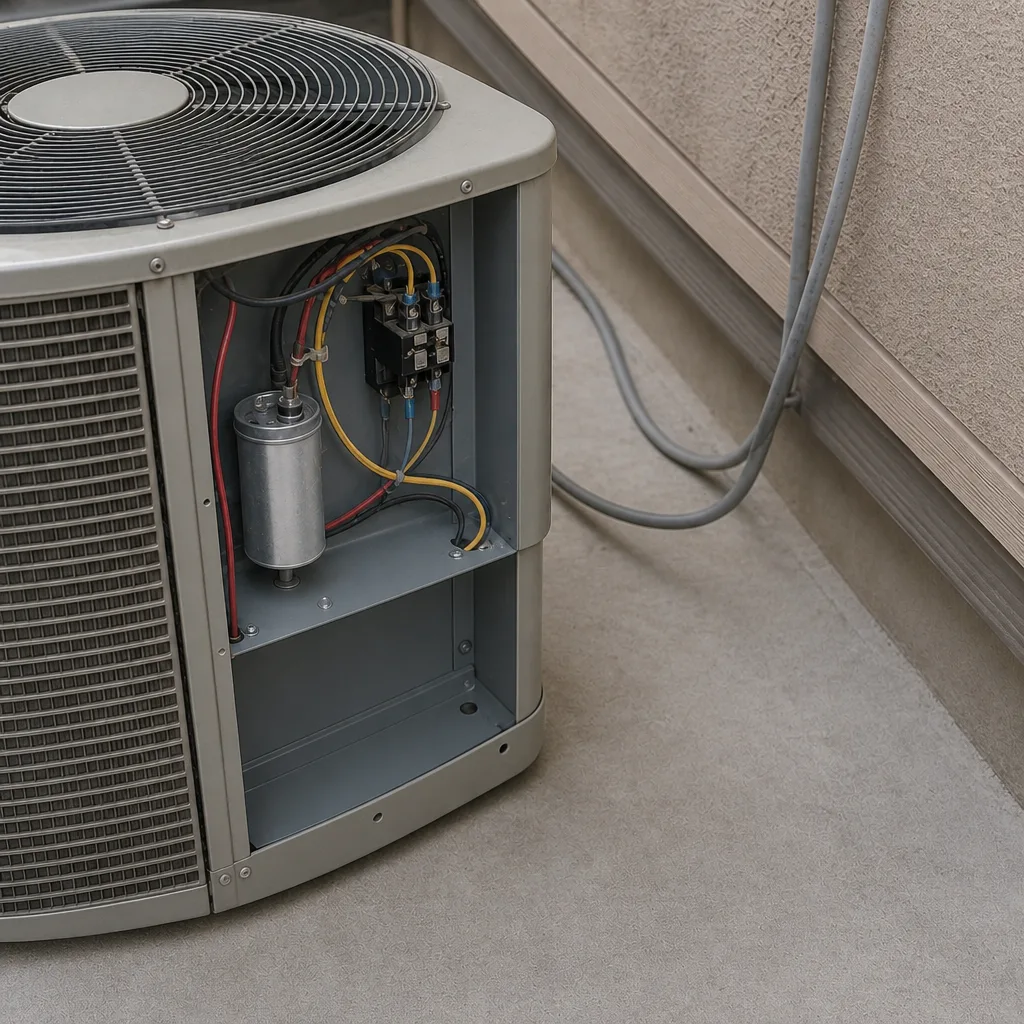 After
When to Call a Professional
Call a professional HVAC contractor when the work involves equipment replacement, duct changes, refrigerant handling, or anything that touches a gas appliance. Those are exactly the areas where the permit, the inspection, and the safety stakes line up. Call even if you’re not sure whether a permit is needed; a licensed technician can tell you in one conversation whether your job requires a filing. And call before you buy equipment, not after, because the model number may not meet Title 24 standards for your home.
If your furnace fails in a mild Downey winter, or your condenser stops mid-summer, a proper repair typically doesn’t require a permit and can be handled as a single visit. If the technician tells you the equipment needs to be replaced, the permit conversation should follow immediately. That’s not friction; it’s the paper trail that protects your warranty, your insurance, and your eventual sale. AC Repair Downey offers free estimates in Downey. Call (855) 677-0314. We answer 24/7. Fast dispatch from 7am to 7pm, Sunday through Friday.
Frequently Asked Questions
Yes. Replacing a furnace, air handler, condenser, or heat pump in Downey requires a mechanical permit from the City of Downey Building & Safety division, and the new equipment must meet Title 24 energy and refrigerant standards. Simple component repairs, such as a capacitor or blower motor, usually do not. Call (855) 677-0314 for a free estimate and we’ll confirm what your specific job requires.
Permit fees in Downey are set by the city and scale with the scope of work, so the exact figure for your project comes from the Building & Safety division, not from the contractor. What we can tell you is that permit fees are typically a small fraction of the total project cost on a replacement. Compare that to retrofitting unpermitted work after the fact, which often involves re-opening the permit and any corrections, and the upfront cost is clearly the better path. Call (855) 677-0314 for a free written estimate that accounts for the full process.
A Downey HVAC inspection checks flue connections and venting, combustion air, the electrical disconnect, refrigerant line insulation, condensate disposal, and equipment clearances, along with the documentation that matches the installed equipment to the permit. It doesn’t test the system’s heating and cooling performance in depth. The inspection confirms the install is safe and code-compliant. If you’re planning a replacement, call (855) 677-0314 to talk through the inspection items before work begins.
You can, but you must disclose it, and the buyer, lender, or title company can raise it during escrow. Unpermitted HVAC work often shows up on the property record as an open permit or a mismatch between permit history and installed equipment. Retrofitting after the fact means opening a new permit and possibly correcting details to current code. Handling the permit at the time of installation avoids that entirely. Call (855) 677-0314 for a free estimate on a permitted installation.
A standard residential split-system replacement in Downey typically runs about two to four weeks from permit application to final inspection. That includes application, plan review, issuance, installation, and the inspection itself. Jobs with duct or electrical changes can add time. The permit timeline is one reason HVAC replacements are better planned in spring than in the middle of a heat wave. Call (855) 677-0314 to schedule an installation and talk timeline.
Yes. On a replacement or installation in Downey, we handle the mechanical permit, the inspection scheduling, and the final sign-off as part of the job. The permit fee and any required corrections are addressed in the written estimate so you’re not surprised later. We work on the system you have, whether it’s a Goodman, Rheem, York, or Daikin, and the equipment model and Title 24 data go on the paperwork before installation. For a free estimate, call AC Repair Downey at (855) 677-0314. We answer 24/7. Fast dispatch from 7am to 7pm, Sunday through Friday.
The Bottom Line
HVAC permits in Downey aren’t an optional layer of bureaucracy. They’re the mechanism that keeps your manufacturer warranty, your insurance coverage, and your home’s sale value intact when equipment gets replaced. California law requires a permit for replacement, not just new installs. Title 24 requires the new equipment to meet current efficiency and refrigerant standards. The inspection checks specific items, and the timeline runs roughly two to four weeks for a typical split-system replacement. Do the process at the start, and you never have to explain an open permit at a closing. Skip it, and the cost surfaces at the worst possible moment. We’ve seen both outcomes, and the first is always cheaper.
If your AC is struggling, your furnace is failing, or you’re planning a replacement and want the permit and compliance handled as part of the job, call us. We work on your system, and we do it with the inspection in mind. Call (855) 677-0314. We answer 24/7. Fast dispatch from 7am to 7pm, Sunday through Friday. Free estimates. Our technicians have up to 12 years of experience. Los Angeles County homeowners looking beyond Downey can reach us through our Downey page for details on the areas we cover.
Written by the team at AC Repair Downey.