
Last updated November 14, 2026
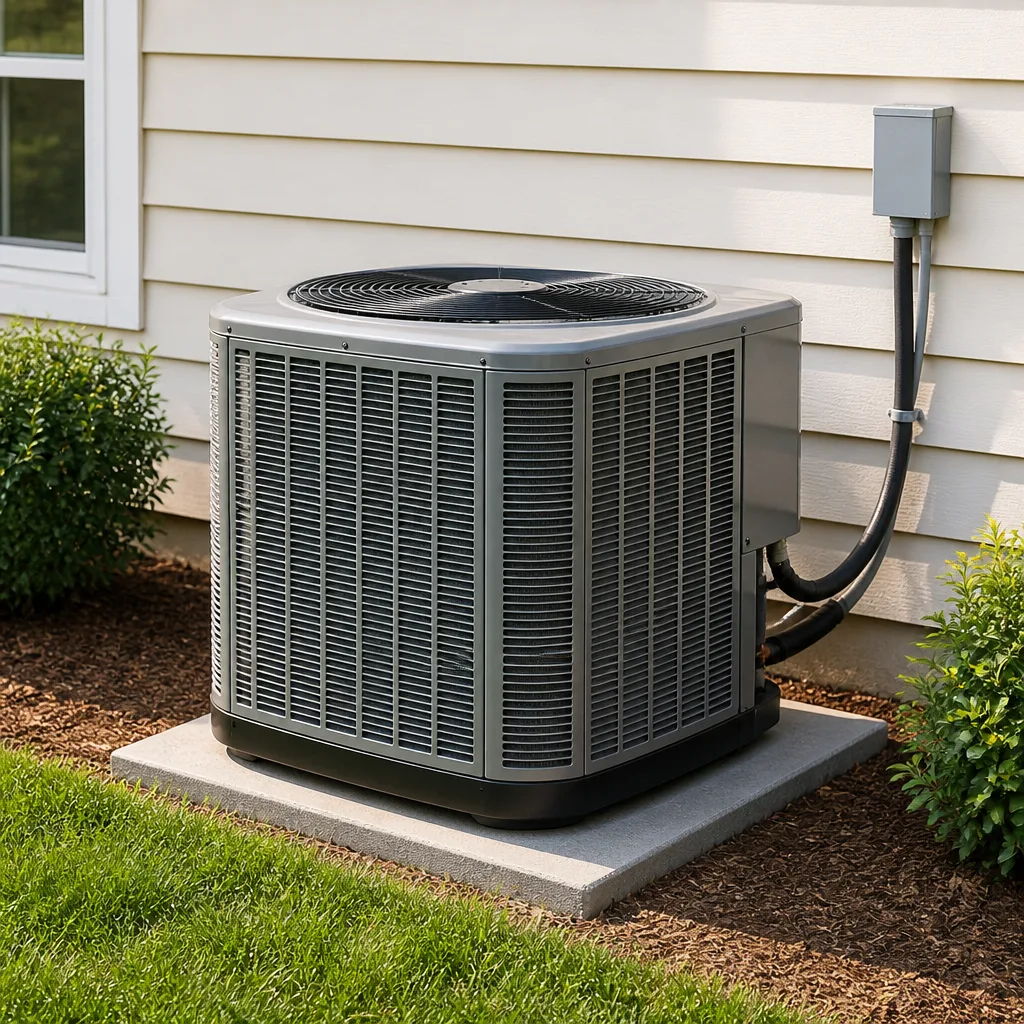 AC repair
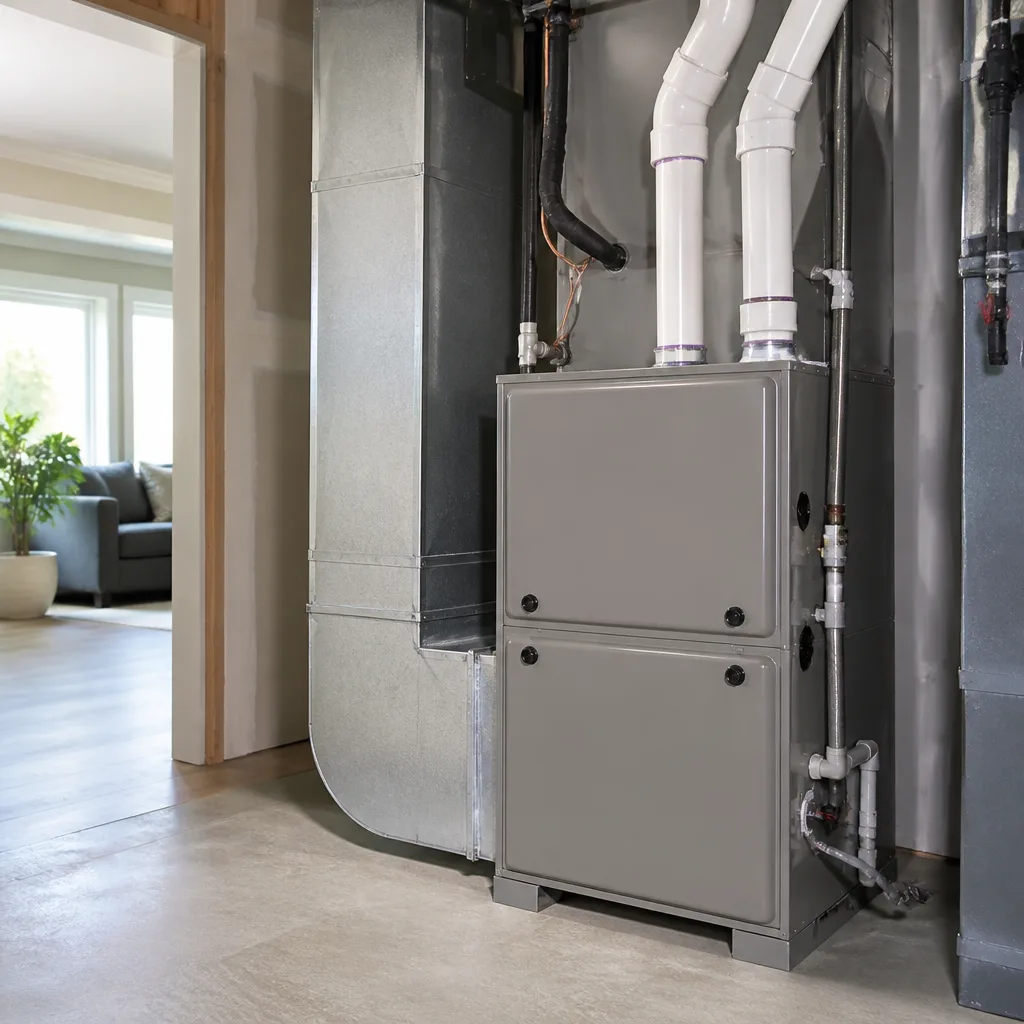 Furnace & heating
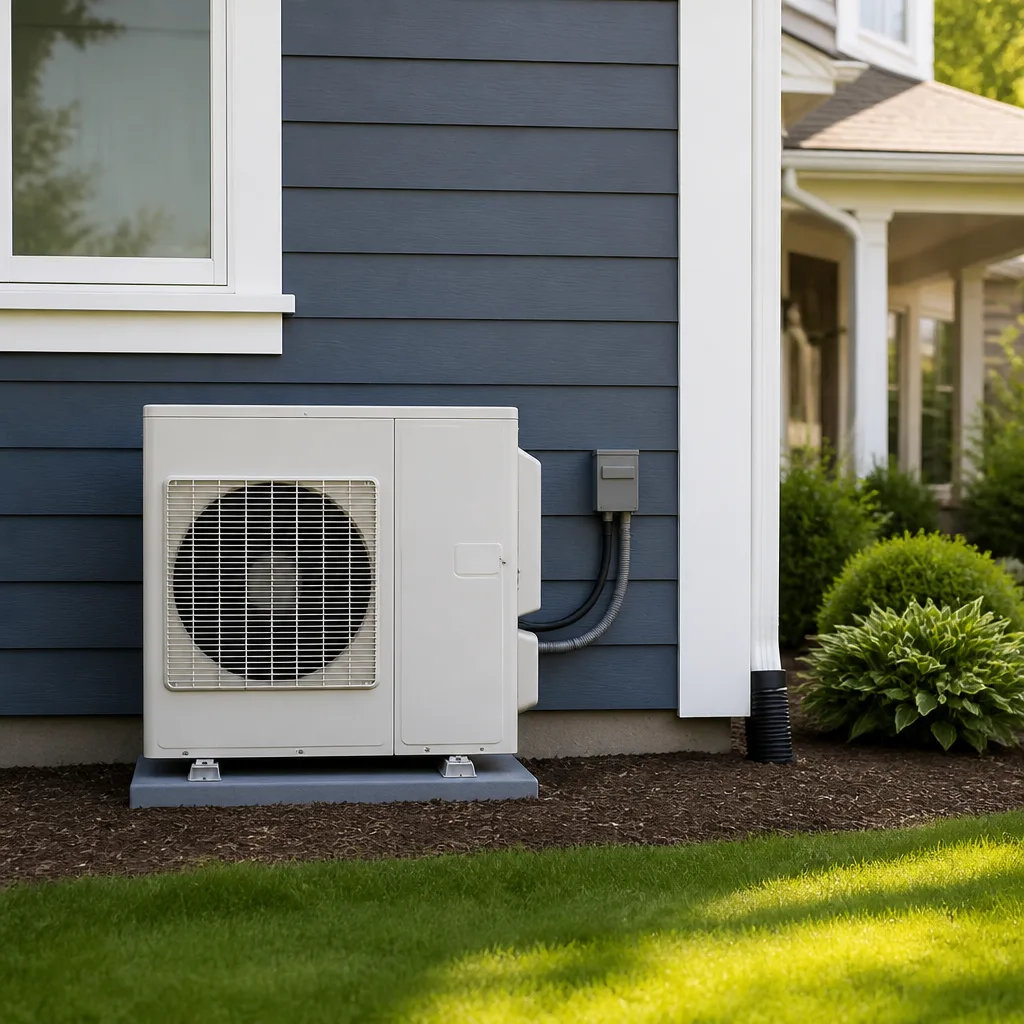 Heat pumps
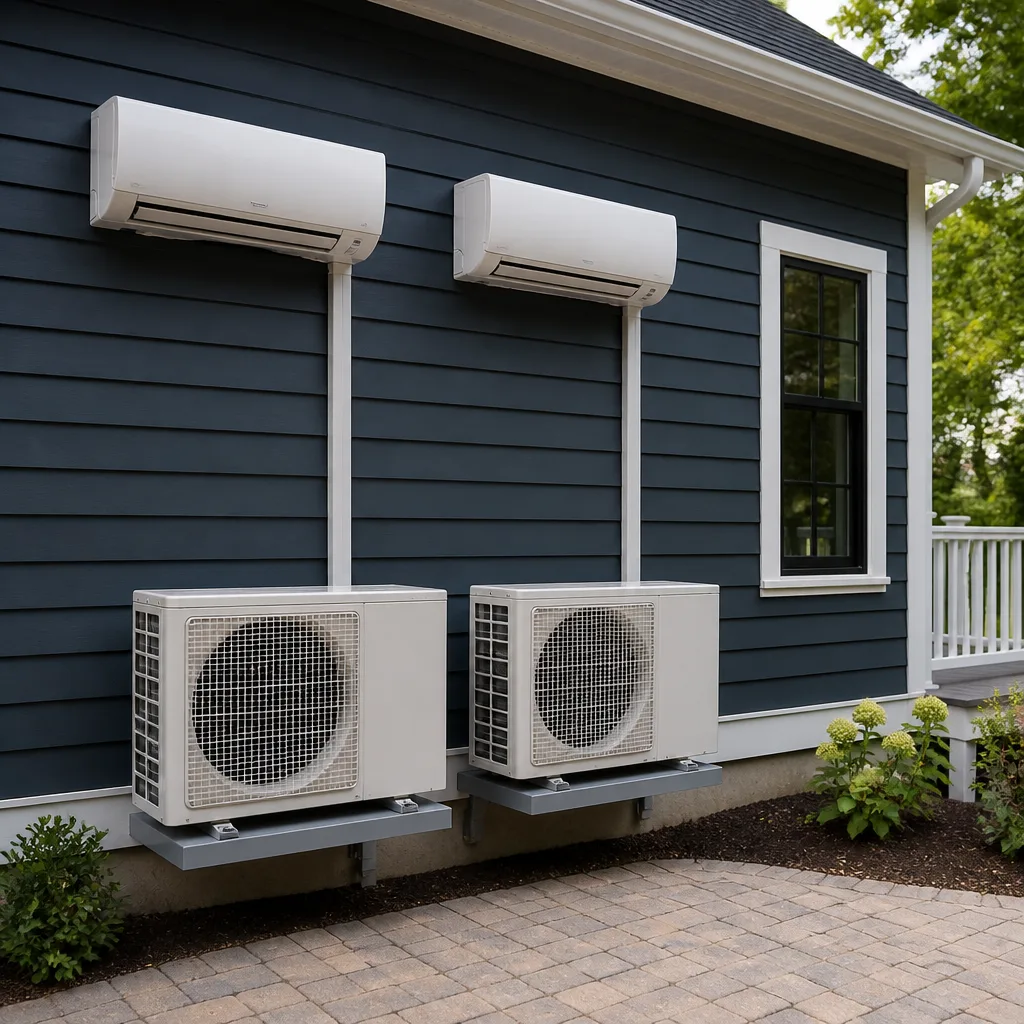 Ductless mini splits
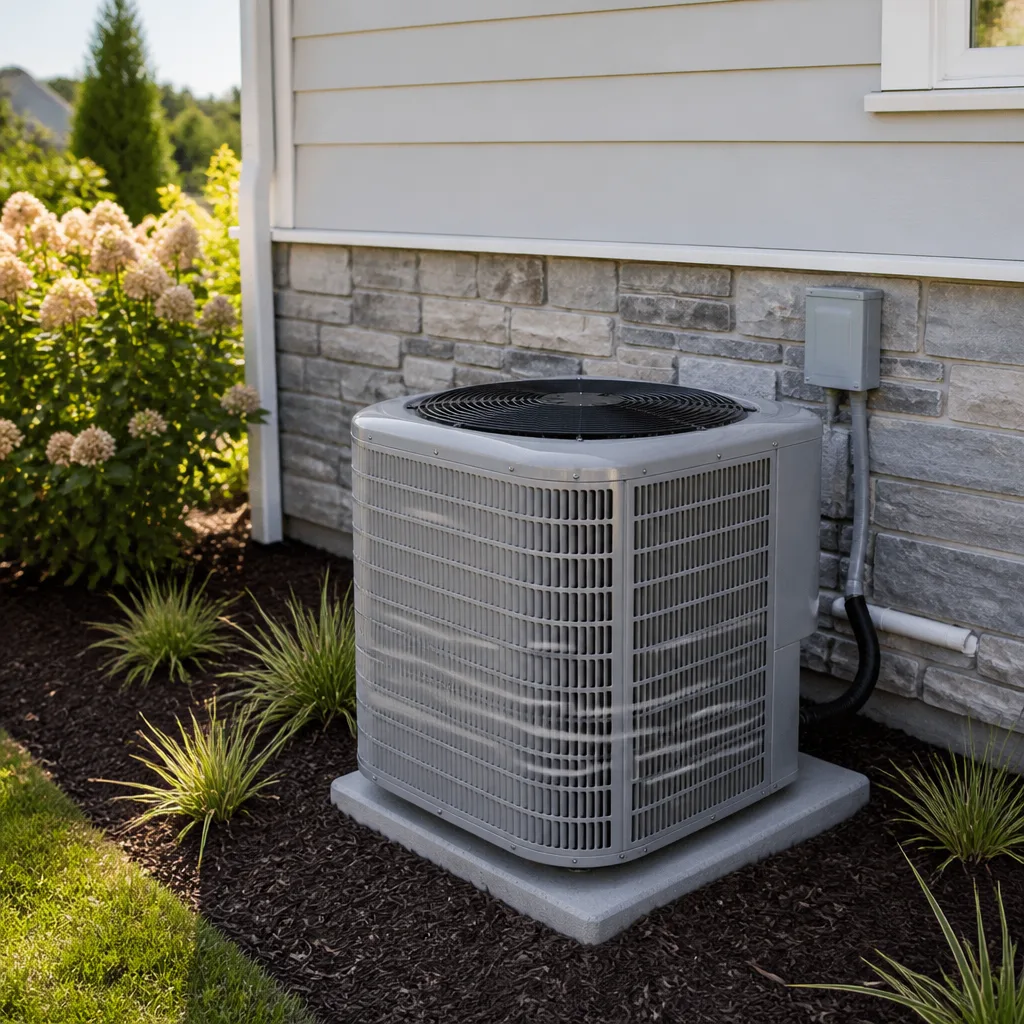 Carrier
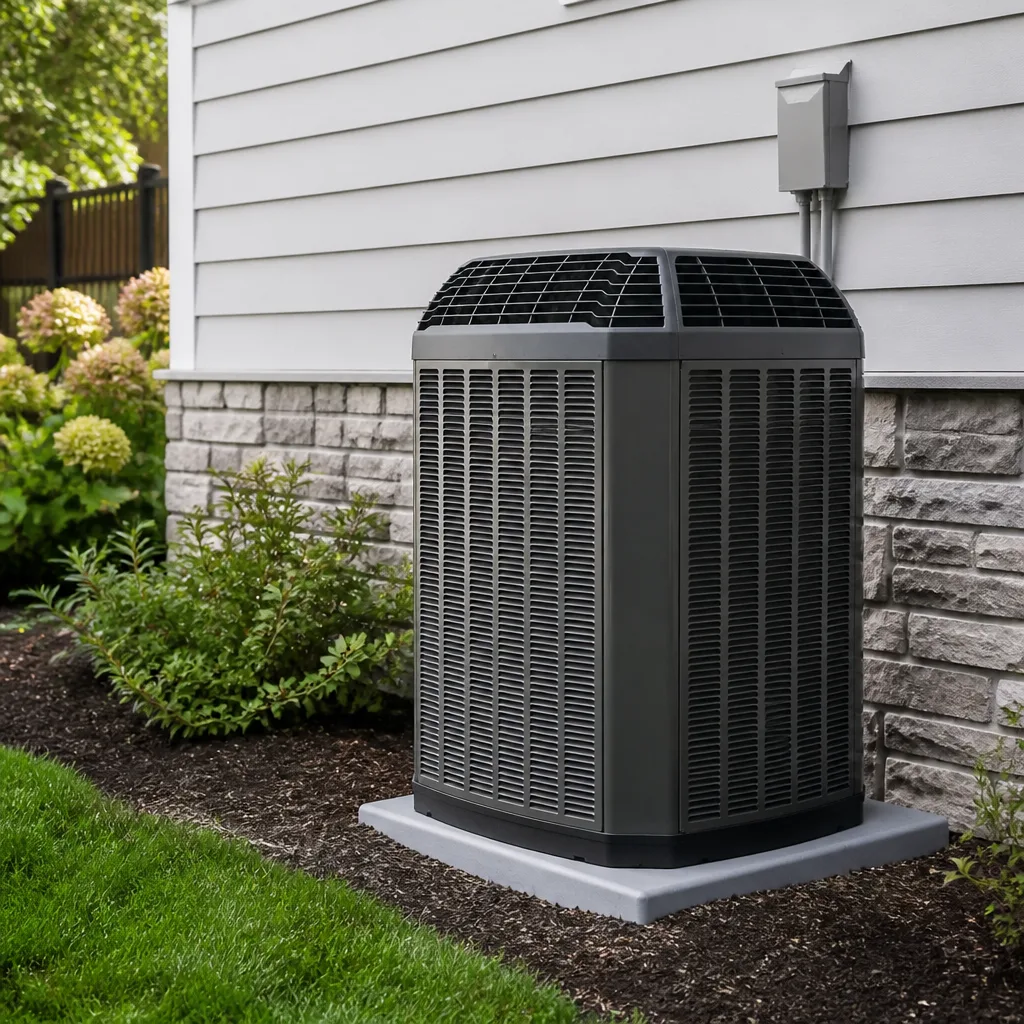 Trane
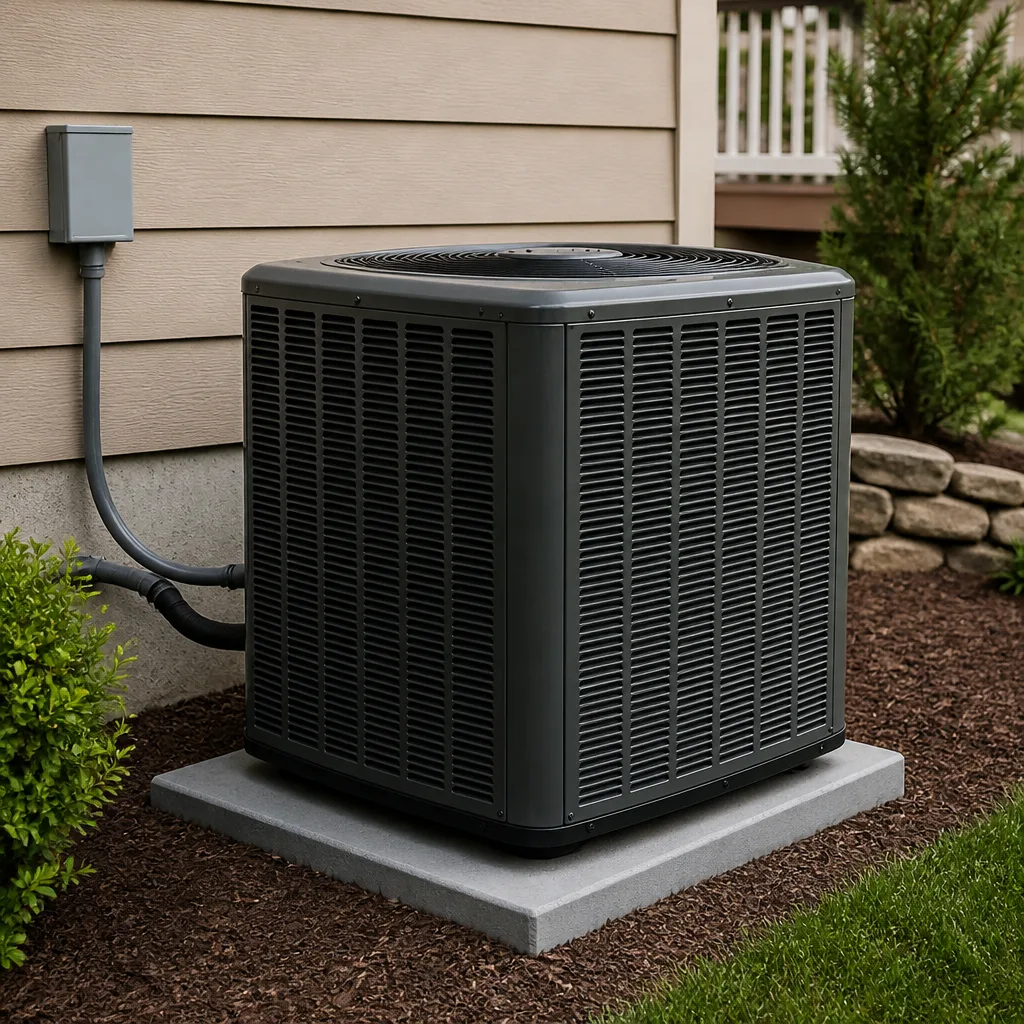 Goodman
Seasonal tune-up and full diagnostic on your Carrier, Trane, or Goodman system - readings shown to you before any repair is proposed
Diagnosis first, numbers second - you approve the repair price before a single part goes in.
Get your free estimateHVAC Warning Signs: A Downey Homeowner’s Reference Guide
Two homes can show the exact same symptom and need completely different repairs. Reduced cooling, ice on the refrigerant lines, and a climbing electric bill could point to a dirty evaporator coil that a cleaning fixes, or a refrigerant leak that needs an EPA-required leak search and a proper repair. The symptoms don’t tell you which one you’re dealing with. The cause does. This guide maps the eight most common HVAC warning signs we get called about in Downey to their likely mechanical causes, so you can tell what’s urgent, what can wait, and what to say when you call. You’ll also learn why local water chemistry matters to your condensate system and how brand-specific quirks on systems like Carrier and Trane can fool a technician who doesn’t work on them regularly.
Quick Answer
Most HVAC warning signs fall into one of three buckets: airflow problems, refrigerant problems, or mechanical wear. Short cycling, loud startup noises, and water pooling usually need same-day attention because they can escalate to a full breakdown or property damage. Weak airflow, uneven cooling, and rising bills often point to a dirty coil or filter and can be scheduled within a few days. Ice formation and unusual odors need a diagnosis before the next cooling season, but they’re rarely an emergency on the day you notice them.
Styles & brands we work with
- AC repair
- Furnace & heating
- Heat pumps
- Ductless mini splits
- Carrier
- Trane
- Goodman
Table of Contents
- Why Is My AC Short Cycling?
- Weak Airflow: What’s Restricting Your System
- Ice on the Lines: A Symptom, Not a Cause
- Unusual Odors and Loud Startup Noises
- High Bills and Uneven Cooling
- Water Pooling and Downey’s Hard Water Problem
- Brand-Specific Failure Patterns
- How to Describe a Symptom So It Gets Fixed First Visit
Why Is My AC Short Cycling?
Short cycling means your system turns on, runs for a few minutes, shuts off, then starts again shortly after. If your AC is cycling on and off every few minutes instead of running in longer cycles, the system is almost certainly cutting out on a safety control or thermostat misread. The most common causes we find are a refrigerant charge that’s off enough to trip the low-pressure switch, a clogged air filter choking airflow until the system overheats, or a thermostat placed in a spot that reads the wrong temperature.
Short cycling is a same-day call in most cases. The compressor is the most expensive part of your system, and every unnecessary start-up wears it a little more. In Downey’s summer heat, a system that can’t complete a full cooling cycle also never gets the house down to temperature, so you’ll feel the problem even before you see a repair bill.
A technician needs to check three things: refrigerant pressures, airflow across the evaporator coil, and thermostat calibration. If the culprit is a dirty filter, you can often check that yourself before the call by pulling it and holding it up to a light. If you can’t see through it, replace it.
- Likely causes: low refrigerant charge, restricted airflow, failing capacitor, thermostat placement
- Urgency: Same-day. Compressor damage compounds fast.
- What to tell the dispatcher: “It’s cycling on and off every few minutes and never gets the house cool.”
Weak Airflow: What’s Restricting Your System
If the air coming out of your vents feels weak or barely registers against your hand, the problem is usually in the duct path or the coil, not the compressor. Weak airflow means the blower is moving less air than the system was designed for, which raises the temperature of the air across the evaporator coil and reduces cooling capacity at every room. A system with weak airflow may run constantly and still leave rooms warm.
The order we check things in:
- Filter. A clogged filter is the single most common cause. Check it before anything else.
- Return air path. Furniture, rugs, or boxes blocking return grilles will do it.
- Evaporator coil. Dust buildup on the coil fins blocks air and cuts heat transfer. This is common in homes near busy corridors where dust settles fast.
- Blower wheel. A dirty blower wheel loses efficiency without making any noise.
- Duct leakage or a collapsed flex duct. Less common but not rare in older Downey homes with attic ductwork.
If the filter is clean and the returns aren’t blocked, this is a next-available scheduling situation rather than an emergency. Weak airflow isn’t dangerous, but letting it go through a full summer will cost you on the electric bill and can shorten the life of the blower motor. In our experience, most weak-airflow calls trace back to a coil or blower that hasn’t been cleaned in years.
Ice on the Lines: A Symptom, Not a Cause
Ice forming on the refrigerant lines or on the indoor coil itself almost always means one thing: the system is running with too little refrigerant or too little airflow across the evaporator. When airflow drops or refrigerant charge drops, coil temperature falls below freezing, and condensation freezes on the coil instead of draining away. Seeing ice doesn’t tell you which of those two causes you have.
That’s the key thing to understand about ice. A thin layer of frost can come from a dirty coil and a weak charge and a restricted filter, and the repair cost varies widely depending on which one it is. A coil cleaning is a straightforward job. A refrigerant leak requires locating the leak, repairing it, evacuating the system, and recharging to the manufacturer’s spec, which is a different and more involved repair.
Turn the system off if you see significant ice buildup. Running it while frozen can damage the compressor. Let it thaw, then call for a diagnosis rather than assuming a recharge is all you need. Recharging without finding the leak just gets you back to the same problem in a few months. In Downey, where the cooling season runs long, that repeat call comes quickly.
- Likely causes: low refrigerant charge, restricted airflow, failed blower
- Urgency: Turn it off, schedule diagnosis before the next heat wave.
- What to tell the dispatcher: “There’s ice on the copper lines going into the unit.”
Unusual Odors and Loud Startup Noises
Smells and sounds are the two warning signs homeowners tend to discount because they don’t affect cooling directly. They’re worth taking seriously anyway. A musty, dirty-sock smell coming from the vents usually points to microbial growth on the evaporator coil or in the drain pan, often because the condensate pan isn’t draining fully. A burning or electrical smell is different and more serious: shut the system down and call.
On the sound side, here’s the mapping we use:
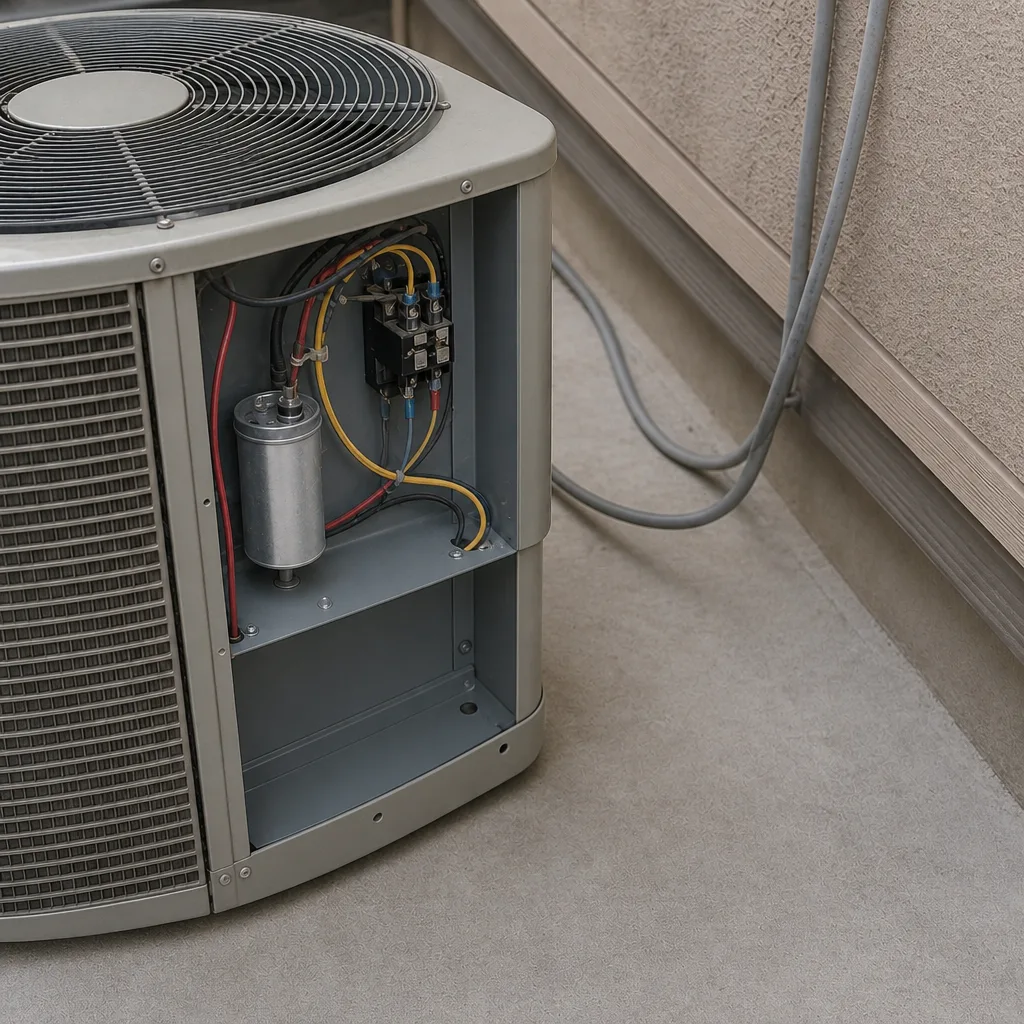
- Clicking at startup then nothing: capacitor or contactor failure. The system tries to start and can’t.
- Loud metallic clanking on startup: loose or failing blower components, sometimes a broken mount.
- Buzzing or humming that lasts: electrical issue at the contactor or compressor windings.
- Squealing: a blower bearing or belt (belt-drive systems only) going out.
Startup noise on its own isn’t an emergency if the system still cools. But clicking and failed starts are same-day calls because the compressor can be permanently damaged by repeated failed starts. If your system clicks but doesn’t spin up, don’t keep flipping the thermostat to try it again. Call instead.
If you’re already calling for a repair, we can look at both sides of the system while we’re there. One call covers your AC and your furnace, so we don’t need to schedule a second technician to diagnose a shared problem.
High Bills and Uneven Cooling
A sudden jump in your electric bill with no change in habits is one of the slowest warning signs to notice and one of the most useful. The most common causes we see are a system running longer cycles than it used to (often from low charge or dirty coils), a failing compressor drawing more current than it should, or a duct leak dumping conditioned air into the attic. None of these produce dramatic symptoms. All of them raise your bill before they produce a breakdown.
Uneven cooling – one room warm while another sits at a comfortable temperature – usually points to a distribution problem rather than a capacity problem. Common culprits:
- Duct runs to the warm room that leak or are undersized
- Return air that pulls from the wrong area
- A failing zone damper if your system is zoned
- A room with poor insulation relative to the rest of the house
In Downey, the combination of long cooling runs and many homes with attic ductwork means duct issues cause a meaningful share of high-bill complaints. If you’re seeing both a bill jump and uneven cooling, the two are often linked. Neither is an emergency on its own. Both are worth scheduling a diagnostic to find the cause rather than guessing at parts.
For a full picture of what’s going on, our team handles AC repair on the same visit, so a single diagnostic covers charge, airflow, and thermostat calibration.
Water Pooling and Downey’s Hard Water Problem
Condensation from your AC has to go somewhere, and in Downey it travels through a condensate drain line that can run under the slab, into a utility closet, or up and out through the attic. Hard water leaves mineral scale on the inside of that drain line every cooling season. In homes with older drain lines and heavy scale, the line narrows year after year until it fully clogs. When it clogs, the water has to go somewhere else – often a drain pan that overflows into a ceiling or wall.
Water pooling near the indoor unit, on the floor, or spotting on a ceiling underneath the air handler is a same-day call. A slow drip you can wipe up in the morning is still urgent, because the same clog that produces a spot on your ceiling can produce a stain that spreads. The early signs of a condensate problem to watch for:
- Water spots on a ceiling or wall below the air handler
- Algae or pinkish growth visible on the drain pan
- Bubbling or gurgling sounds from the drain line while the system runs
- A musty smell that gets stronger when the AC runs
If you catch it early, a drain line can often be cleared and flushed on a routine call. If the line has been neglected for years through Downey’s long cooling seasons, the flush may need to be more thorough, and the drain pan may need replacement. Our technician will tell you straight whether the pan needs replacing or just a flush.
Water pooling inside the cabinet of an outdoor unit is a different problem entirely. That’s usually the sign of a cracked drain pan or a fan issue, not a clogged line. Either way, water where it shouldn’t be is a call today.
Brand-Specific Failure Patterns
Not every system fails in the same way. If a technician hasn’t worked on your specific brand, they may read a symptom as a generic problem when the manufacturer has a known pattern for that model line. A Carrier Infinity communicating system, for example, uses a data connection between the thermostat and the indoor and outdoor units. When that communication link has a problem, the system throws a specific error code, but the symptom from the homeowner’s side looks like “the system won’t turn on.” A technician without experience on that platform might chase a power supply or thermostat issue for a while before realizing the fault is in the communicating control wiring.
Similar patterns exist across the industry. A Goodman and a Bryant of similar age won’t fail the same way under the same conditions. Trane systems have their own control and defrost behavior. American Standard systems have model-specific charge and airflow specs that need to be checked against the right documentation. None of this is a knock on any brand. It’s just that specific modes have specific failure signatures, and knowing them shortens the diagnosis.
We’re certified to diagnose and service nine major HVAC brands – Carrier, Trane, Lennox, Goodman, Rheem, York, Daikin, Bryant, and American Standard – so a technician arriving on your call knows the equipment rather than learning it in your driveway. In our experience, brand familiarity is the single biggest time saver on repair calls that involve controls or charge work.
How to Describe a Symptom So It Gets Fixed First Visit
The right parts on the first visit depends heavily on what the dispatcher hears on the call. If you can describe what you’re seeing, hearing, and feeling in plain terms, the call can be routed to a technician with the right tools and the right inventory.
- Say what the system does instead of what’s wrong. “It clicks and shuts off after two minutes” gets you further than “it’s not cooling.”
- Give the age of the system if you know it. A 20-year-old unit has different likely failures than a 3-year-old one.
- Name the brand and model if it’s printed on the unit. Carrier, Trane, Bryant, American Standard – the more specific you can be, the better.
- Describe the smell, noise, or water location precisely. “Musty smell from the bedroom vents” tells a different story than “funny smell in the house.”
- Confirm what you’ve already checked. If you’ve replaced the filter and verified the thermostat is on cool and set low, say so.
One call covers both sides of the system, so if your furnace is also making noise, mention it on the same call. Our technicians have up to 12 years of experience, and they arrive knowing the equipment. For a full assessment of your equipment status, our AC Repair Downey page covers the diagnostic process.
Common Mistakes to Avoid
- Recharging a system without finding the leak. Refrigerant doesn’t get used up; if it’s low, it leaked out. Recharging without an EPA-required leak search just puts a clock on the same problem coming back. It’s the most common and most expensive mistake we see on AC repair calls.
- Running a frozen system to “see if it thaws on its own.” Ice on the coil means the compressor is running under the worst possible conditions. Turn it off and call for a diagnosis instead of letting it run.
- Replacing the filter with the wrong size or rating. A filter with a MERV rating too high for your blower restricts airflow and can cause every symptom on this list. Match the size and loading your unit was designed for, especially in an older Downey home with tight return ducts.
- Ignoring a slow drip on the ceiling. Condensate drain backups are the most preventable cause of interior water damage we see. Downey’s hard water makes drain clogs predictable over time, so a drip today is a stain on your ceiling next month.
- Trusting a generic technician on a communicating system. Carrier Infinity and similar communicating systems require specific diagnostic tools and platform familiarity. A generalist call can turn one visit into three.
- Letting an HVAC tech sell you a replacement on the first visit. Some problems look like equipment failure but trace to a capacitor, a clogged coil, or a thermostat. Ask for the specific diagnosis before deciding to replace anything.
- Guessing at a brand-specific part without the model number. Say the model out loud on the call. It’s the difference between a stocked part and a second visit.
See the difference
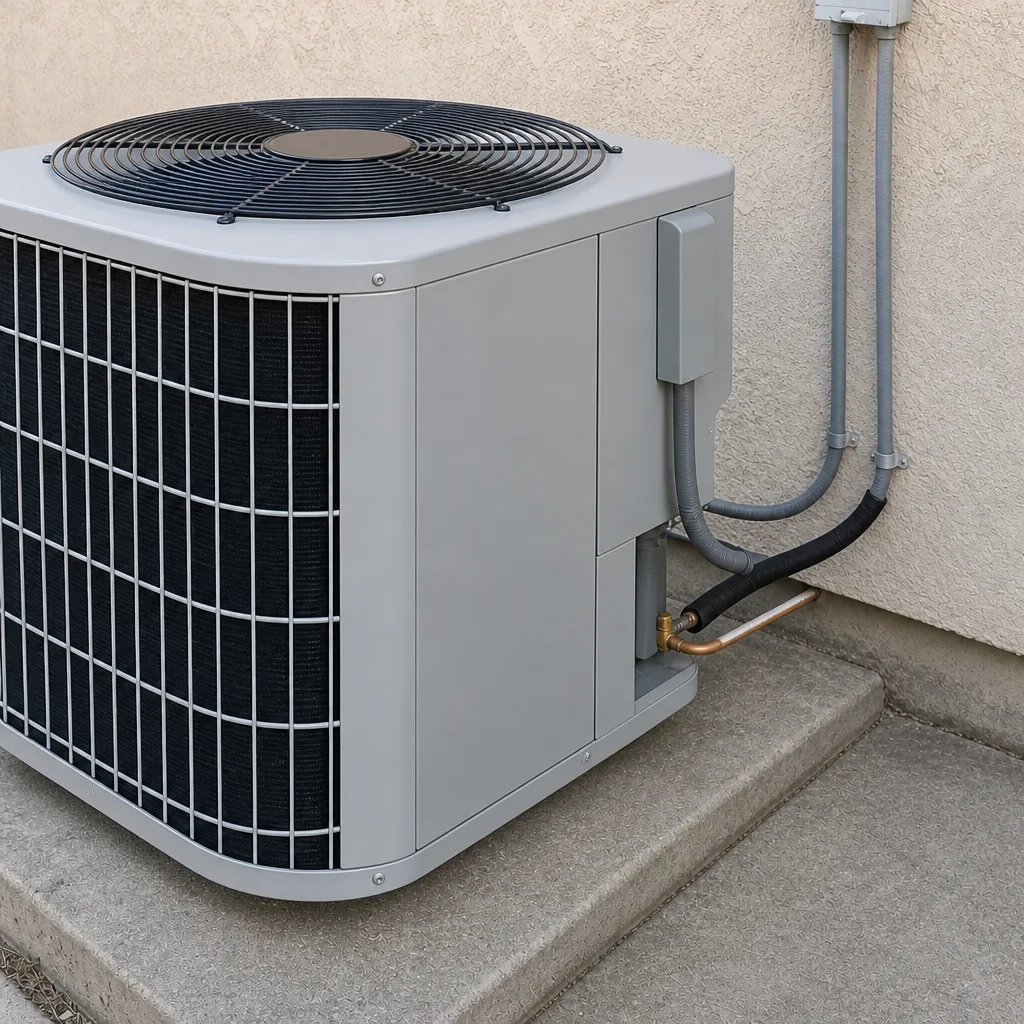
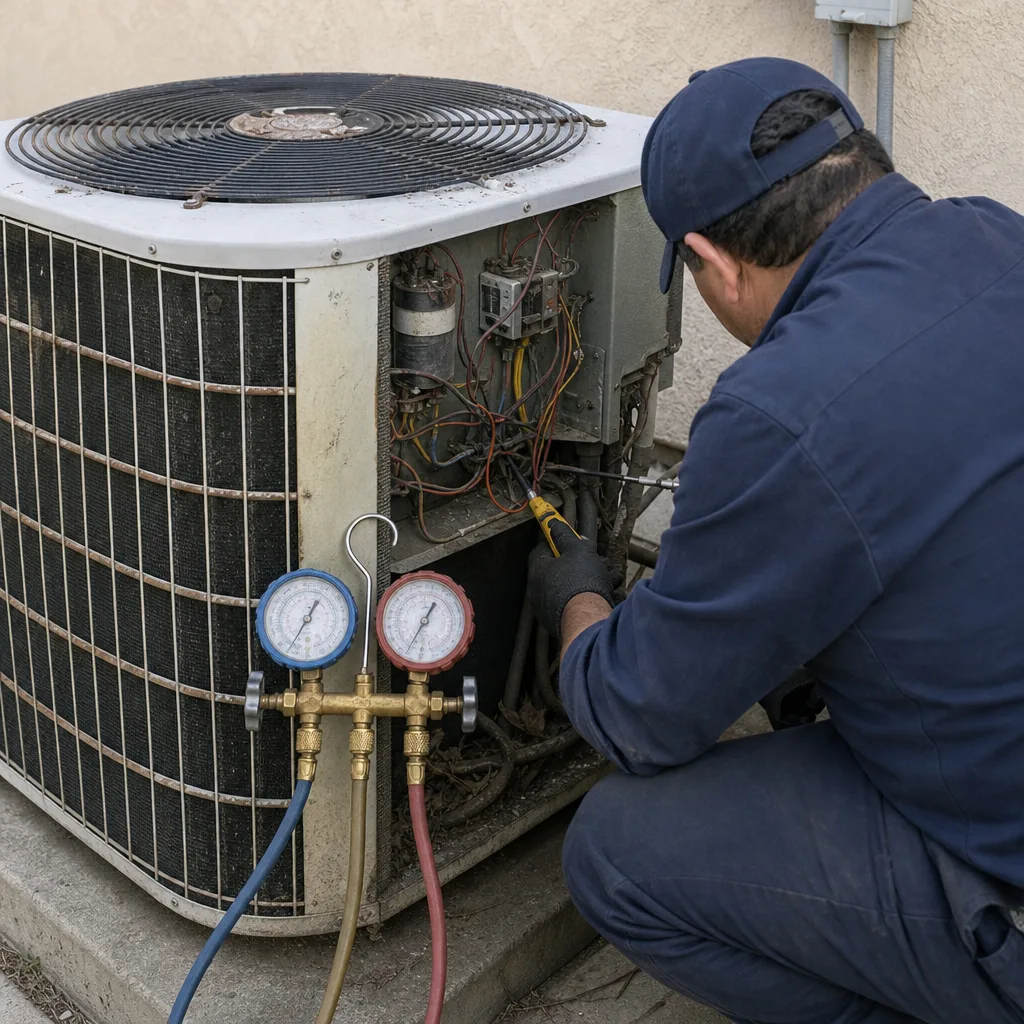 Before
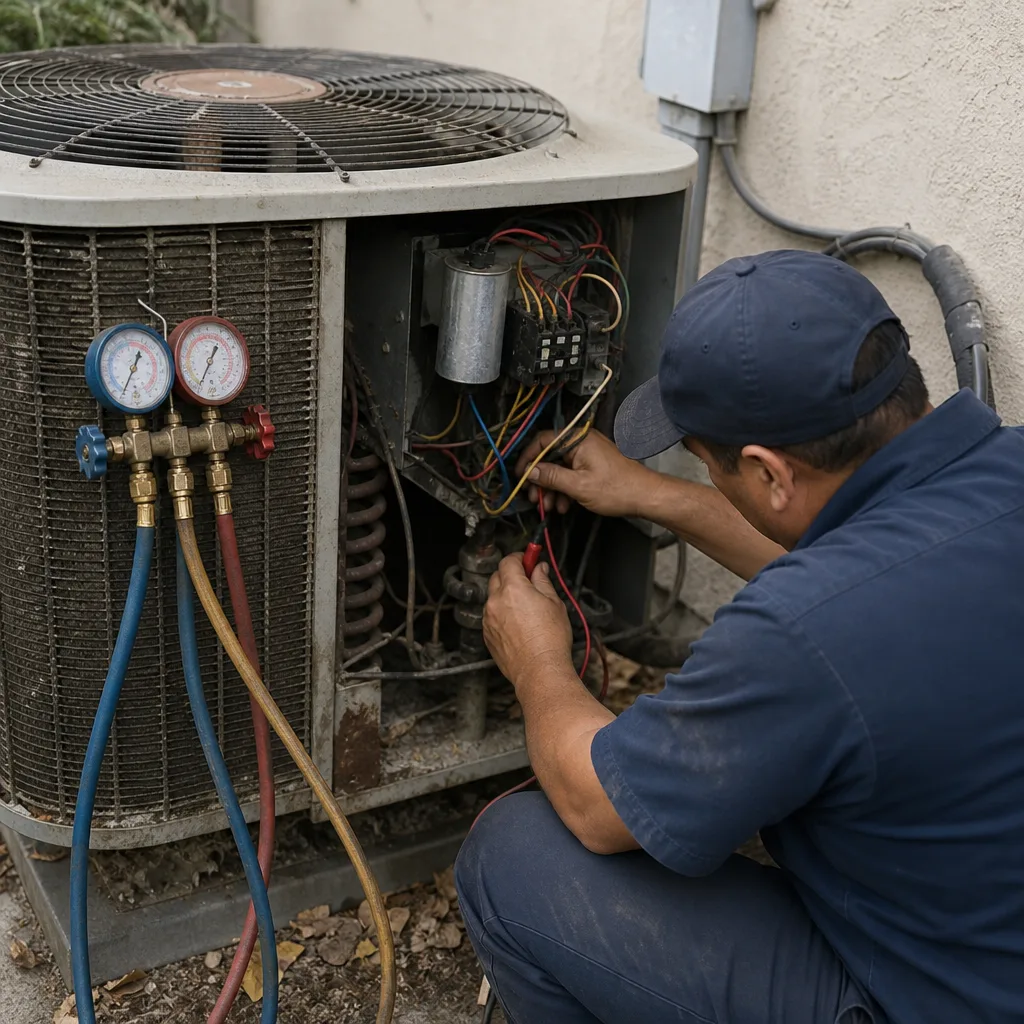
 After
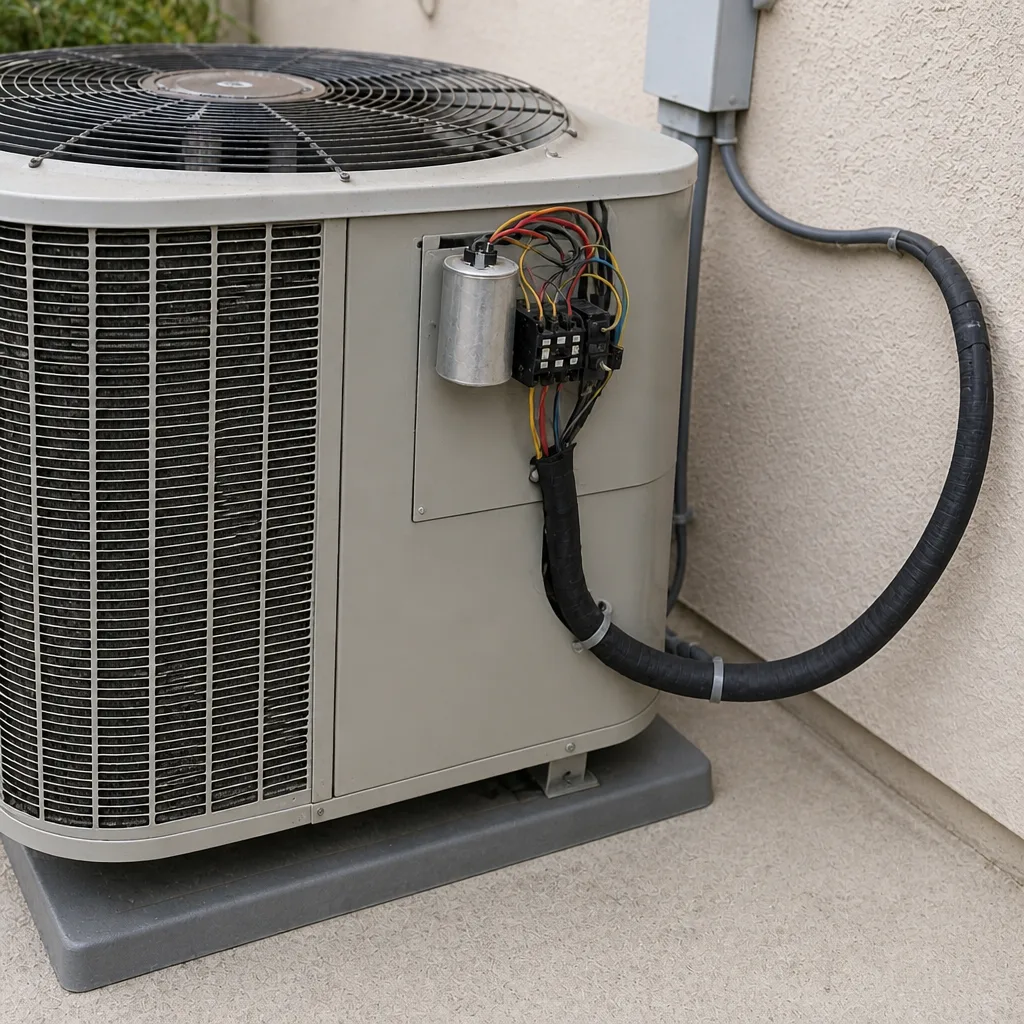
 Before
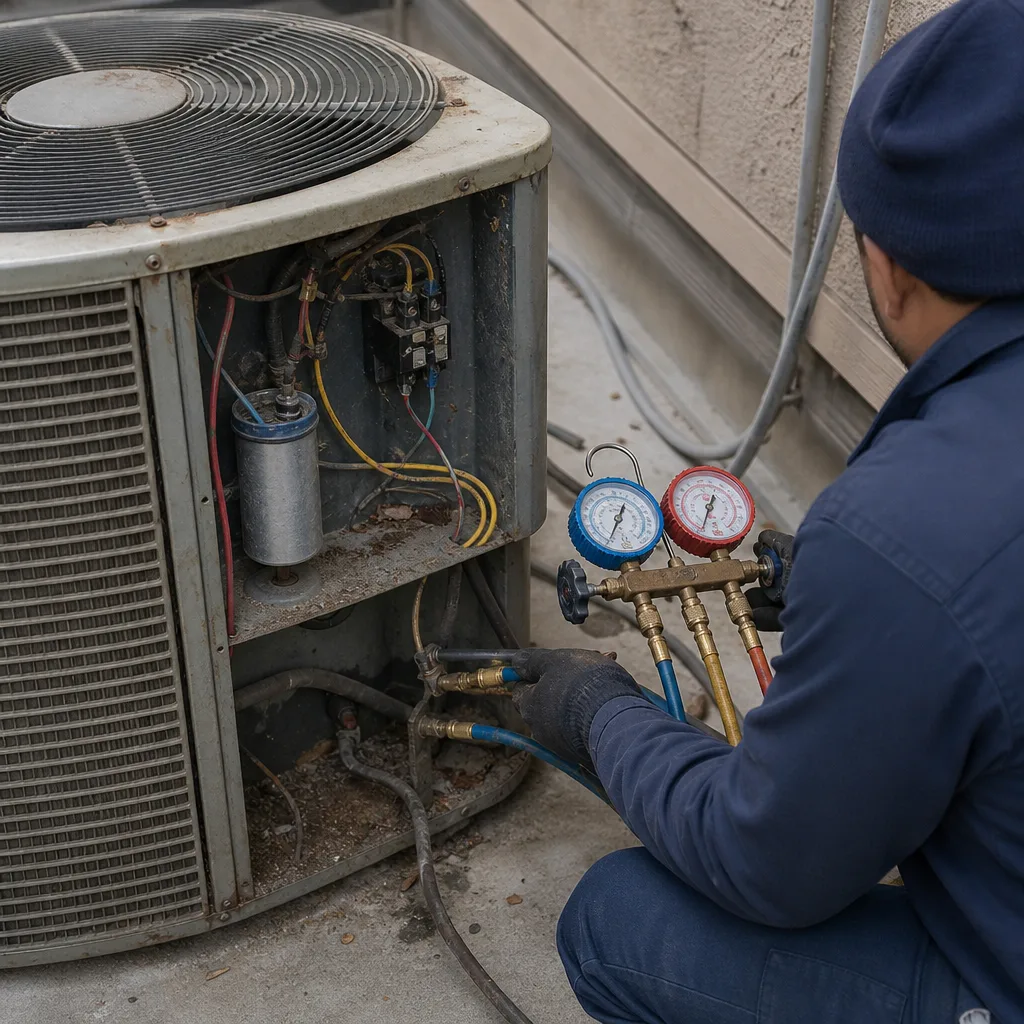
 After
 Before
 After
When to Call a Professional
If your system is short cycling, clicking but not starting, leaking water, or making metallic noises on startup, that’s a call today. If your electric bill has jumped and you can’t trace it, or one room never gets cool, schedule a diagnostic within the next week or two before the next heat wave. If you see ice on the lines, turn the system off and schedule the call; running a frozen system damages the compressor. If you smell burning from the vents, shut it down and call.
Our technicians work on both halves of your HVAC system in a single visit, and we handle carrier, Trane, Lennox, Goodman, Rheem, York, Daikin, Bryant, and American Standard equipment every week. AC Repair Downey offers free estimates in Downey – call (855) 677-0314. We answer 24/7. Fast dispatch from 7am to 7pm, Sunday through Friday.
Frequently Asked Questions
Most residential AC systems last 12 to 15 years with regular filter changes and coil cleaning. Systems that don’t get maintenance usually land on the lower end of that range. If yours is past the 12-year mark and showing more than one warning sign, ask for a straight repair-or-replace recommendation based on the actual issue rather than the system’s age.
Short cycling that damages the compressor is the most expensive. A compressor replacement costs several times what the initial repair would have. Second is a condensate drain backup that damages ceilings and walls. Both are worth same-day attention when you spot them.
Not with certainty. Both can cause reduced cooling, ice on the lines, and a rising electric bill. Your filter condition is a decent first clue (a clean filter with frozen lines points harder toward a leak), but the only way to confirm a leak is a proper diagnostic with gauges and a leak search. Call for a free estimate and let the technician tell you which one it is.
Communicating systems use proprietary control communication between indoor and outdoor units, and the error codes are tied to that platform. A technician who isn’t certified on that brand often misdiagnoses the code as a power or thermostat problem. We’re certified to service nine major brands, so the read on a Carrier or Trane code is grounded in the manufacturer’s diagnostic path. Call (855) 677-0314 for an exact quote – estimates are free.
Yes, in almost all cases. The technician needs to see, hear, and test the system in operation, and having someone there to describe what you’ve noticed helps the diagnosis. If you need to step out, let the dispatcher know when you call.
Hard water scale on the condensate system and heavy cooling-season runtimes are local factors that show up on many calls here. A musty smell, a slow drip, or a drain line that needs frequent flushing are worth mentioning when you call. Our Downey page covers what our local techs see most often.
The Bottom Line
The symptoms on your HVAC system look similar across many different failures, and that’s exactly why so many repair calls start with the wrong diagnosis. Short cycling, clicking startups, water pooling, and metallic noise on startup are same-day calls. Weak airflow, uneven cooling, and slow bill creep can be scheduled before the next heat wave. Ice on the lines and unusual odors need diagnosis but not a same-day visit. The right approach is to describe what you’re seeing, hearing, and feeling on the call, give the brand and model if you can, and let a technician who’s certified on your equipment confirm the cause rather than guess at it.
If you’re facing a repair or a replacement decision, our team handles AC installation as well as repair, so we can give you a straight read on which one actually makes sense for your system. Call (855) 677-0314 for a free estimate. We answer 24/7. Fast dispatch from 7am to 7pm, Sunday through Friday.
Written by the team at AC Repair Downey.