
Last updated November 14, 2026
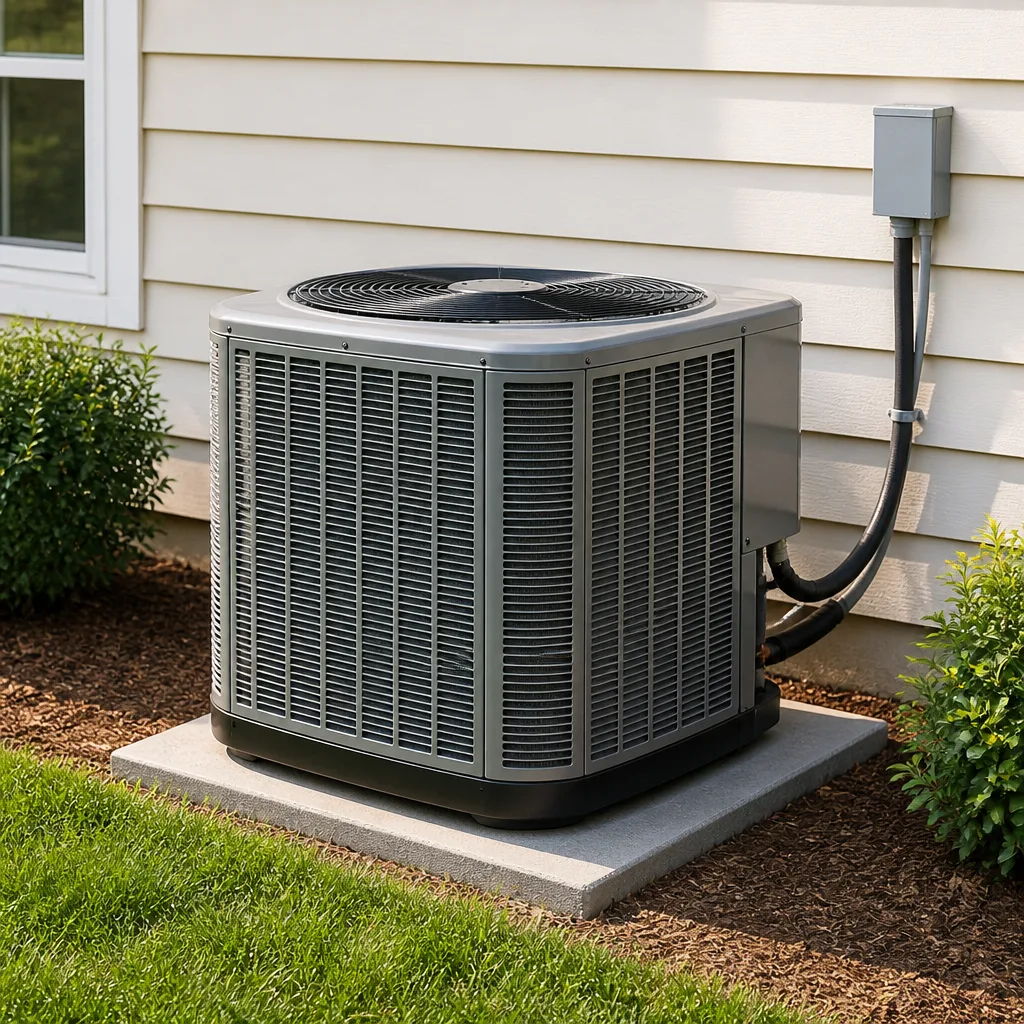 AC repair
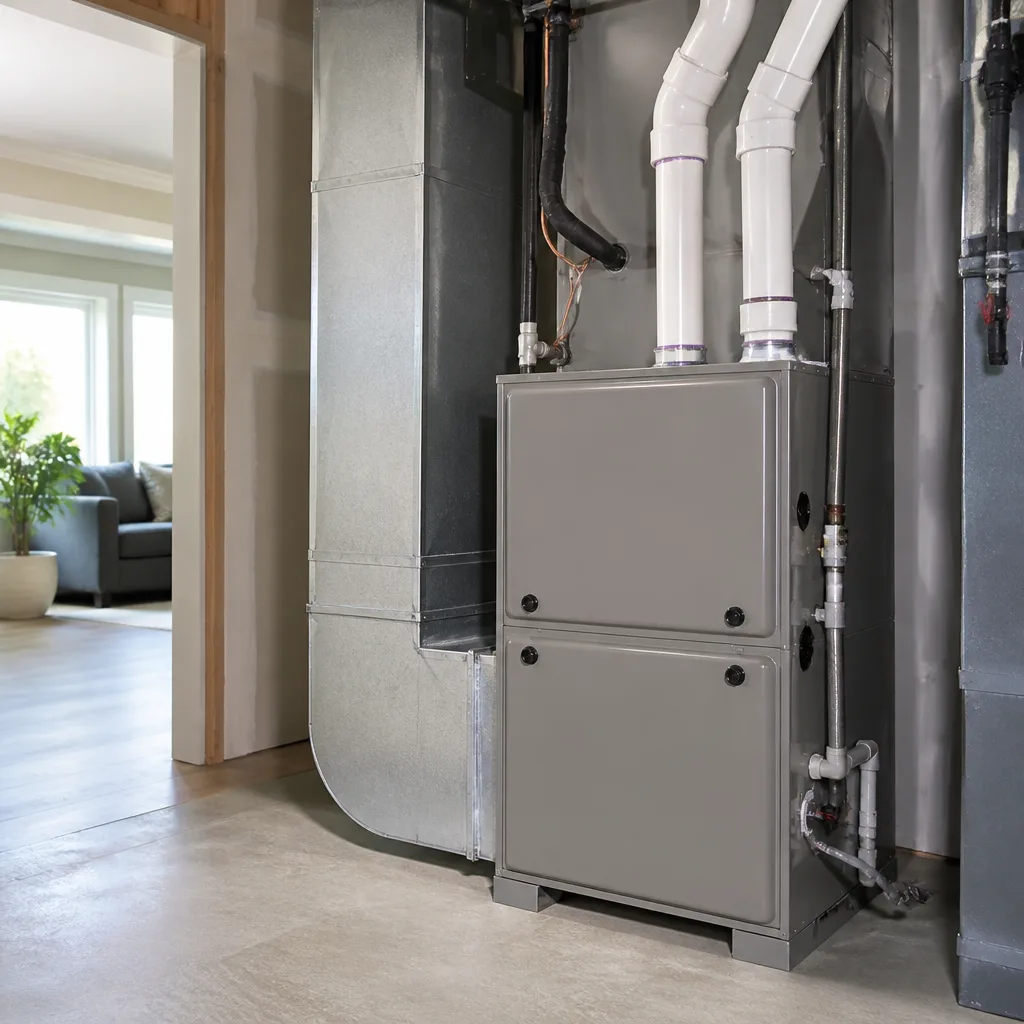 Furnace & heating
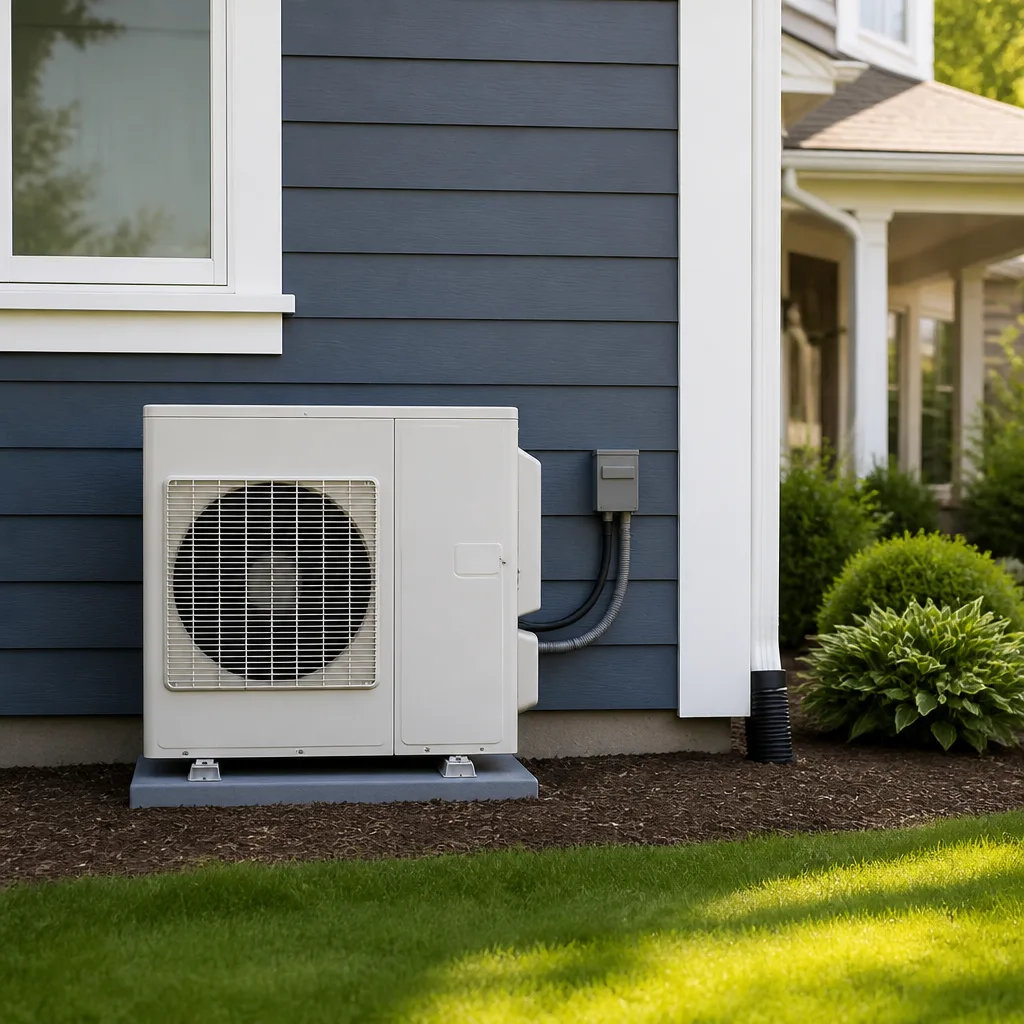 Heat pumps
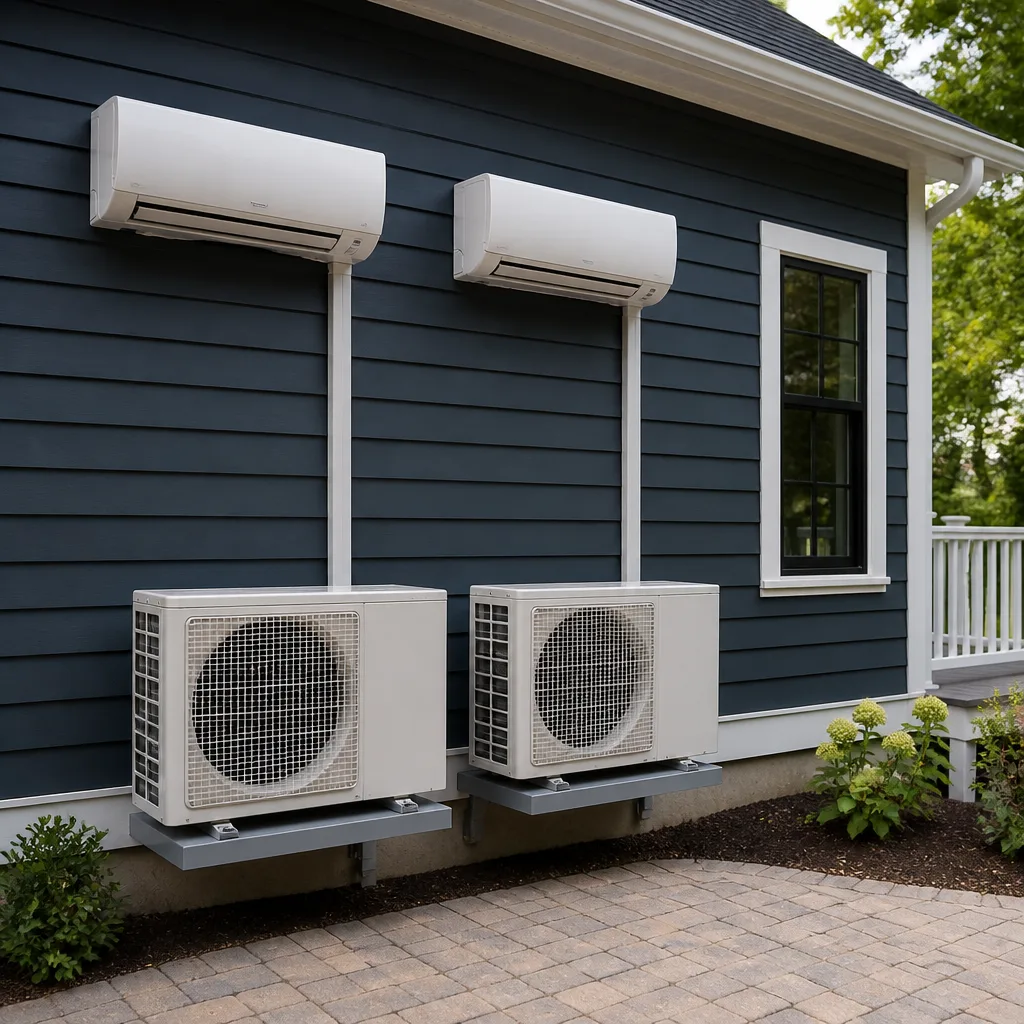 Ductless mini splits
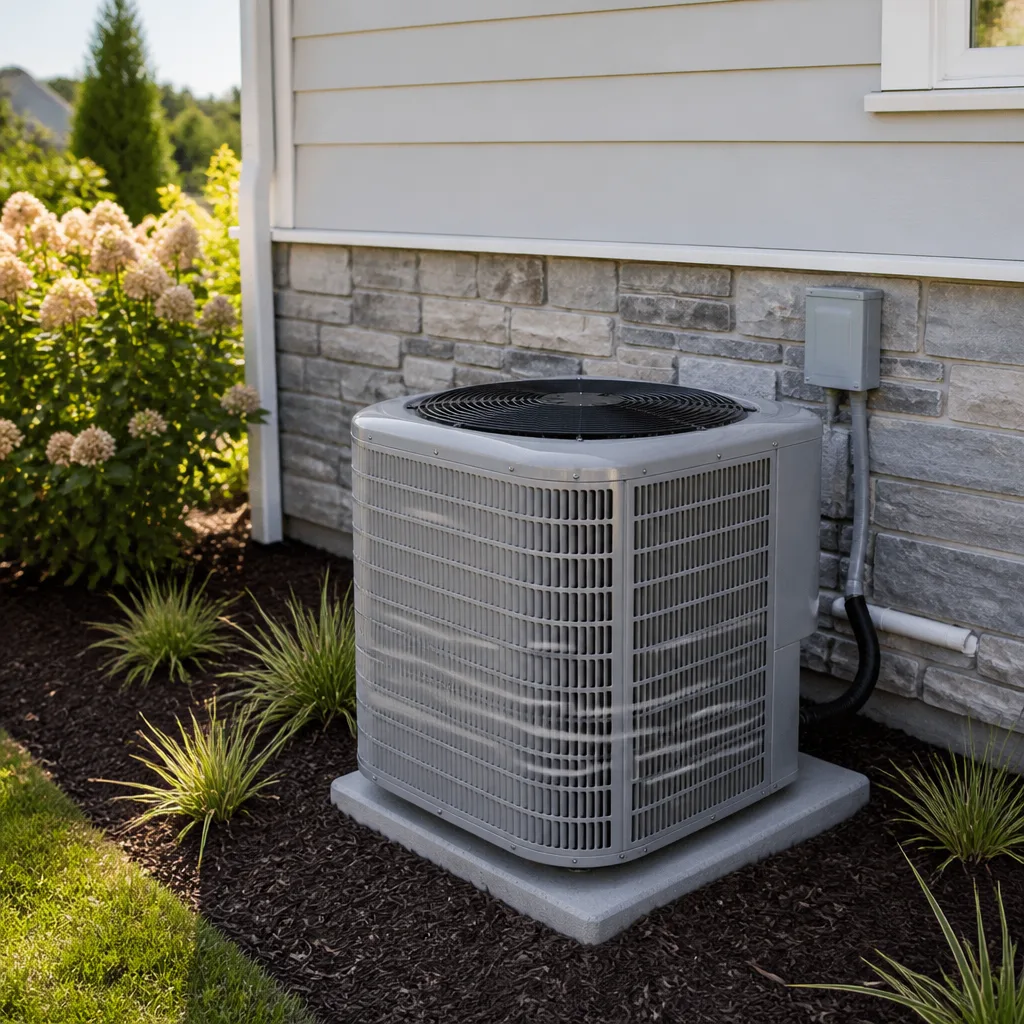 Carrier
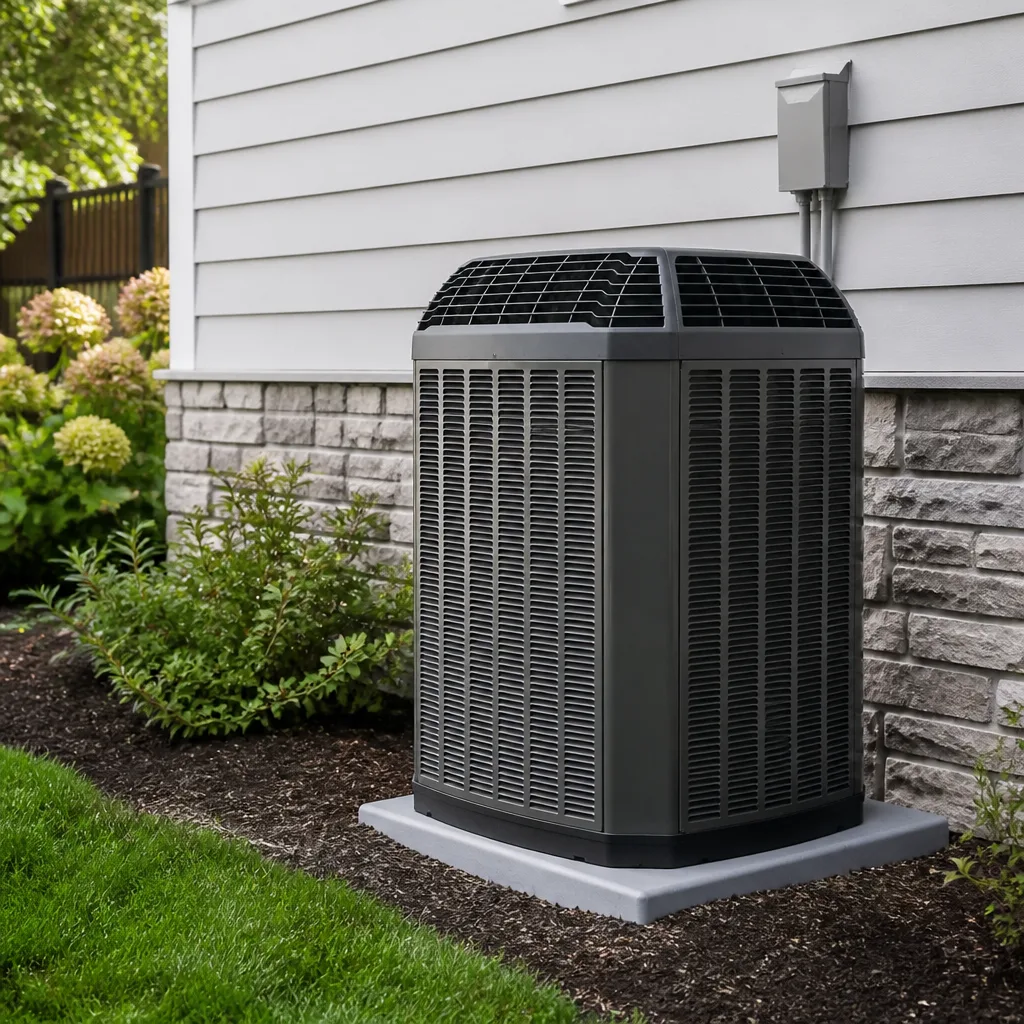 Trane
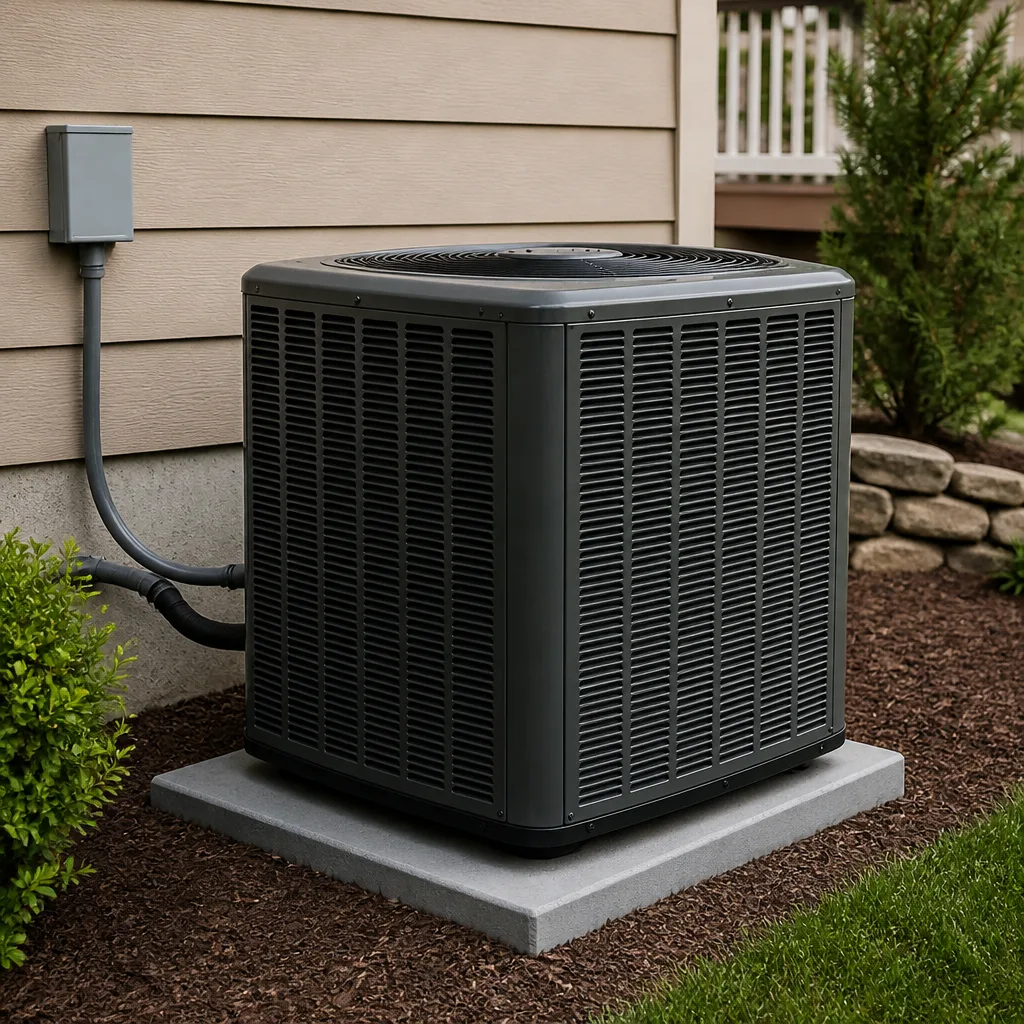 Goodman
Seasonal tune-up and full diagnostic on your Carrier, Trane, or Goodman system - readings shown to you before any repair is proposed
Diagnosis first, numbers second - you approve the repair price before a single part goes in.
Get your free estimateHow to Hire an HVAC Contractor in Downey: A Step-by-Step Guide
A California contractor license tells you that someone is legal to work in the state. It tells you nothing about whether they’ve ever opened a Goodman air handler, or whether they know why a Trane system behaves differently at first startup than a Lennox of similar tonnage. Most homeowners in Downey never ask the question that separates the two, so the quote with the lowest number wins by default. That’s usually a mistake, and it’s an expensive one when the system was sized wrong or the equipment got swapped for whatever the contractor had on hand. This guide walks through the documents to request, the exact questions to ask, and the red flags inside a quote that make it look clean when it isn’t.
Quick Answer
To hire an HVAC contractor in Downey, verify three things before anyone touches your system: a current CSLB license with the correct classification, general liability and workers’ compensation coverage you’ve confirmed with the insurer, and a contractor who will pull the permit in their own name rather than leave it to you. Then ask brand-specific questions about the equipment you actually own. A contractor who services multiple brands can answer them without steering. One who only sells a single manufacturer will find a reason your current system needs replacing.
Styles & brands we work with
- AC repair
- Furnace & heating
- Heat pumps
- Ductless mini splits
- Carrier
- Trane
- Goodman
Table of Contents
- The Three Documents to Request Before Any Permit Gets Pulled
- How to Verify a Downey HVAC Contractor in Under Five Minutes
- The Brand-Specific Questions That Reveal Real Competency
- Why Manual J Load Calculation Matters More Than Price
- Permits in Downey: What the Contractor Owes You
- Reading a Quote: Red Flags Most Homeowners Miss
- Repair or Replace? Questions That Settle It
- A Numbered Hiring Checklist You Can Bring to the Estimate
The Three Documents to Request Before Any Permit Gets Pulled
Ask for three documents before you sign anything, and ask for them in writing. A contractor who hesitates on the first one is worth walking away from. In California, licensing is public record, so there’s no reason a legitimate contractor would resist showing proof.
The three documents are:
- An active CSLB license with the classification that matches HVAC work. The Contractors State License Board issues it, and any current license can be checked on the CSLB website in a minute or two.
- A certificate of general liability insurance naming the amount and the policy term. Look at the expiration date, not just the coverage amount.
- A certificate of workers’ compensation insurance, or a valid exemption if the contractor is a sole proprietor with no employees. If a worker gets hurt in your attic or on your roof and there’s no workers’ comp, you can end up in the middle of it.
None of these three documents tells you whether the contractor is competent. They only tell you whether they’re covered if something goes wrong. That’s why they come first: they filter out the contractors who shouldn’t be bidding on the job at all, so the remaining conversations are about actual capability. Our technicians have up to 12 years of experience, and we work on the system you have rather than the one we’d like to sell you. That’s a claim you should test on every bidder, not just us.
How to Verify a Downey HVAC Contractor in Under Five Minutes
Verification is quick if you know where to look. The CSLB runs a public license lookup, and the insurer or broker named on the certificate can confirm coverage by phone. Three short steps, five minutes total.
- Look up the license number on the CSLB site. Check that the status says “active,” that the classification matches HVAC work, and that the business name on the license matches the name on your quote. A “clean” record with no complaints or disciplinary actions is the baseline.
- Call the insurance broker listed on the certificate of general liability. State the business name and ask whether the policy is current. You’re not asking the contractor, you’re asking the insurer, which closes the gap between “we have insurance” and “we actually do.”
- Confirm workers’ compensation coverage the same way. A certificate with a lapsed date is worse than no certificate, because it looks reassuring on paper.
Downey homes span a wide range of construction eras, from older single-story houses near the downtown core to newer construction out toward the edges of the city. An older attic may need different access considerations than a newer one with a different roof pitch and insulation stack. That’s a local point, not a license point. A licensed contractor can still be wrong about your house if they haven’t looked at it or run the numbers. Verification clears the legal bar; the next section is where competence gets tested.
The Brand-Specific Questions That Reveal Real Competency
Most contractors can talk confidently about “HVAC.” Fewer can answer specific questions about the equipment in your home. That gap is the whole game. Ask these questions before you agree to service, and listen for hesitation.
If your home runs a Trane system, ask what the diagnostic sequence looks like when the compressor short-cycles on a hot afternoon. If you have a Lennox, ask how the variable-speed blower behaves when the return duct is undersized. If it’s a Goodman, ask how they check the control board fault codes. For a Rheem, ask how they verify the reversing valve on a heat pump. These aren’t trick questions. A technician who works on the brand regularly answers them without thinking about it. A technician who doesn’t will pivot to a replacement quote.
The other question worth asking: “Which brands do you service?” A real answer names specific manufacturers. A vague answer like “everything” often means the contractor has a working relationship with one distributor and will push that line. We’re certified on nine major brands, including Carrier, Bryant, York, Daikin, and American Standard, and that’s on purpose. It means we can diagnose and repair the equipment already in your home without steering you toward a specific manufacturer’s product line.
One more test: ask whether the contractor handles both the cooling and heating sides of a split system. In Downey, summer heat loads are real and winter heating does come into play. A company that only handles cooling will hand off a furnace problem to someone else, and you’ll be explaining your system twice. We specialize in HVAC and nothing else, which is why AC Repair Downey handles both sides of the split in a single visit.
Why Manual J Load Calculation Matters More Than Price
Manual J is the ACCA-approved method for calculating how much heating and cooling a house actually needs. It accounts for square footage, window area and orientation, insulation levels, duct leakage, and local climate data. Without it, a contractor is guessing at tonnage. Guessing is how a home ends up with a system that short-cycles all summer or can never quite cool the back bedrooms.
When you ask a contractor how they sized the equipment, listen for one of two answers:
- “We ran a Manual J load calculation.” Correct. Ask if they’ll share the summary sheet. It usually takes a page or two and shows the room-by-room loads.
- “We used the old system’s tonnage” or “the same size as your neighbor’s house.” Wrong, even if the number happens to be close. A same-size replacement assumes the original installation was sized correctly, and that’s not a safe assumption in a house that’s had windows replaced, insulation added, or an addition built since the original equipment went in.
Downey’s summer heat is a real load. Afternoon temperatures push equipment hard, and a system that’s one half-ton undersized will struggle on the hottest days. One that’s oversized will cool too fast and leave humidity behind. Neither shows up on the quote. Both show up in the first August. If a contractor skips the load calculation to keep the quote low, they’re trading your comfort for their margin. A proper AC installation starts with Manual J, every time.
Permits in Downey: What the Contractor Owes You
In most California cities, a full HVAC system replacement requires a permit, and the contractor is expected to pull it in their own name. That’s not just paperwork. The permit triggers an inspection, and the inspection is the only independent check that the installation meets code. If a contractor asks you to pull the permit as a homeowner, that’s a serious problem.
A contractor pulling the permit owes you:
- The permit number, once issued, so you can verify it with the city’s building department.
- The inspection scheduled and completed before the job is considered closed.
- Any corrections handled at their cost, not billed back to you as “extras.”
- The final sign-off documentation, without you having to chase it down.
City permit rules change. The specific requirements for a residential HVAC replacement in Downey can shift, and the best way to know what applies to your address is to ask the city’s building department directly, or ask the contractor to show you the permit once it’s issued. A contractor who knows the local permit process will have the number for you without being asked twice.
For major system decisions, you’ll also want to know what the permit covers. Repair work usually doesn’t require one, but full replacement does. Our AC repair side operates without a permit for that reason, and our installation side always pulls one. Same company, different process depending on the scope. That distinction is worth confirming with any contractor you hire.
Reading a Quote: Red Flags Most Homeowners Miss
Quotes look clean when they’re written on nice paper with a logo. The real information is in what’s missing. Here are the flags we see most often when homeowners ask us to look at a competing bid.
“Like-for-like replacement” with no load calculation
This phrase sounds reassuring, but it usually means the contractor is matching tonnage to the old system without checking whether the old system was sized right. If your home has had any envelope upgrades since the original install, it probably wasn’t. Ask for the Manual J.
No duct assessment
A new air conditioner pushing into leaky or undersized ducts will underperform in the first week. A quote without a duct evaluation is incomplete. Ask how they checked the return and supply sizing.
Brand-locked recommendations
If every quote comes back with the same brand regardless of your situation, that contractor is a dealer for one manufacturer. They may still be competent, but their recommendation is influenced by inventory and dealer agreements. Brand-agnostic service means the recommendation follows your house, not their shelf.
Missing permit line item
If the quote has no mention of a permit for a full replacement, ask. The permit is part of the job. A contractor trying to skip it is either cutting corners or avoiding an inspection.
No written scope of work
A quote that just says “install AC” isn’t a quote. It should list equipment model numbers, refrigerant line work, thermostat, electrical work, permit, haul-away of old equipment, and the startup test results.
Vague warranty language
Manufacturer equipment warranty and contractor labor warranty are separate. Ask for both in writing. If the quote only mentions one, follow up.
Repair or Replace? Questions That Settle It
Nobody wants to replace a system they didn’t choose in the first place. The honest answer depends on three things: age of the equipment, severity of the failure, and refrigerant type. Ask yourself, and then ask the contractor, which of these three situations you’re in.
Situation one: a single failed component on a system that’s otherwise healthy. Compressor capacitor, blower motor, contactor, control board. These are repair situations. A good technician diagnoses the failed part and quotes a fix. Anything else is a sales pitch.
Situation two: a system on older refrigerant with a leaking coil. Refrigerant type matters here. If the system uses a refrigerant that’s being phased down in the supply chain, top-offs become expensive and ongoing. Sometimes repair still makes sense. Sometimes replacement does. You need a contractor willing to say which.
Situation three: two or more major component failures on one visit. Compressor plus blower plus a leak. At that point, the money spent repairing is hard to justify against the cost of a new system. A new system also gets you modern efficiency and a fresh manufacturer warranty.
We give straight answers on this. Repair or replace – we’ll tell you which one actually makes sense for your system. That means sometimes the answer is “fix it,” even when a replacement would be more profitable. A brand-agnostic contractor has no reason to push either way. A single-brand dealer often does, and if that dealer has excess inventory of a particular model, the recommendation may reflect it. If you’re not sure where your system stands, a diagnostic visit is usually the fastest way to find out before you commit to anything.
A Numbered Hiring Checklist You Can Bring to the Estimate
Bring this list to every estimate. If a contractor can’t answer all ten items, you have the answer you need about their operation.
- CSLB license number, verified by you on the CSLB website.
- Certificate of general liability insurance with a current expiration date.
- Certificate of workers’ compensation insurance (or exemption).
- A written, itemized scope of work with model numbers for all proposed equipment.
- A Manual J load calculation summary, not just a tonnage match.
- Duct sizing assessment findings, including return air.
- A copy of the permit once issued (for full replacement).
- Warranty terms in writing: manufacturer equipment and contractor labor, separately.
- Startup test results documented after install (static pressure, refrigerant charge, airflow).
- A clear repair-versus-replace recommendation with reasoning, not just a new-system quote.
Downey homeowners with equipment on the more common brands, Trane, Lennox, Goodman, or Rheem, have plenty of options for service. The checklist works because it doesn’t depend on brand loyalty. A contractor who services multiple manufacturers can answer honestly. One who doesn’t will reveal that in the answers.
Common Mistakes to Avoid
These show up often enough that we flag them in every conversation with a new homeowner.
- Hiring on price alone. The lowest bid often skips the load calculation, skips the permit, or skips the duct assessment. The system still works for the first month, then the problems start.
- Not verifying insurance with the insurer. A certificate on paper means nothing if the policy lapsed last month. One phone call to the broker closes that gap.
- Letting the homeowner pull the permit. If a contractor suggests it, that’s the sign to hire someone else. The permit should be pulled by the contractor doing the work.
- Associating a vague brand answer with flexibility. “We work on everything” usually means the contractor works on whatever their distributor carries. Ask which brands they’re certified to service.
- Confusing a labor warranty with the manufacturer’s equipment warranty. They cover different things and have different claim processes. Get both in writing.
- Skipping a second opinion on a replacement quote. If one contractor says replace and one says repair, get a third assessment. The truth usually reveals itself in the reasoning.
- Choosing a contractor who doesn’t handle furnaces. In Downey, a split system is both cooling and heating. A company that only does AC will push you to call someone else for half your equipment.
See the difference
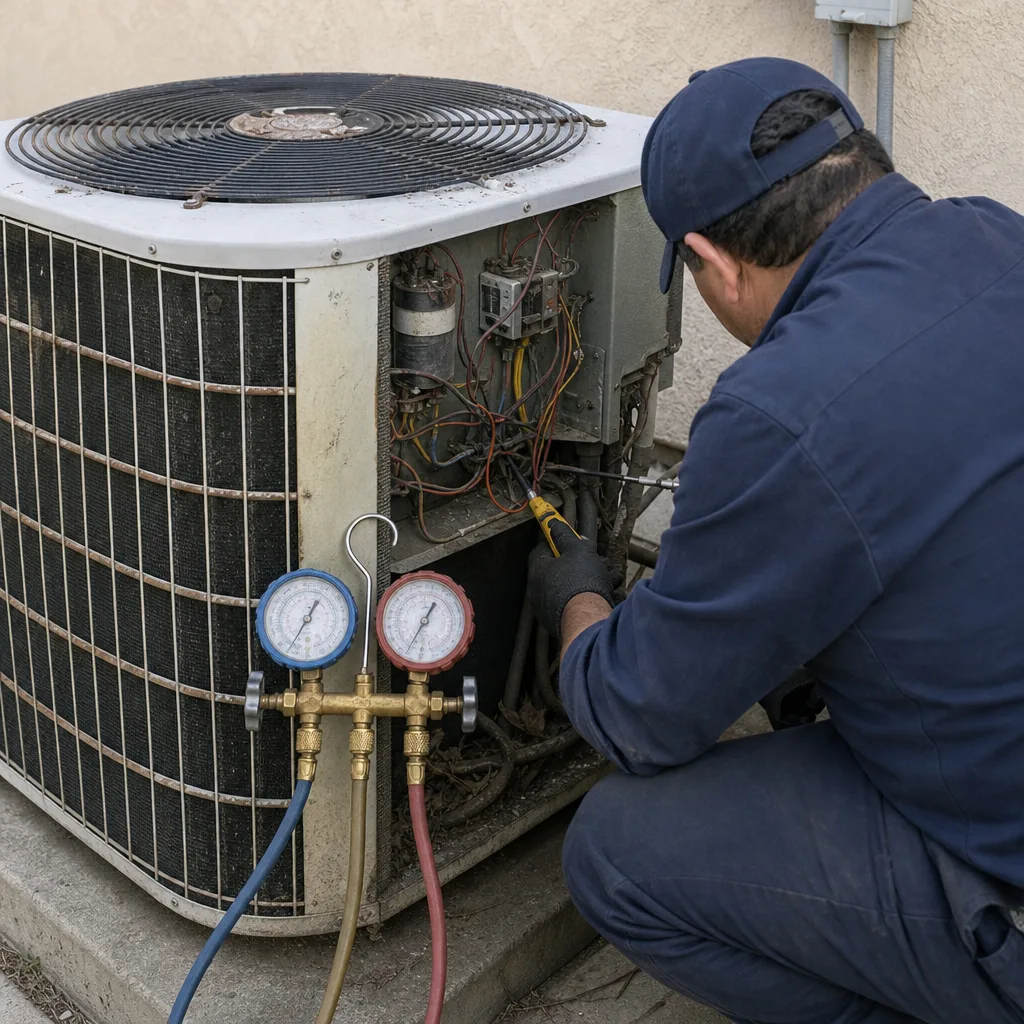 Before
 After
 Before
 After
 Before
 After
When to Call a Professional
Some HVAC situations need a licensed technician on site. Not sure whether your issue qualifies? These are the scenarios that do: refrigerant leaks you suspect but can’t see, an AC that runs but never cools, a furnace that cycles on and off without heating, a system that trips the breaker on startup, a compressor that won’t start, any equipment that uses refrigerant (handling it requires EPA certification), and any full system replacement. Those aren’t DIY decisions. A wrong diagnosis can cost more than the repair itself. If you’re seeing any of these, call us. AC Repair Downey offers free estimates in Downey – call (855) 677-0314. We answer 24/7. Fast dispatch from 7am to 7pm, Sunday through Friday.
Frequently Asked Questions
Look up the license number on the CSLB website and confirm the status is active, the classification matches HVAC work, and the business name matches your quote. Then call the insurance broker listed on the certificate to confirm coverage is current. Call (855) 677-0314 for a free estimate if you want a verified local option.
In most California cities, a full HVAC system replacement requires a permit, and the contractor should pull it in their own name. Ask the city’s building department to confirm the specific requirement for your address, and ask the contractor for the permit number once it’s issued. If a contractor wants you to pull the permit, hire someone else. Call (855) 677-0314 for a free estimate.
Ask brand-specific diagnostic questions: how they check control board fault codes on a Goodman, how a Lennox variable-speed blower behaves with an undersized return, how they verify a reversing valve on a Rheem heat pump. A contractor who works on that brand regularly answers without hesitation. One who doesn’t will pivot to a replacement quote. Call (855) 677-0314 for a free estimate.
Manual J calculates the actual heating and cooling load on your home using square footage, insulation, window area and orientation, and duct loss. Matching tonnage to the old system assumes the original was sized right, which isn’t safe in a house that’s been updated. A contractor who skips Manual J is guessing. Call (855) 677-0314 for a free estimate.
A multi-brand contractor diagnoses the system in your home without steering you toward a specific manufacturer, because their recommendation isn’t tied to one dealer agreement or inventory. A single-brand contractor may still be competent, but their replacement recommendation can reflect what they carry rather than what your home needs. Whether you’re in Downey or another local city, that distinction is worth asking about directly.
Get a second opinion if the reasoning is vague. A single failed component on an otherwise healthy system is a repair. Two or more major failures on one visit usually justify replacement. A contractor who gives you a straight answer either way – and explains the reasoning – is the one to hire. Call (855) 677-0314 for a free estimate.
The Bottom Line
Hiring an HVAC contractor in Downey comes down to three checks before you pick up the phone, and one set of questions after. Verify the CSLB license, verify general liability insurance, verify workers’ compensation insurance. Then ask about the brand of equipment you actually own, ask for Manual J, ask about the permit, and listen for a straight answer. A contractor who specializes in HVAC and services multiple brands can answer all of it. A contractor who can’t is telling you something important. Bring the checklist to every estimate and let the answers do the sorting. The right hire starts the job right.
Call (855) 677-0314 for a free estimate. We answer 24/7. Fast dispatch from 7am to 7pm, Sunday through Friday.
Written by the team at AC Repair Downey.