
Last updated November 14, 2026
 AC repair
 Furnace & heating
 Heat pumps
 Ductless mini splits
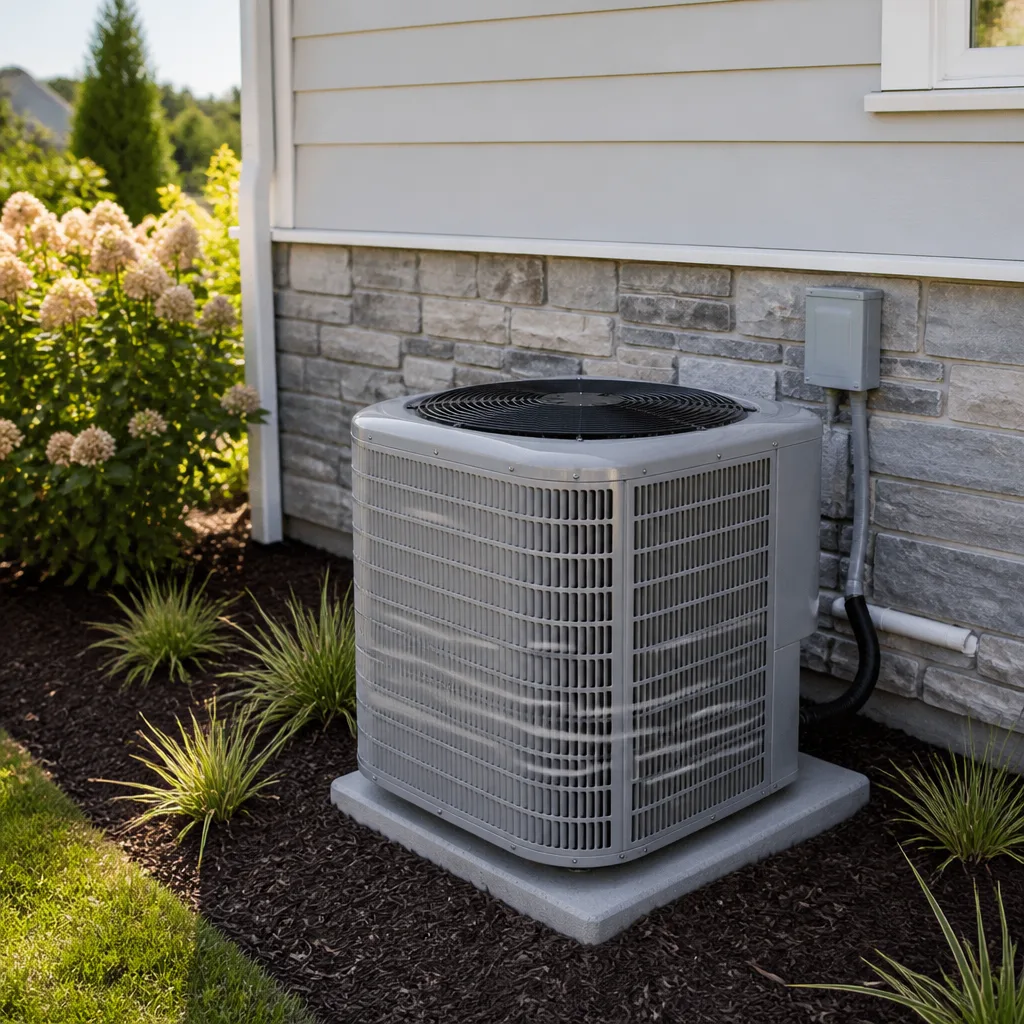 Carrier
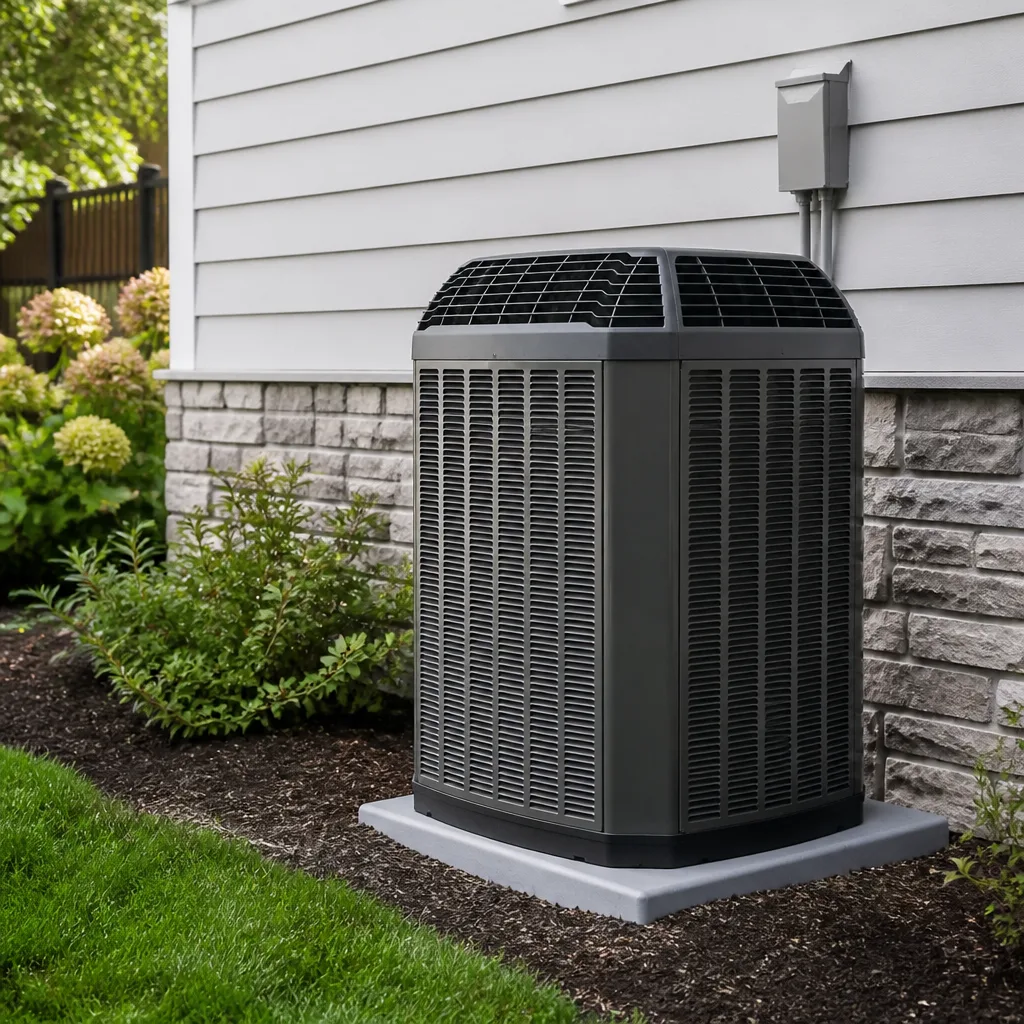 Trane
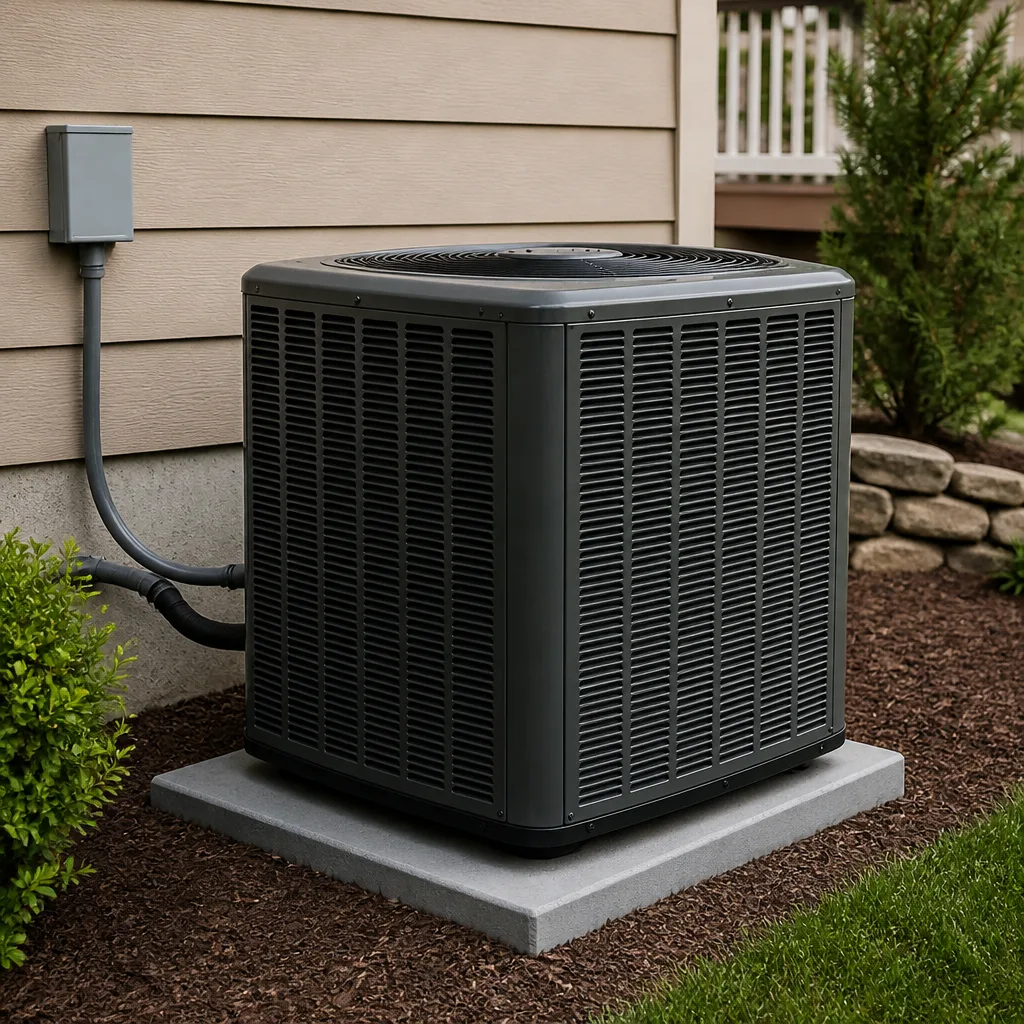 Goodman
Seasonal tune-up and full diagnostic on your Carrier, Trane, or Goodman system - readings shown to you before any repair is proposed
Diagnosis first, numbers second - you approve the repair price before a single part goes in.
Get your free estimateHVAC Cost Breakdown: The Downey Homeowner’s Reference for 2026
Most HVAC cost guides you’ll find online were built from national averages, and those averages don’t hold up in Downey. A split-system AC replacement that costs $3,800-$7,200 in a national calculator lands $1,500 higher here once you add California labor rates, Title 24 compliance, LA County permit fees, and the R-410A to R-32 refrigerant transition now shaping 2026 equipment pricing. That gap isn’t a sales tactic. It’s line items the calculators never see. In this guide, we break down what each line actually costs in Downey, how the refrigerant phaseout is moving prices, where brand-level equipment costs diverge, and when repair stops making sense.
Quick Answer
A full AC replacement in Downey in 2026 typically runs $5,300-$8,700 installed, while a furnace replacement lands in the $3,200-$5,800 range. The biggest drivers are equipment tier, refrigerant type, permit and Title 24 compliance, and whether your electrical panel needs an upgrade to support the new system. Repair costs start far lower, and the decision between repair and replacement usually comes down to equipment age and the 5000 rule applied to local service rates.
Styles & brands we work with
- AC repair
- Furnace & heating
- Heat pumps
- Ductless mini splits
- Carrier
- Trane
- Goodman
Table of Contents
- What’s Actually on an HVAC Invoice in Downey?
- How Is the R-410A Phaseout Affecting 2026 Pricing?
- Why Do Brand Costs Differ So Much?
- When Does Repair Beat Replacement?
- What’s Missing From a $4,200 Quote?
- How Does Downey’s Climate Change the Cost?
- How Do You Plan and Budget for a Replacement?
What’s Actually on an HVAC Invoice in Downey?
An AC installation quote in Downey breaks into six cost buckets, and every legitimate quote will show you all six. When a quote shows three, ask what happened to the other three.
Here’s how the line items typically stack up for a standard 3-ton split-system replacement in Downey in 2026:
- Equipment (condenser and air handler or coil): $2,800-$4,900 depending on brand and efficiency tier
- Labor (removal, install, commissioning): $1,400-$2,200
- Permit and Title 24 compliance documentation: $350-$650
- Refrigerant charge and line-set work: $200-$550
- Electrical upgrade (if the panel can’t support the new unit): $0-$1,800
- Disposal and haul-away of old equipment: $100-$250
That adds up to a realistic $5,300-$8,700 for a mid-tier install. The electrical line is the one that surprises people most. Older homes in Downey, particularly the stock built before the 1980s, often have panels that can’t handle a modern high-efficiency condenser’s startup draw, and that upgrade is a real line item, not a padding trick. A permit is required for HVAC replacement in most California jurisdictions, and Title 24 compliance requires the installing contractor to document the system meets efficiency and duct-sealing standards. Skip that documentation and you inherit a problem at resale. We see quotes from out-of-area installers omit both and wonder why the total looks unusually low.
For a furnace replacement, the breakdown shifts: equipment runs $1,800-$3,200, labor $900-$1,500, permit $250-$450, and venting or flue work adds $300-$800 if the existing flue doesn’t meet current code. That lands the total in the $3,200-$5,800 range.
How Is the R-410A Phaseout Affecting 2026 Pricing?
The refrigerant transition from R-410A to R-32 and other A2L refrigerants is the single biggest cost shift in 2025-2026 equipment pricing. R-410A production has been winding down under federal rules, and new equipment shipping into California increasingly uses A2L refrigerants with a lower global warming potential. That change carries real cost implications for Downey homeowners.
What it means in practice:
- New equipment costs more. A2L systems require redesigned components, leak-detection sensors, and updated safety labeling, which adds roughly 3-8% to the equipment line compared with the same tier a few years back.
- R-410A recharge costs are rising. As virgin R-410A supply tightens, a recharge on an older system costs more than it did when the refrigerant was cheap. A top-off that used to be routine is now a line item worth questioning.
- Mixed-system compatibility gets complicated. If your air handler uses R-410A and your condenser gets replaced with an A2L unit, the two won’t work together. That forces a matched-system replacement instead of a partial one.
- Recovery and handling add labor. A2L refrigerants are mildly flammable, so recovery and charging procedures carry extra steps and technician certification requirements that add to the labor line.
The practical takeaway for anyone in Downey holding an R-410A system past its expected life: repair costs on the refrigerant side are climbing while replacement efficiency gains are real. If your system is 12-15 years old and needs a recharge, that repair often makes less sense than it would have two years ago. Whether a repair or an AC installation is the right call depends on the specific equipment, and we walk through that calculation honestly.
Why Do Brand Costs Differ So Much?
Brand-level equipment costs in Downey span a wide range, and the gap doesn’t always track the performance difference homeowners expect. A Trane at the top of the tier ladder can cost $1,500-$2,500 more at the equipment level than a Goodman in the same nominal capacity. Some of that gap is real engineering. Some of it is dealer network pricing and marketing margin.
Here’s roughly how the nine major residential brands sort by equipment cost tier in 2026:
- Premium tier: Trane, Lennox – highest equipment cost, strongest name recognition, broadest parts network
- Mid tier: Carrier, Bryant, American Standard – solid build quality, wide dealer access, most common in Downey homes
- Value tier: Goodman, Rheem, York, Daikin – lower equipment cost, increasingly competitive efficiency ratings, strong parts availability
The misconception we run into most often is that a premium badge guarantees lower operating cost. A 16-SEER2 Goodman and a 16-SEER2 Trane run the same efficiency at the equipment level. Where premium brands separate is in build quality, noise, and parts availability, not raw efficiency numbers. A value-tier Daikin with a properly sized, well-installed system can outperform a premium unit installed badly. We’re certified to service all nine brands, which means we don’t have inventory pressure pushing a recommendation in one direction. We work on the system you have, and we tell you when upgrading the tier doesn’t pencil out.
When Does Repair Beat Replacement?
The 5000 rule is the fastest repair-versus-replace check most HVAC pros use. Multiply the equipment’s age in years by the estimated repair cost. If the result is over $5,000, replacement usually makes more financial sense. Under $5,000, repair typically wins.
Applied to Downey equipment ages and local service rates, here’s how it shakes out:
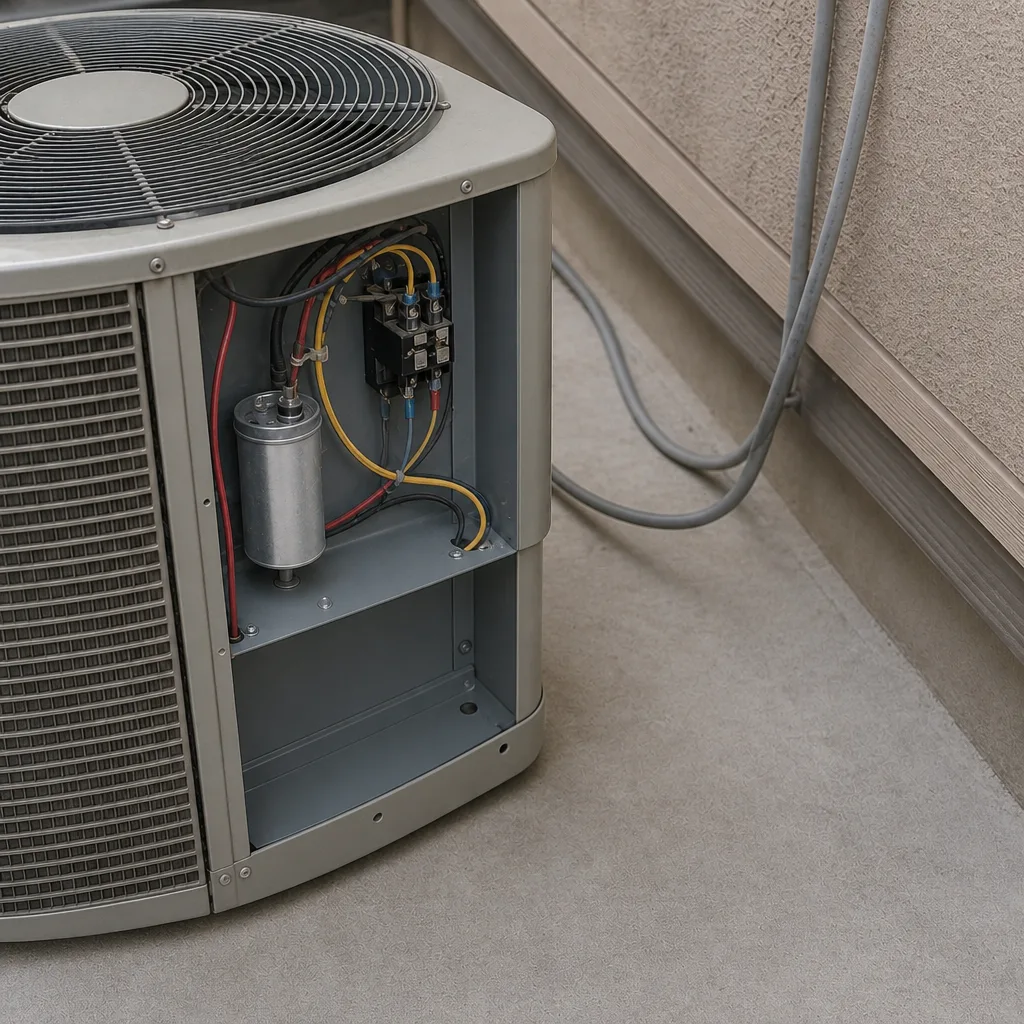
- A 6-year-old condenser needing a $400 capacitor or contactor: 6 x $400 = $2,400. Repair.
- A 10-year-old system needing a $1,200 compressor replacement: 10 x $1,200 = $12,000. Replace.
- A 12-year-old system needing a $350 blower motor: 12 x $350 = $4,200. Repair, but start budgeting for replacement.
- A 14-year-old system needing a $900 evaporator coil: 14 x $900 = $12,600. Replace, especially with R-410A pricing climbing.
The rule breaks down in a few situations. If the repair is a refrigerant leak on an R-410A system, the recharge cost alone can push the math toward replacement faster than the $400-$800 repair estimate suggests. If the equipment is under 8 years old but has had two or more major repairs already, the reliability history outweighs the math. And if the system is a mismatched set where the condenser and air handler don’t match, replacing one side often doesn’t deliver the efficiency you’re paying for.
If your system is blowing warm and you’re weighing repair against replacement, an AC repair visit will tell you which direction actually makes sense. We don’t sell replacements to people whose systems have plenty of life left.
What’s Missing From a $4,200 Quote?
A $4,200 install quote in Downey almost always leaves something out. The legitimate installs we see at that price point are usually partial replacements, not full system swaps, or they’re missing compliance items that surface later. Here’s what gets cut from a low quote when you compare it against a $6,500 install of the same tier.
- The permit. Pulling a permit in Downey costs $350-$650 including Title 24 documentation. A quote without it puts the legal responsibility on you at inspection or resale time.
- The electrical upgrade. If your panel needs work, a low quote either omits it entirely or turns it into a change order once the technician is in the home.
- Refrigerant charge verification. A proper install weighs in the charge to factory spec. A rushed install tops off “by feel” and leaves you with a system that underperforms and works the compressor harder.
- Duct sealing and testing. California’s Title 24 requires duct sealing and leakage testing in many replacements. Quotes that skip it save money on the install but lock in efficiency losses for the life of the system.
- Commissioning and static pressure measurement. A real install measures airflow, refrigerant pressures, temperature split, and static pressure, then documents it. A cheap install skips this and the homeowner never knows.
- Disposal and recovery. Old refrigerant must be recovered to EPA standards, and old equipment must be hauled off. When this line disappears, so does compliance.
- Warranty registration. Registering the manufacturer’s warranty requires specific documentation, and a low-bid installer often doesn’t do it.
None of these are upgrades. They’re the floor for a compliant install in California. The $6,500 quote isn’t overpriced; it’s the actual cost of doing the job to code. We’d rather explain that up front than surprise someone with change orders mid-install.
How Does Downey’s Climate Change the Cost?
Downey’s climate is mild compared to inland Southern California, but it’s hard on HVAC systems in ways that show up in cost. Summers are warm enough to run the AC hard for months, and winters are mild enough that furnace demand stays light. That pattern shifts equipment wear toward the cooling side, which is why we see more condenser and coil failures in Downey than heat exchanger problems.
Here’s how the local conditions affect your invoice:
- Cooling-side wear outpaces heating-side. A furnace often outlasts its paired AC by several years, so homeowners in Downey tend to face a condenser replacement while the furnace still has life. That creates an awkward decision: replace just the AC now, or do a full matched system and get the efficiency gains?
- Duct systems in older Downey homes leak more. Attic-routed ductwork in homes built before the 1980s was installed to older standards, and leakage of 20-30% isn’t unusual. A high-efficiency replacement on a leaky duct system loses much of its savings. Duct sealing is sometimes the highest-value addition to an install.
- Title 24 compliance is local. California’s building energy standards require specific documentation for HVAC replacement, and Downey’s permitting authority enforces it. This isn’t the same as a national code; the field verification, duct testing, and refrigerant charge requirements are state-specific and cost money to do properly.
- Mild winters reduce furnace replacement urgency. A failing furnace in Downey rarely means a dangerously cold house. That gives homeowners room to schedule a furnace replacement rather than treat it as emergency work, which usually reduces cost through planned scheduling.
The climate reality is that your AC does most of the heavy lifting, and it deserves the higher investment tier. A furnace rated for a harsher climate than Downey’s is often overkill.
How Do You Plan and Budget for a Replacement?
Planning a replacement in Downey works better as a 12-month project than a same-week emergency. Systems fail at the worst possible time, and the homeowner who has already done the sizing and budgeting work can make a decision in an afternoon instead of a panic. Here’s the sequence we recommend.
- Get a load calculation first. A proper Manual J load calculation determines the right system size for your home, and it’s not the same as reading the tonnage off the old condenser. Older homes in Downey were often oversized, and a properly sized unit reduces both equipment cost and energy bills.
- Get two or three written quotes on the same system size. Compare line items, not just totals. Any quote without a permit line, Title 24 documentation, and commissioning is incomplete regardless of price.
- Ask about the furnace at the same time. If your furnace is over 15 years old and the AC is being replaced, doing both at once often saves on labor and gets you a matched system that hits its rated efficiency.
- Budget a reserve for the electrical panel. Assume 20% of the total could be needed for electrical work. If it’s not, that’s money back in your pocket.
- Schedule the install for a shoulder month if possible. A planned spring or fall replacement lets the installer take the time to do the commissioning work properly.
- Confirm the refrigerant transition timing. If your existing system is R-410A and still has life, ask whether the replacement has to happen in 2026 or can wait a year. When the timing is flexible, the homeowner holds the leverage.
Budget $6,000-$9,000 as a planning number for a full AC replacement in Downey, and $3,500-$6,000 for a furnace. Those figures hold the full compliance and commissioning items. A quote materially below them isn’t a deal; it’s an incomplete install.
Common Mistakes to Avoid
- Comparing bottom-line totals instead of line items. A $4,200 quote versus a $6,500 quote often means the cheaper one is missing the permit, Title 24 documentation, or a commissioning step. Ask what’s excluded, not just what’s included.
- Replacing only the condenser on a mismatched system. If the air handler is a different vintage or refrigerant, a partial replacement often doesn’t deliver the rated efficiency and can void the manufacturer’s warranty. Matched systems cost more but perform as advertised.
- Skipping the Manual J load calculation. Installing by “the same size as before” often means the original system was oversized, and the new one inherits that problem. Downey homes vary widely in insulation and window layout, so sizing matters.
- Overlooking duct sealing requirements. California requires duct leakage testing on many replacements, and skipping it wastes a large share of the new system’s efficiency. Budget for it from the start.
- Chasing the highest SEER tier without a load calculation. The rated efficiency of a high-SEER system assumes proper sizing and duct performance. On a mismatched duct system, the extra cost of the top tier doesn’t pay back.
- Not checking the electrical panel first. Panel capacity varies by home age in Downey, and a high-efficiency condenser may need a dedicated circuit. Discovering this mid-install turns a fixed price into a change order.
- Letting the contractor register the warranty without confirming it. Manufacturer warranty registration isn’t automatic. Confirm you have the registration confirmation before the installer drives away.
See the difference
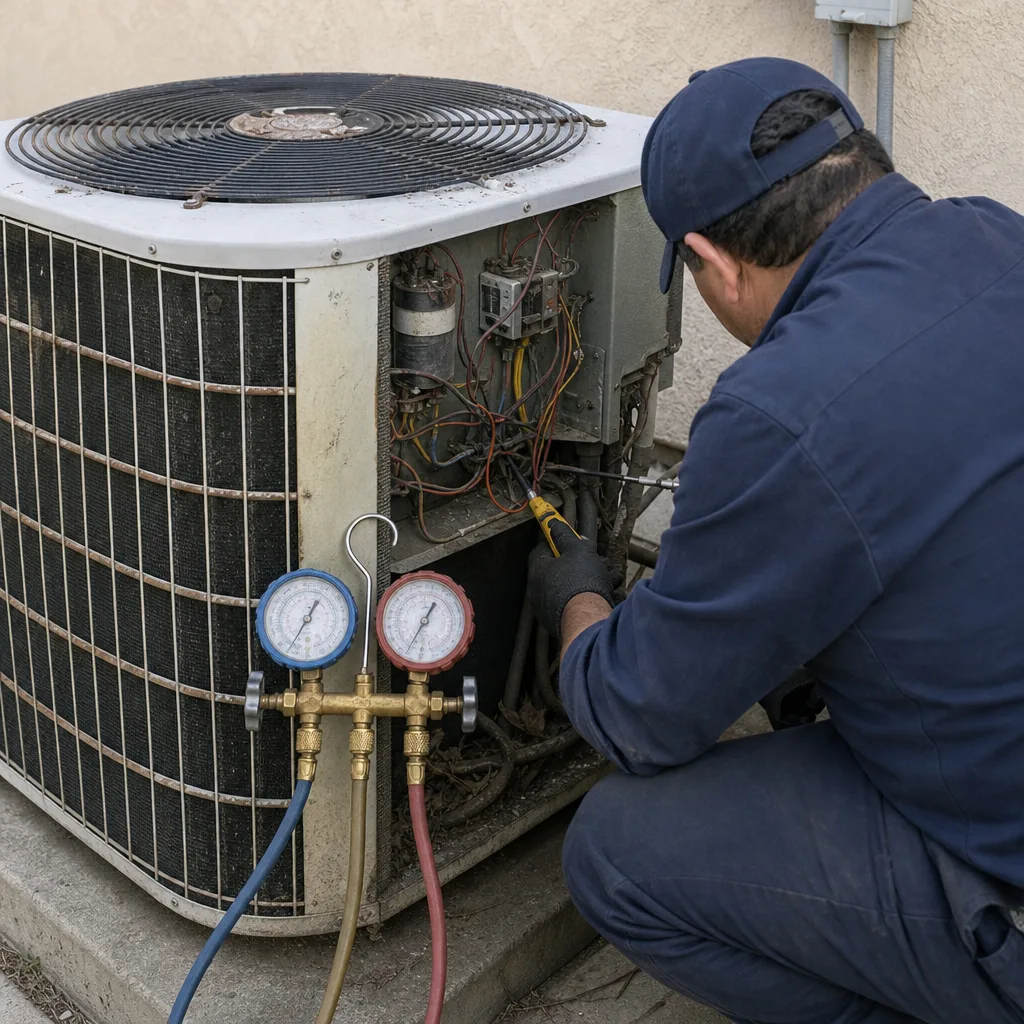 Before
 After
 Before
 After
 Before
 After
When to Call a Professional
Some HVAC issues are worth a phone call the moment they show up. If your AC is blowing warm air in the middle of summer, if the outdoor unit is tripping the breaker repeatedly, if you smell refrigerant near the indoor coil, or if the system is short-cycling (running for a few minutes, then shutting off, then repeating), those are signs of a real problem that gets more expensive with delay. The same goes for a furnace that won’t ignite, trips the gas valve, or makes a banging or popping sound on startup. Those are safety-relevant and worth treating as urgent.
High-voltage components, refrigerant handling, and gas lines carrying a real risk of fire, shock, or carbon monoxide exposure, and they shouldn’t be touched by anyone without training. That’s why we ask you to call rather than attempt these yourself. AC Repair Downey offers free estimates in Downey, and our technicians have up to 12 years of experience across the nine major residential brands. Call (855) 677-0314. We answer 24/7. Fast dispatch from 7am to 7pm, Sunday through Friday.
Frequently Asked Questions
A full split-system AC replacement in Downey typically runs $5,300-$8,700 installed, with the final price depending on equipment tier, refrigerant type, electrical work, and Title 24 compliance. The written estimate sets the exact price. Call (855) 677-0314 for a free estimate – we’ll build a line-item quote on your specific home.
Downey installs carry costs national averages miss: California labor rates, Title 24 compliance documentation, LA County permit fees, and the R-410A to A2L refrigerant transition. These add roughly $1,500 above national calculator estimates for a comparable system. The compliance and permit work isn’t optional in California, so any quote that skips it is a quote you’ll pay for later.
It depends on the repair cost. Run the 5000 rule: multiply the age by the repair estimate. A 12-year-old system with a $400 repair gives $4,800, which favors repair. A 12-year-old system with a $900 repair gives $10,800, which favors replacement. If you’re on the fence, call (855) 677-0314 and we’ll walk through the math on your specific system.
Yes, most HVAC replacements in California require a permit, and Title 24 compliance documentation is part of that process. The permit and documentation together typically cost $350-$650. Ask any contractor whether the quote includes both before you sign – a quote without them is incomplete.
A Trane at the same SEER2 tier costs $1,500-$2,500 more at the equipment level than a Goodman, largely due to brand positioning and build quality. Efficiency at the same tier is comparable. The gap is worth paying for some homeowners and not others, and a properly sized, well-installed Goodman often outperforms a poorly installed premium unit. We service both and tell you honestly which fits your situation.
No. A2L refrigerants operate at different pressures and require compatible components throughout the system. Mixing an R-410A indoor coil with an A2L condenser isn’t approved by any manufacturer and voids the warranty. If you’re replacing one side, plan on a matched system.
The Bottom Line
HVAC costs in Downey don’t track national averages because the local market adds real, non-negotiable costs: permits, Title 24 compliance, California labor, and the refrigerant transition now reshaping 2026 equipment. A full AC replacement realistically runs $5,300-$8,700, and a furnace replacement lands in the $3,200-$5,800 range. Any quote materially below those numbers is almost certainly missing compliance items or deferred electrical work. The best defense is a line-item written estimate and a load calculation before you choose equipment. For questions about your specific system or to get a free estimate on repair or replacement, call (855) 677-0314. Whether your home runs a Goodman or a Trane, we work on the system you have, tell you honestly what it needs, and price the job by written estimate.
Our team handles AC repair, AC installation, and furnace repair across Downey. Call (855) 677-0314. We answer 24/7. Fast dispatch from 7am to 7pm, Sunday through Friday.
Written by the team at AC Repair Downey.