
Last updated November 14, 2026
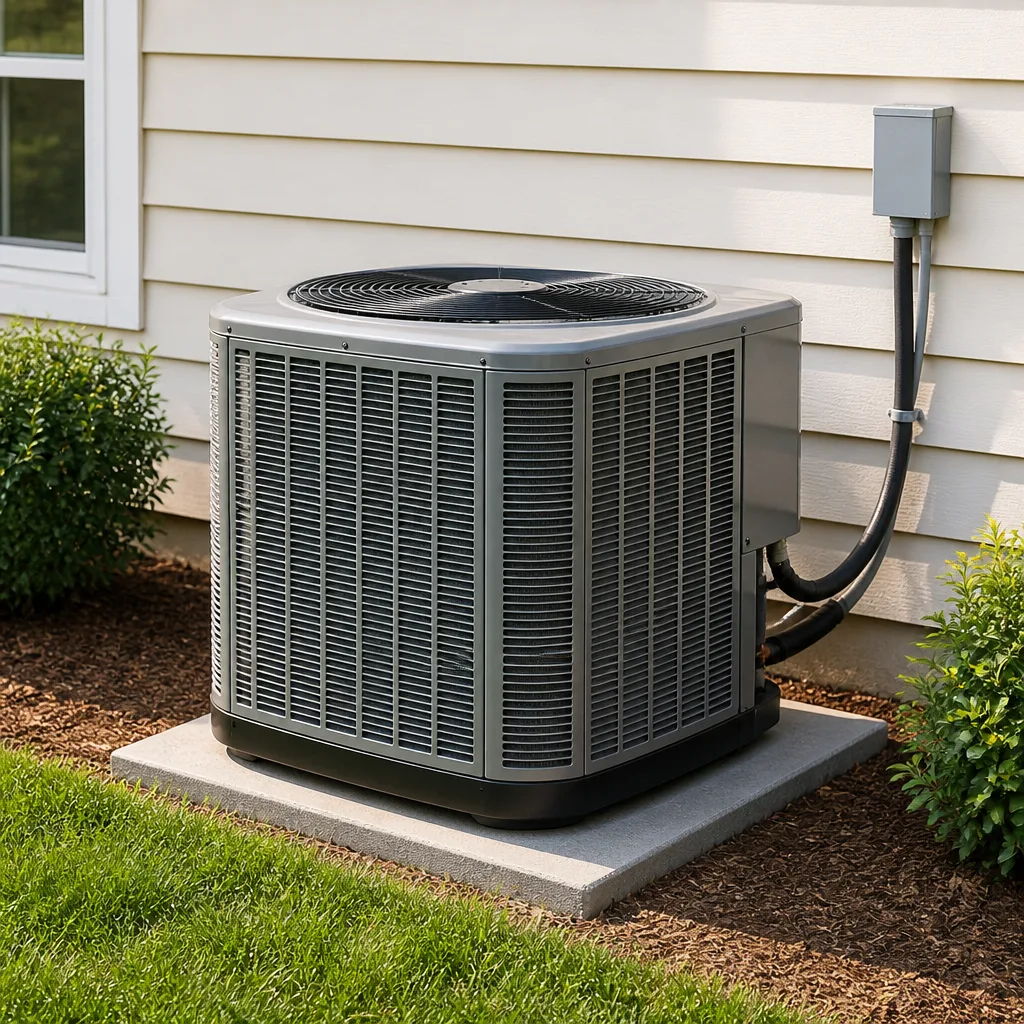 AC repair
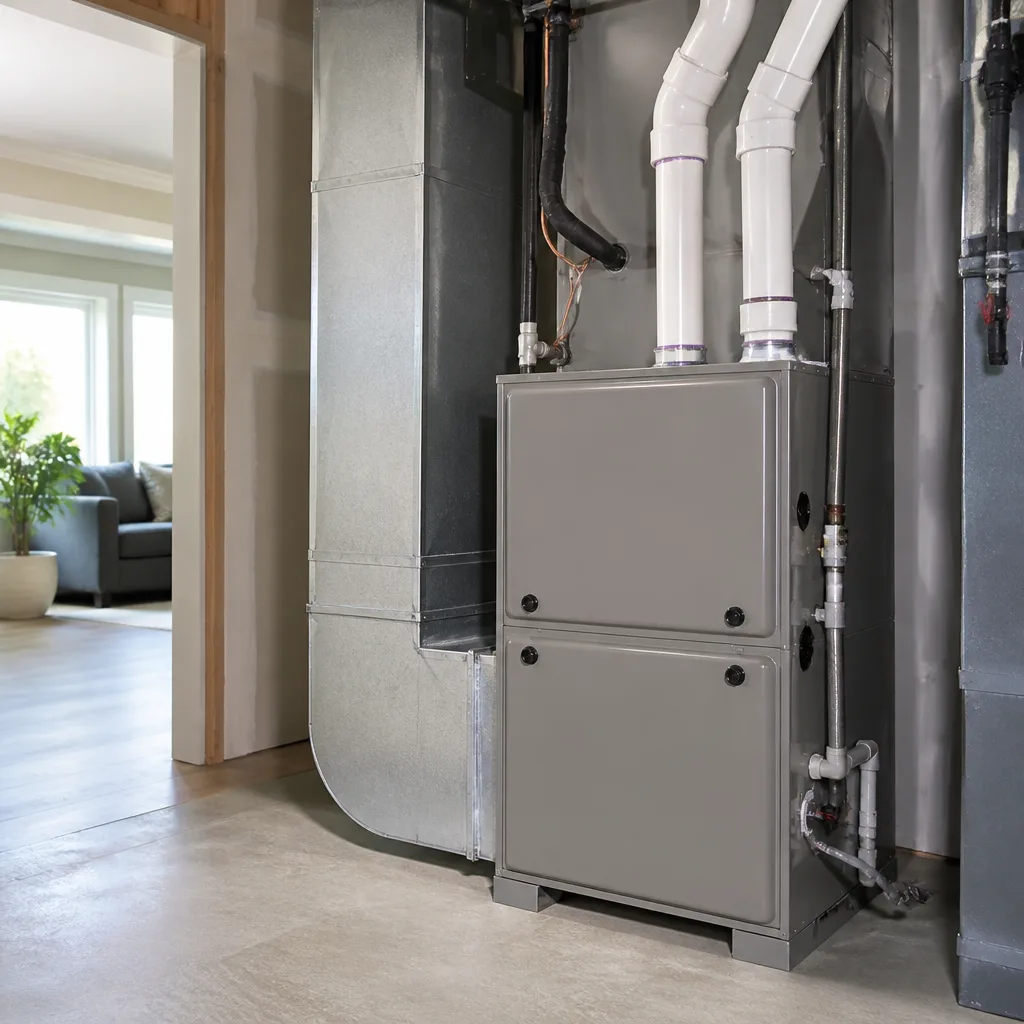 Furnace & heating
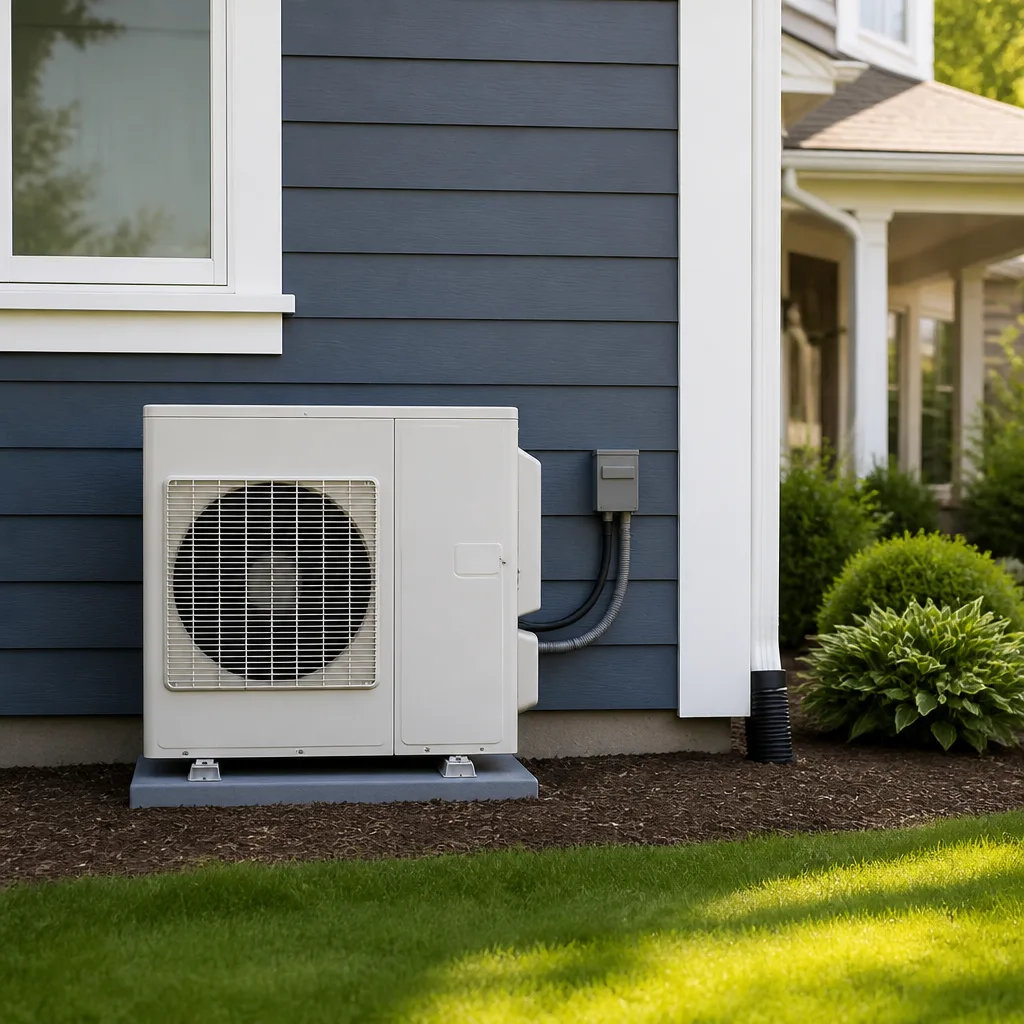 Heat pumps
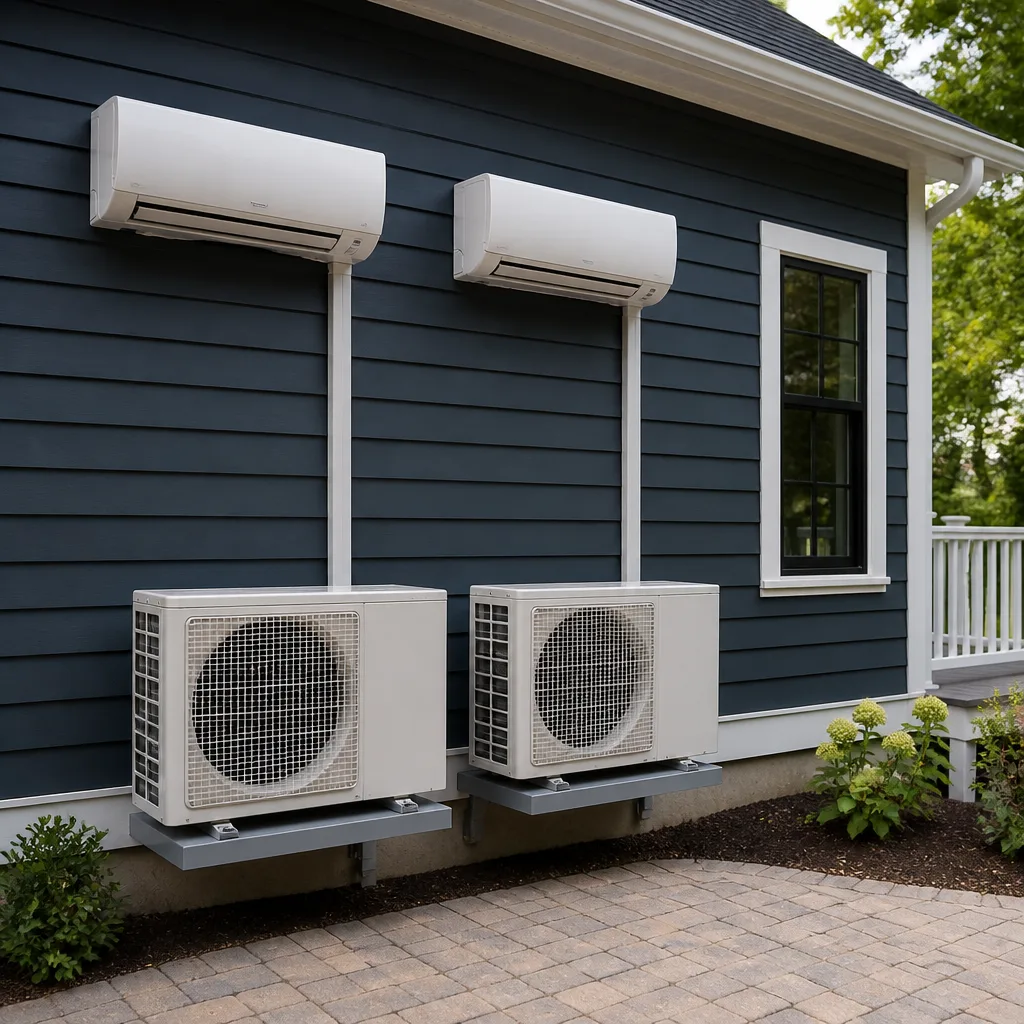 Ductless mini splits
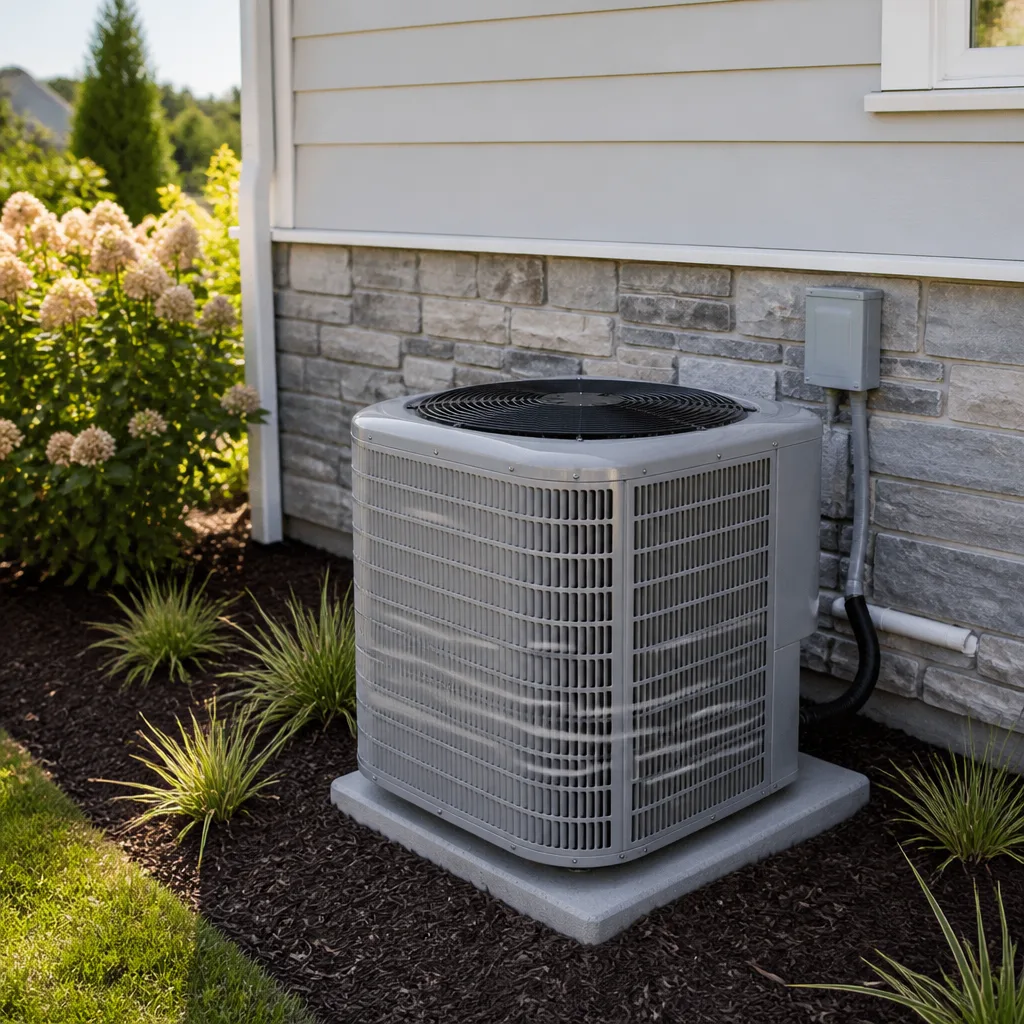 Carrier
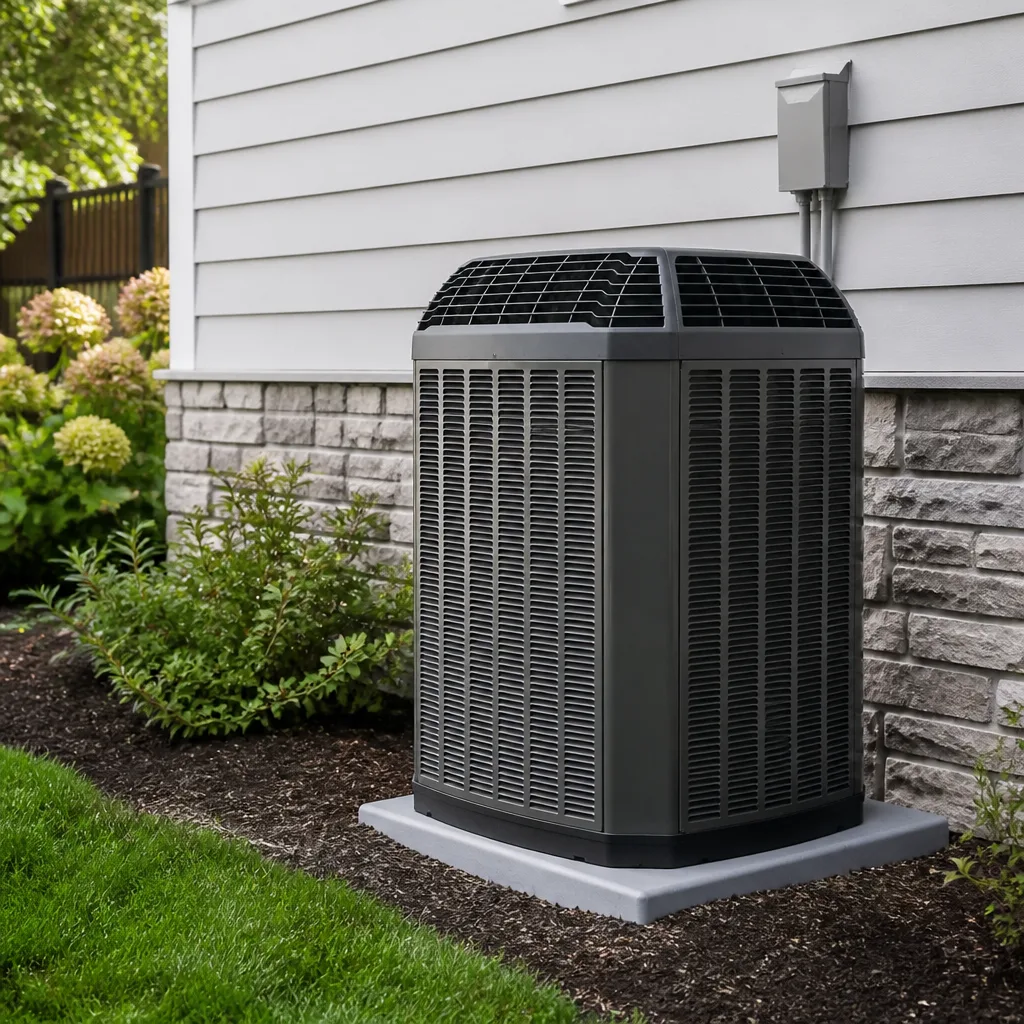 Trane
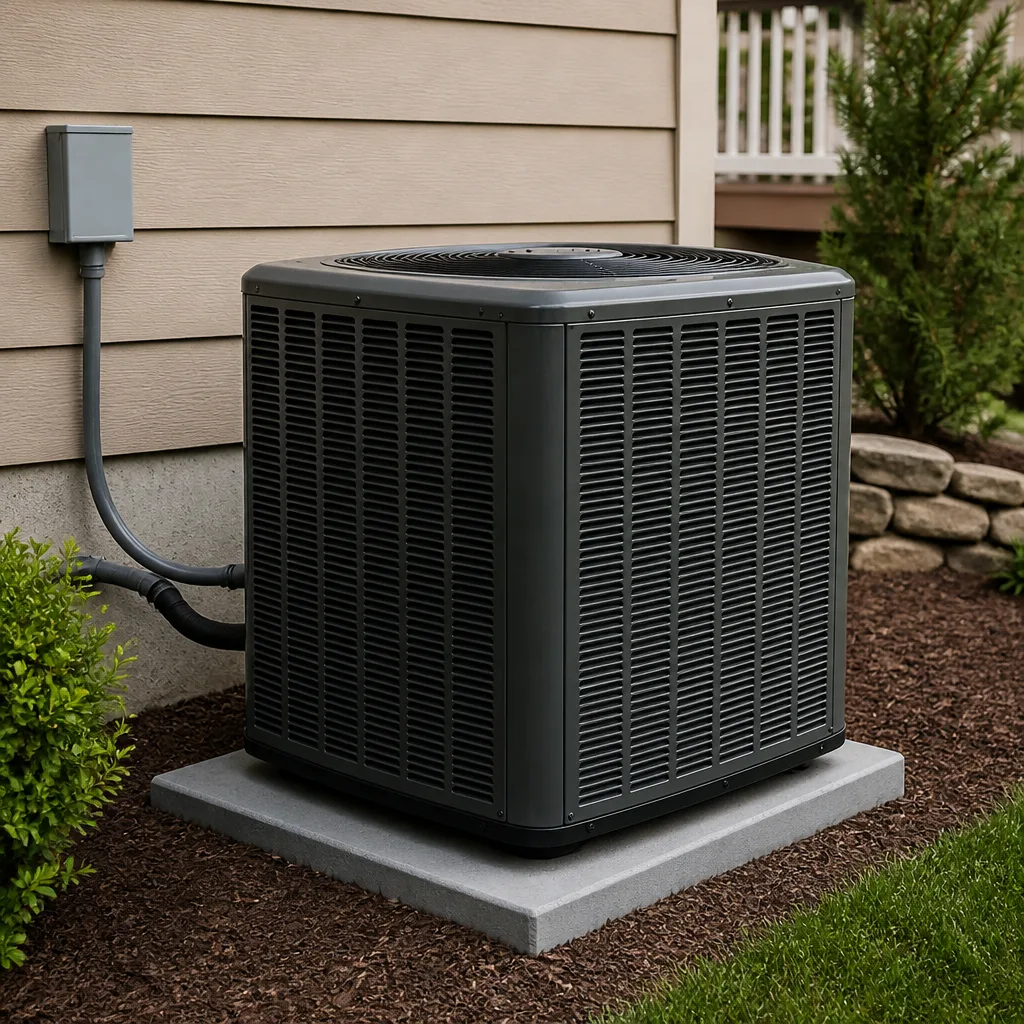 Goodman
Seasonal tune-up and full diagnostic on your Carrier, Trane, or Goodman system - readings shown to you before any repair is proposed
Diagnosis first, numbers second - you approve the repair price before a single part goes in.
Get your free estimateDIY vs Professional HVAC: The Downey Homeowner’s Decision Guide
Swapping your own air filter is legal, sensible, and takes ten minutes. Recharging your own refrigerant without an EPA Section 608 certification is a federal violation, and the fines run up to $44,539 per day. Most homeowners have no idea where that line sits. Worse, it sits somewhere in the middle of most YouTube tutorials – often past the point where a homeowner has already bought the gauges. In this guide, we draw the boundary clearly for Downey homeowners: what’s genuinely DIY-safe, what’s legally restricted, what voids a manufacturer warranty, and how to make a straight financial call on the jobs in between.
Quick Answer
Filter changes, thermostat swaps, condensate line flushing, and clearing debris from your outdoor unit are safe DIY tasks for most Downey homeowners. Anything involving refrigerant, capacitors, gas flue connections, or electrical work inside the air handler belongs to a certified technician. Refrigerant handling requires federal EPA Section 608 certification, and Title 24 enforcement in California means the work has to be documented by someone qualified. Between those two poles is a gray zone where the honest answer is: yes, you could technically do it, but the warranty and safety math usually says don’t.
Styles & brands we work with
- AC repair
- Furnace & heating
- Heat pumps
- Ductless mini splits
- Carrier
- Trane
- Goodman
Table of Contents
- Where California and Federal Law Draw the Line
- The Four Tasks That Are Genuinely DIY-Safe
- Tasks That Look DIY-Safe But Aren’t
- How DIY Work Voids Manufacturer Warranties
- The Honest Cost Comparison
- Downey-specific Considerations
- Common Mistakes to Avoid
- When to Call a Professional
Where California and Federal Law Draw the Line
The legal boundary is sharper in California than in most states, and it’s worth understanding before you buy a single tool.
The federal rule: refrigerant is off-limits
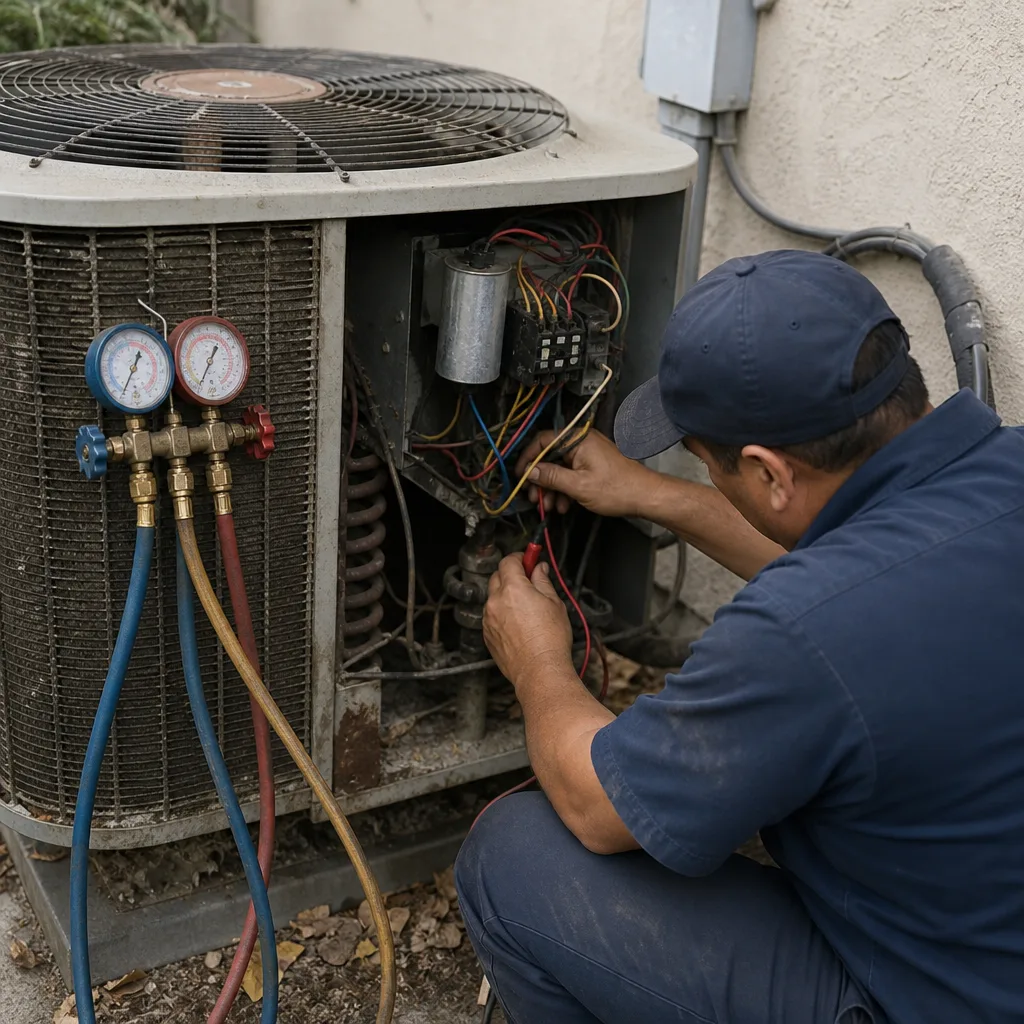
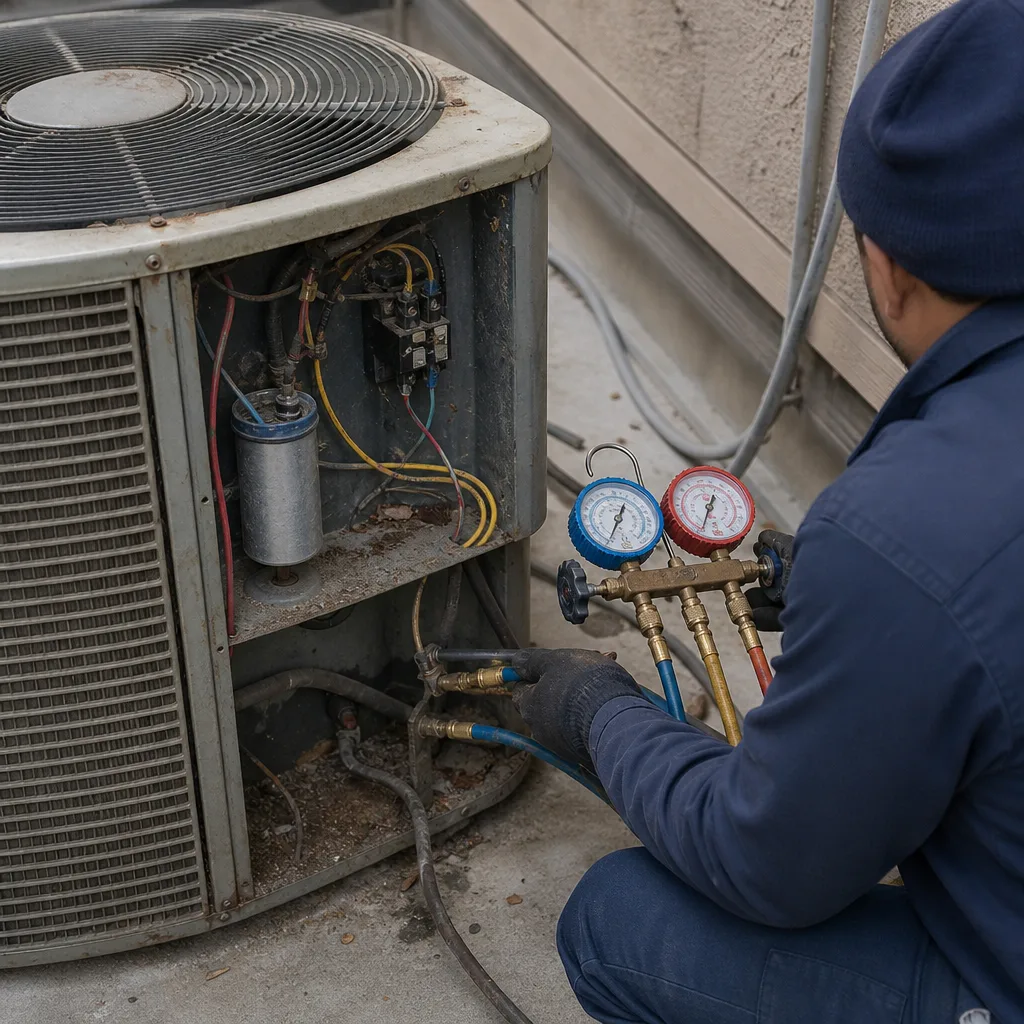
Under Section 608 of the Clean Air Act, any person who maintains, services, repairs, or disposes of equipment that could release ozone-depleting refrigerants into the atmosphere must be certified by the EPA. That includes the small split systems in most Downey homes. You cannot legally buy refrigerant, hook up gauges, or recharge a system without that certification. There’s no homeowner exception and no “personal use” carve-out. The maximum penalty per violation runs to $44,539 per day, and it applies to the individual, not just the company.
The practical implication: almost every “how to recharge your AC” video you’ll find online is teaching a technique the viewer cannot legally perform. If a system is low on refrigerant, there is also a leak somewhere, and the leak has to be found before any charge goes in. That part alone requires manifold gauges, a leak detector, and the training to know what pressures mean on a Trane or a Goodman versus a Carrier.
Title 24 and permit-triggered work
California’s Title 24 energy code governs how HVAC equipment is installed and altered in the state. Replacing a system, changing out a condenser, or altering ductwork typically triggers a permit through the local building department, and the work is inspected against Title 24 requirements. A homeowner cannot self-certify that compliance. And a new system installed without a permit creates a paper trail problem at resale: an inspector can flag unpermitted work, and the buyer’s lender can ask for it to be corrected before close.
Small repairs – a capacitor, a contactor, a thermostat – don’t trigger a permit. Replacements and major alterations do. That distinction is a good mental rule of thumb: if the work is going to be inspected, a licensed contractor is doing it, and the paperwork is part of the job.
Gas furnace work: a separate set of rules
Gas appliance work in California has its own certification and code requirements beyond HVAC licensing. Flue connections, gas valve replacements, and combustion testing on a furnace are not homeowner tasks, and a mistake in that area is a carbon monoxide risk – not a repair that just fails to work. If you smell gas, leave the home and call your gas utility first. Everything else on a furnace belongs to a technician.
The Four Tasks That Are Genuinely DIY-Safe
Here’s the good news: four regular maintenance items are safe, legal, and actually worth doing yourself. All four reduce strain on the system and extend its service life.
- Replace the air filter every 30 to 90 days. Turn the system off at the thermostat. Pull the old filter from the return grille or the slot at the air handler. Match the size (printed on the filter frame), match the airflow direction arrow to the direction marked on the unit, slide the new one in. A clogged filter is the single most common cause of a frozen coil and a struggling blower, and no technician is needed to fix that. In Downey, dusty summer air and long cooling seasons mean 30-day intervals are worth trying in peak months.
- Swap or program a thermostat. Thermostats that run on batteries and low-voltage control wire are a straightforward swap. Kill power at the breaker, photograph the wire labels before you disconnect anything, and match wires terminal-for-terminal on the new unit. If your home has a line-voltage or proprietary communicating thermostat – common on newer high-end Carrier and Lennox systems – stop and have a technician handle it. One miswired wire can take out a control board.
- Flush the condensate drain line. A wet/dry shop vac on the outdoor end of the drain, a cup of distilled white vinegar poured into the access tee, and a few minutes of your time every few months prevents the water backup that shuts a system down in summer. In Downey’s dry climate, dust and algae still accumulate in that line, and the resulting shutdown always happens on the hottest day of the year.
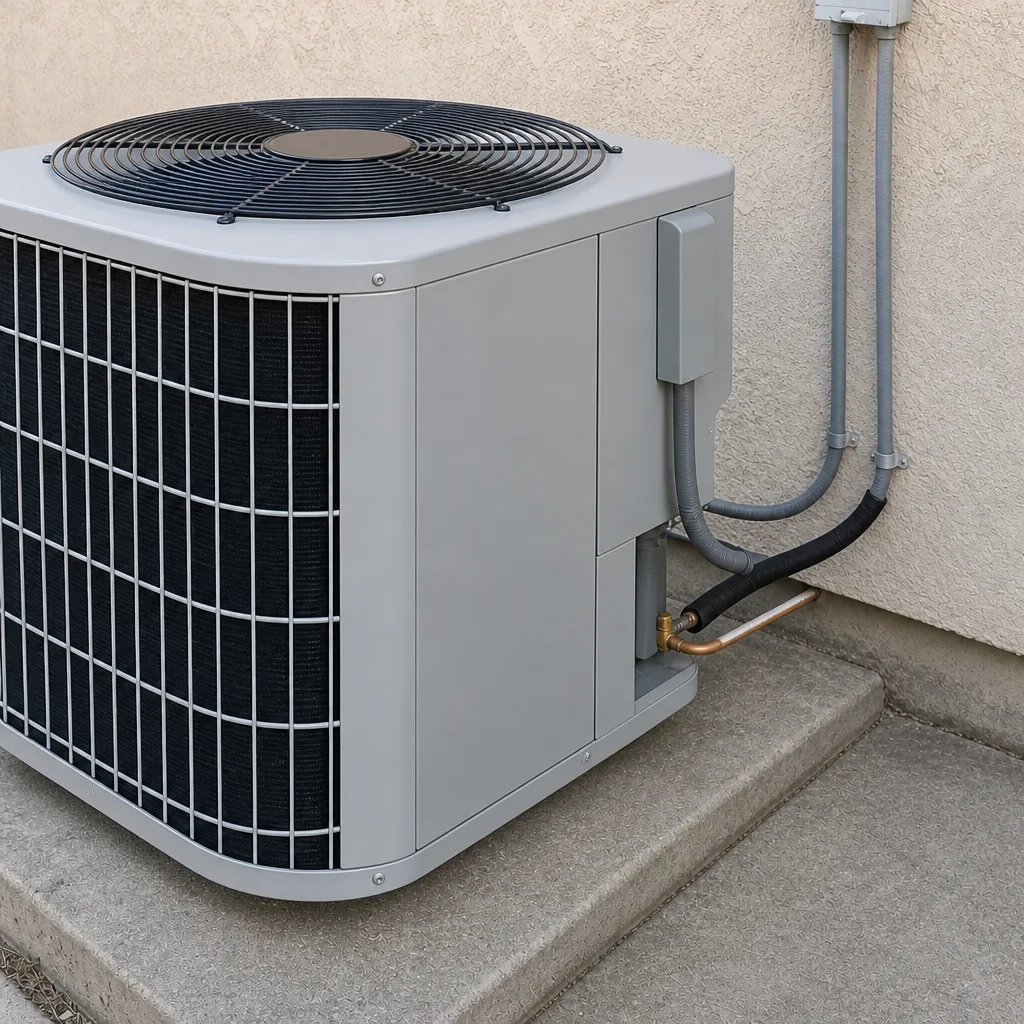
- Clear the outdoor condenser. Trim vegetation back at least two feet from the unit, rinse the coil fins with a garden hose (never a pressure washer – it bends the fins), and clear leaves and debris from the top grille. This is the highest-yield ten minutes of HVAC maintenance that exists, and it applies to every brand from Rheem to Bryant.
None of these tasks require a permit, a certification, or a technician. All four are on our short list of things we tell every homeowner to do themselves before they ever need to call us for AC repair.
Tasks That Look DIY-Safe But Aren’t
This is where the line gets interesting. Three categories look like homeowner work but carry real risk – legal, financial, or physical.
Capacitor replacement
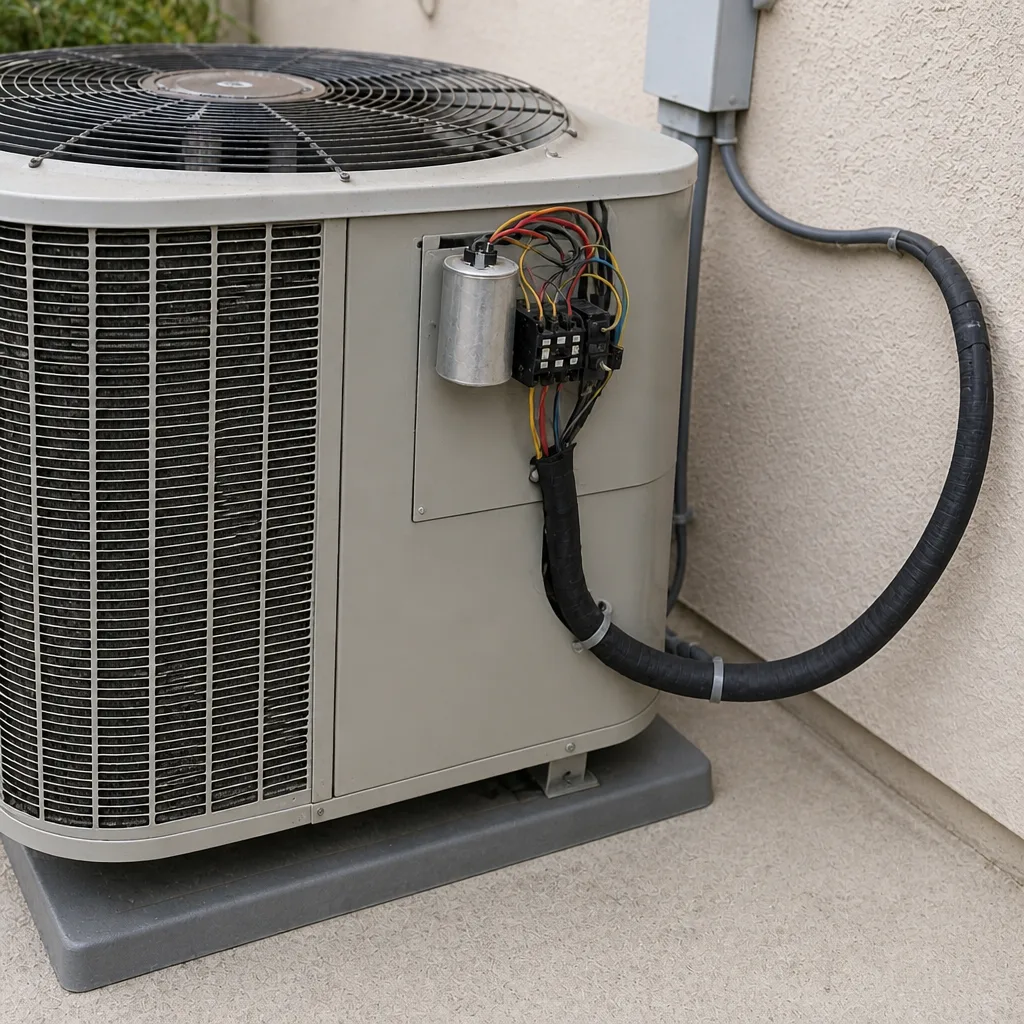
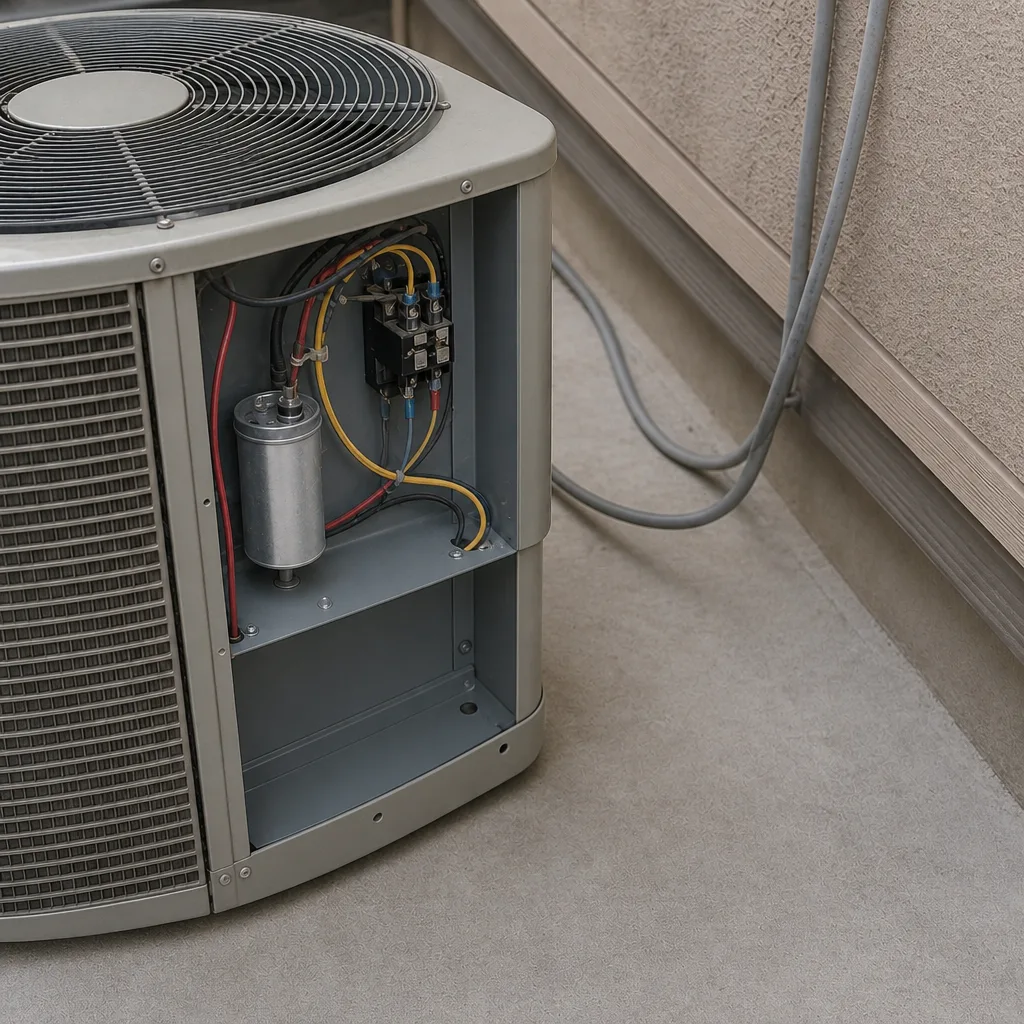
A capacitor costs a few dollars and takes ten minutes to swap. Videos make it look trivially easy. Here’s what the videos leave out: capacitors hold a lethal charge even after the power is off, and the correct replacement must match both microfarad rating and voltage rating. A wrong-value capacitor will run for a while and then take out the compressor or the fan motor – a repair that runs into the thousands instead of the tens. We’ve seen this exact failure more than once, and it always costs more than the original service call would have. The fix is a technician’s job, and it’s a quick one.
Refrigerant and older-system identification
Many Downey homes were built in the mid-to-late 20th century, which means some systems still carry refrigerant that has been phased out of production. Identifying which refrigerant a system uses – and whether it can legally be serviced at all – requires the system label, model number research, and a technician’s gauges. It is not a guess. Adding the wrong refrigerant to a system designed for another type damages the compressor and often means the whole system has to be replaced. This is also the category where the EPA Section 608 rule bites hardest, because buying refrigerant at all requires the certification.
Flue and gas connections on a furnace
The metal flue pipe on a gas furnace looks like a straightforward assembly. It isn’t. Flue design depends on venting category, combustion air, and building pressure, and a small misalignment sends exhaust gases into the living space. Carbon monoxide doesn’t smell and doesn’t announce itself. If you’re troubleshooting a no-heat situation and the flue is involved, stop and call. Our technicians diagnose furnace problems across nine brands every day, and this is the one category where the phrase “leave it to the pros” is genuinely the right advice.
How DIY Work Voids Manufacturer Warranties
This is the part that catches homeowners after the fact. Every major HVAC manufacturer builds a service clause into its warranty that limits coverage to work performed by licensed or qualified technicians. A homeowner who opens the system and does the work themselves is usually the one on the hook for the resulting failure.
Carrier
Carrier’s residential equipment warranty language conditions coverage on installation and service by a licensed contractor, and it excludes failures caused by improper installation, servicing, or repair by unauthorized parties. The coverage on parts and on the compressor is decades-long, which means it’s a substantial asset to protect. A weekend DIY diagnosis that ends with a mis-diagnosed part failure is enough to complicate a claim months later.
Trane
Trane’s published warranty documentation carries similar language: coverage is conditioned on proper installation and regular maintenance by qualified service personnel, and it excludes damage from unauthorized modification or repair. The system owner has to be able to demonstrate that the failure wasn’t caused by amateur work. When a technician shows up and finds a replaced part with the wrong rating, that’s a warranty problem, not just a repair problem.
Lennox
Lennox uses comparable warranty terms. Coverage is available to the original owner, conditioned on installation by a licensed professional, and excludes failures from improper service. A system installed by a licensed contractor still retains its warranty if the maintenance is done correctly, so the smart play is to document every service and every filter change so you’re never in a position of guessing.
The common thread: every one of these warranties assumes the work is done by someone qualified. Preserving the warranty is one of the strongest financial arguments for having a technician on AC installation and any refrigerant-handling job.
The Honest Cost Comparison
The interesting part of the DIY question isn’t really about money – it’s about expected cost. A job you can do yourself with low risk is usually worth doing yourself. A job with a low chance of failure but a very expensive failure mode is usually worth paying someone else to own.
Here’s a straightforward way to think about it:
- Filter replacement: A few dollars for the filter, ten minutes of your time, essentially zero failure risk. Do it yourself.
- Thermostat swap (battery or low-voltage): The part costs what the part costs, and the job is 20 minutes. Worth doing yourself on older equipment; worth calling on anything with proprietary wiring.
- Condensate line flush: Ten minutes and a cup of vinegar. Do it yourself, and do it seasonally.
- Outdoor coil cleaning: Ten minutes with a hose. Do it yourself, twice a season in Downey.
- Capacitor replacement: The part is cheap, the failure mode is expensive. A technician will handle it inside a standard service call. Hire it out.
- Refrigerant diagnosis and recharge: Legally restricted, and every recharge starts with a leak search. Hire it out – there is no homeowner path.
- Furnace flue, gas valve, heat exchanger: Not a cost question. Safety and code. Hire it out.
- Compressor, blower motor, control board: Parts are expensive, diagnosis requires tools and training, and warranty language takes interest. Hire it out.
If you want a specific number for a specific job at your home, we’ll give you a free written estimate on any of these. The estimate sets the final price, and it covers both the AC side and the furnace side of the system – one contractor, one visit, no second opinion needed. Pricing is per job, written down before we start.
Downey-specific Considerations
Local conditions change how the DIY calculation shakes out, and Downey has a few characteristics that matter.
Summers here are long and hot, which means the cooling system runs more hours than homeowners in cooler parts of LA County. That’s more wear on the capacitor, more dust in the filter, more algae in the condensate line, and more cycles on the compressor. In our experience, the four DIY tasks above – filter, condensate, coil, and thermostat – are worth doing more often in Downey than in cooler climates. Thirty-day filter changes during July, August, and September are reasonable for a home with pets or nearby construction.
Downey’s housing stock is mixed, and age matters. Homes built in the middle of the last century often have original ductwork, older refrigerant, and no filter slot in the ceiling – the filter lives at the air handler in a closet or garage. Newer homes have tighter envelopes, modern communicating thermostats, and systems that are more sensitive to electrical issues. Either way, the jobs that “look safe” but aren’t are the ones that catch homeowners – the capacitor and the thermostat wire are the two most common cases we see in Downey.
The other piece is permitting. Any system replacement in Downey is going to be permitted and inspected, and that inspection is going to look at Title 24 documentation. That’s not a box a homeowner can check. It’s also not a box a general handyman can check – which is why having a specialist who does HVAC and nothing else matters here.
Common Mistakes to Avoid
- Buying refrigerant online and attempting a recharge. Beyond the safety issue, buying refrigerant without the EPA 608 certification violates federal rules – no matter what the seller’s website suggests. Skip it.
- Replacing a capacitor with the wrong microfarad rating. Match the rating printed on the old capacitor exactly, or you’ll shorten the compressor’s life. This is a technician’s ten-minute job, not a homeowner project.
- Pulling the thermostat off the wall without photographing the wiring first. Thermostat wires are color-coded, but not always consistently across brands. Photograph everything before you disconnect.
- Pressure-washing the outdoor coil. It flattens the fins, restricts airflow, and reduces cooling capacity. A garden hose is what the coil wants.
- Ignoring the filter because it’s “not the problem.” The filter is almost always the problem, or the start of it. A clogged filter produces the same symptoms as a failing system.
- Skipping a permit on a system replacement. In California, permit and Title 24 documentation are part of the job. Skipping them creates a resale problem later.
- Opening a system that’s still under manufacturer warranty. Even a small repair can complicate a claim. Check your warranty language – Carrier, Trane, and Lennox all carve out unauthorized service.
When to Call a Professional
Call a professional if any of the following applies: the system isn’t cooling or heating at all; the outdoor unit hums but doesn’t spin; you hear a clicking or buzzing from the air handler; the thermostat has power but the system doesn’t respond; you smell gas anywhere near the furnace; the breaker tripped more than once; frost is visible on the refrigerant lines; or you’re being asked to sign a replacement quote without a written diagnosis first. Same story if you’re under warranty, if the system is more than ten years old, or if you’re planning any kind of replacement. Our technicians see all three sides of the equation – AC repair, AC installation, and furnace repair – which means one visit can often diagnose both sides of a split system. Call (855) 677-0314. We answer 24/7. Fast dispatch from 7am to 7pm, Sunday through Friday. Estimates are free, and the written estimate sets the final price.
Frequently Asked Questions
No. Federal EPA Section 608 rules require certification to buy and handle refrigerant, and there’s no homeowner exception. Penalties can reach $44,539 per day per violation. If your system is low on refrigerant, the correct next step is a leak diagnosis by a certified technician – call us for a free estimate.
No. Filter replacement is routine maintenance that doesn’t affect the warranty. What affects the warranty is unauthorized service or repair on the system itself. Keep the filter clean; leave the compressor alone.
It depends entirely on the task. A filter you can do for the price of the filter. A capacitor or a thermostat with proprietary wiring is worth having a technician handle, because the failure mode is much more expensive than the service call. An estimate in Downey is free, so you can find out the number before you decide anything.
Sometimes. Check the filter first, confirm the thermostat is set to cool and the fan is on auto, and look at the outdoor unit – if the breaker tripped, reset it once. If none of those fixes it, the system needs diagnosis. Call (855) 677-0314. We answer 24/7, and fast dispatch runs from 7am to 7pm, Sunday through Friday.
No. Gas furnace installation in California requires a licensed contractor, a permit, and inspection against code – and a combustion or flue mistake is a carbon monoxide risk that doesn’t announce itself. Furnace work belongs to a technician, full stop. Call for a free estimate on AC Repair Downey furnace and cooling service.
That’s a case-by-case conversation, and the honest answer depends on the part. The bigger question is warranty: manufacturer warranties on Carrier, Trane, and Lennox parts generally expect the work to be done by a licensed contractor. Call (855) 677-0314 for a free estimate and ask directly.
The Bottom Line
Most of the DIY-vs-professional HVAC question comes down to two rules. First: anything involving refrigerant, gas, or opening the equipment is a certified technician’s job, and in California the legal penalties make that boundary non-negotiable. Second: filters, condensate lines, coil cleaning, and basic thermostat swaps are yours to do, and doing them well prevents most of the breakdowns that generate service calls in the first place. Everything else sits in a gray zone where the warranty, the failure cost, and your time determine the right answer. If you’re unsure which side of the line a job falls on, call and we’ll give you a free estimate before you pick up a tool.
One call covers your cooling and your furnace – we work on the system you already own, whether that’s a Carrier, a Trane, a Lennox, or a Goodman, and our technicians have up to 12 years of experience across the nine most widely installed residential HVAC brands. We specialize in HVAC and nothing else, so you’re never talking to a generalist. Call (855) 677-0314 for a free estimate in Downey. We answer 24/7. Fast dispatch from 7am to 7pm, Sunday through Friday.
Written by the team at AC Repair Downey.
See the difference
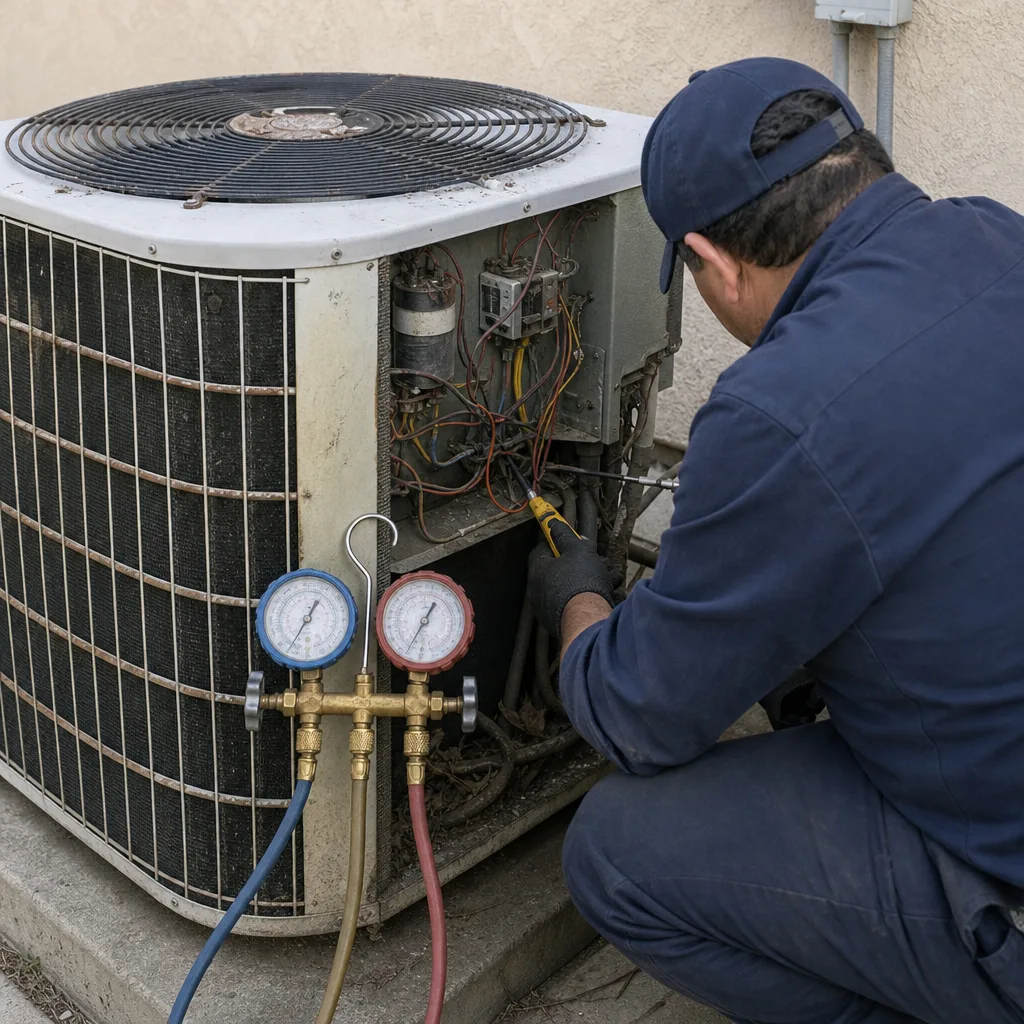 Before
 After
 Before
 After
 Before
 After